Macbeth: Shakespeare's Masterpiece of Ambition and Psychological Horror
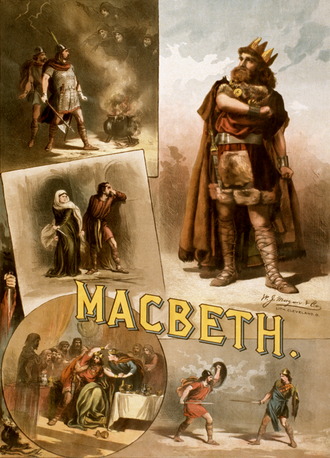
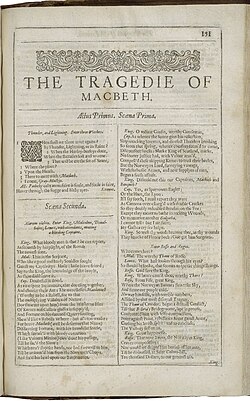
Written by William Shakespeare and first published in the 1623 First Folio by Edward Blount and William Jaggard, Macbeth stands as one of the most potent examples of Shakespearean tragedy. Set primarily in Scotland, with a brief excursion into England, the play blends political intrigue with elements of psychological horror to examine the corrosive nature of unchecked ambition.
The narrative follows the rise and fall of Macbeth, a Scottish general whose encounter with three mysterious witches sparks a deadly quest for power. As he descends into tyranny, the play explores the fragility of the human psyche and the inevitable collapse of a moral order violated by blood and betrayal.
Key Facts
- Author: William Shakespeare.
- Genre: Shakespearean tragedy and psychological horror.
- First Publication: 1623 (First Folio), London, England.
- Primary Setting: Scotland and England.
- Core Themes: Ambition, moral order, and the supernatural.
The Architecture of Tragedy
Tragedy of Character
At its heart, Macbeth is a study of a man undone by his own internal contradictions. Shakespeare uses vivid imagery to illustrate Macbeth's discomfort with his stolen power. For instance, the play describes new honors as "strange garments" that do not fit their mould. This sense of misalignment culminates in the observation that Macbeth's title hangs "loose about him, like a giant's robe upon a dwarfish thief," symbolizing his inadequacy as a rightful ruler.
Moral Order and the Supernatural
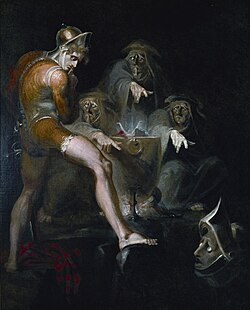
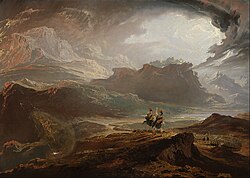
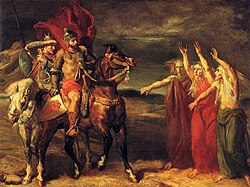
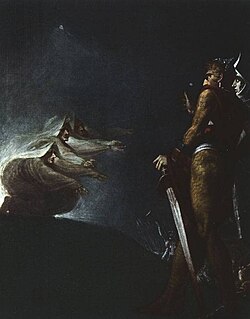
The play operates on a level of moral order, where the murder of a king is seen as a violation of nature itself. This is amplified by the presence of witchcraft and evil, embodied by the Three Witches and their queen, Hecate. These figures serve as catalysts for Macbeth's ambition, blurring the line between fate and free will.
Literary Sources and Influence
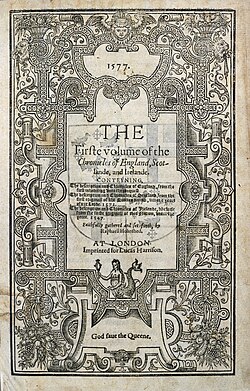
Shakespeare drew significant historical inspiration from Raphael Holinshed's Chronicles of England, Scotlande, and Irelande, first printed in 1577. While the play adapts these historical accounts, it transforms them into a poetic tragedy focused on the psychological torment of its protagonists.
Cast of Characters
![Macbeth and Banquo encountering the witches from Holinshed's Chronicles (1577)[3]](/images/aa/3d/aa3db0ba75f41567b3b35aa0e8a002b6701fa9e177353bce124c509ce6f2d0c2.gif)
The play features a complex web of Scottish nobility and supernatural entities:
- Duncan: The King of Scotland.
- Macbeth: A general whose ambition leads to regicide.
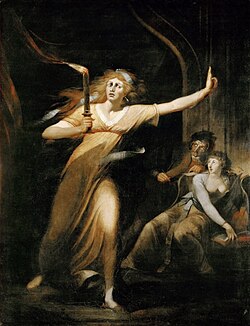
- Lady Macbeth: Macbeth's wife, who drives him toward the crown.
- Banquo: Macbeth's friend and fellow general.
- Macduff: The Thane of Fife and Macbeth's eventual nemesis.
- Malcolm and Donalbain: The sons of King Duncan.
- The Three Witches: Prophetic figures who ignite the plot.
Performance and Cultural Legacy
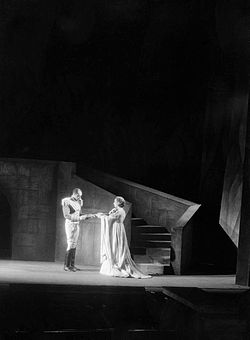
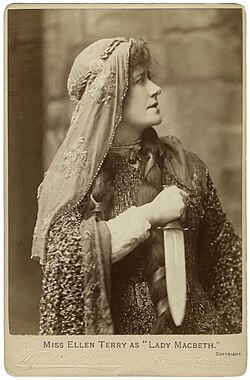
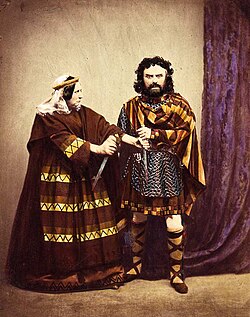
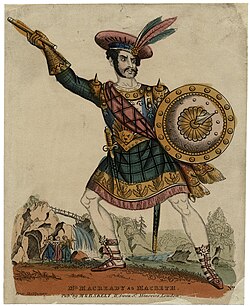
From the Jacobean era to the modern day, Macbeth has seen diverse interpretations. In the 19th century, actors like William Charles Macready and the Keans brought historically accurate costumes and dramatic intensity to the stage. The 20th century saw even more radical departures, such as the 1936 "Voodoo Macbeth" produced by the Federal Theatre Project.
Beyond the stage, the play is shrouded in superstition. Many theater professionals refer to it as "The Scottish Play," believing that speaking its name inside a theater invites bad luck—a tradition discussed by figures such as Sir Donald Sinden.
Summary of Play Details
| Attribute | Details |
|---|---|
| Publication Date | 1623 |
| Publishers | Edward Blount and William Jaggard |
| Key Locations | Scotland, England |
| Primary Source | Holinshed's Chronicles (1577) |
| Key Motifs | Blood, Sleep, Clothing, Prophecy |
Frequently Asked Questions
Why is Macbeth called "The Scottish Play"?
It is a long-standing theatrical superstition that the play is cursed. To avoid bad luck, actors and crew often avoid saying the word "Macbeth" while inside a theater.
What was the primary historical source for the play?
Shakespeare primarily used Raphael Holinshed's Chronicles of England, Scotlande, and Irelande, published in 1577, to build the historical framework of the story.
Who are the Three Witches in the play?
The Three Witches are mysterious supernatural figures who provide Macbeth with prophecies about his future, acting as the catalyst for his descent into ambition and murder.
What does the "giant's robe" metaphor mean?
The metaphor suggests that Macbeth's title as king is too large for him; he lacks the moral stature and legitimacy to fill the role, making him appear like a "dwarfish thief" in oversized clothing.
When was the play first published?
The play was first published in 1623 as part of the First Folio in London, England.