Louis XV: The Life and Reign of the Beloved King of France
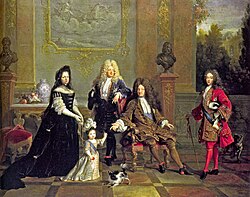
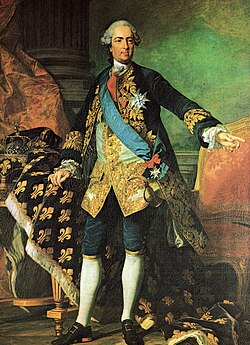
Louis XV, known as le Bien-Aimé (the Beloved), presided over France during a transformative era of the 18th century. Ascending to the throne in 1715 at the tender age of five, he succeeded his great-grandfather, Louis XIV. His reign, spanning nearly 59 years, stands as the second longest in French history, marked by a complex blend of artistic flourishing, diplomatic shifts, and significant territorial losses.
From the opulent halls of Versailles to the battlefields of Europe, Louis XV's life was defined by the tension between the absolute power of the Bourbon monarchy and the rising intellectual tide of the Enlightenment.
Key Facts
- Reign: September 1, 1715 – May 10, 1774.
- Dynasty: House of Bourbon.
- Key Territorial Changes: Incorporated Lorraine and Corsica; ceded New France to Great Britain and Spain.
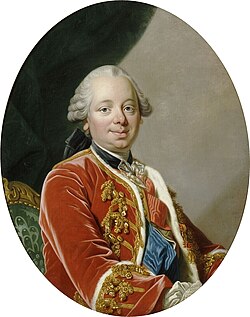
- Notable Ministers: Cardinal de Fleury and the Duke of Choiseul.
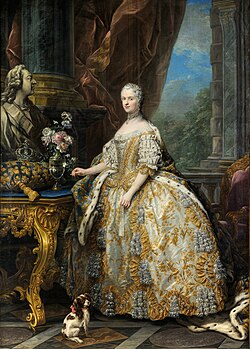
- Spouse: Marie Leszczyńska.
Early Life and the Regency
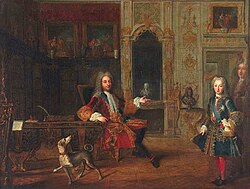
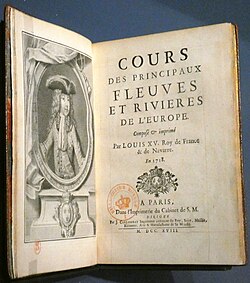
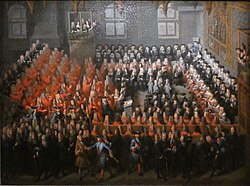
Born on February 15, 1710, as the Duke of Anjou, Louis became king as a child. Because of his age, France was governed by a Regent—a temporary ruler—his grand-uncle Philippe II, Duke of Orléans, from 1715 until 1723. During this period, the young king received a diverse education that included geography and the art of printing.
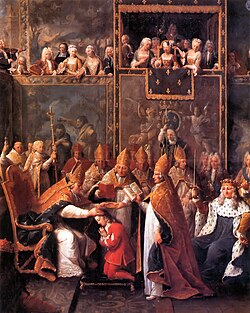
As Louis approached his thirteenth birthday, the age of majority, he moved back to Versailles to distance himself from public scrutiny. He was formally crowned at Reims Cathedral on October 25, 1722, and the regency officially ended in February 1723.
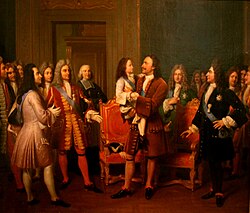
Early diplomatic encounters also shaped his youth, including a notable 1717 meeting where he was greeted by Tsar Peter the Great of Russia.
The Era of Cardinal de Fleury (1726–1743)
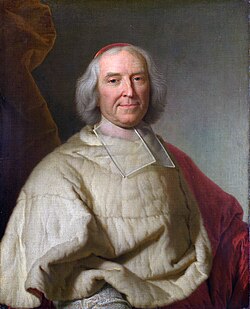
Following a brief period under the Duke of Bourbon, Louis XV appointed his preceptor, Cardinal de Fleury, as chief minister. Fleury's tenure was characterized by stability and a cautious approach to foreign relations. Under his guidance, France navigated the War of the Polish Succession and the early stages of the War of the Austrian Succession.
By 1743, upon Fleury's death, Louis XV took sole control of the kingdom, beginning a period of personal government.
Personal Government and the Influence of Mistresses
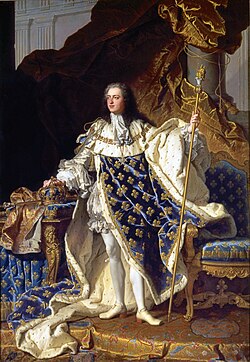
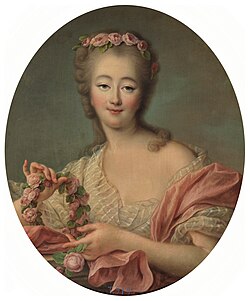
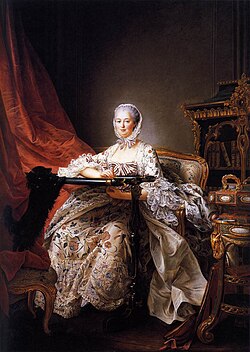
Louis XV's personal rule was heavily influenced by a series of official mistresses who often wielded significant political power. The de Mailly-Nesle sisters were among the first, followed by the highly influential Madame de Pompadour.

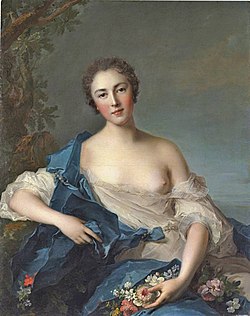
Madame de Pompadour was not merely a companion but a political advisor who recommended the appointment of the Duke of Choiseul as minister of foreign affairs in 1758. Later in his life, the king found companionship with Madame du Barry.
War, Diplomacy, and Territorial Shifts
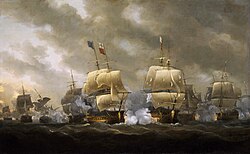
The latter half of Louis XV's reign was dominated by the Seven Years' War (1756–1763). This conflict proved disastrous for France, resulting in the loss of New France (Canada) to Great Britain and Spain.

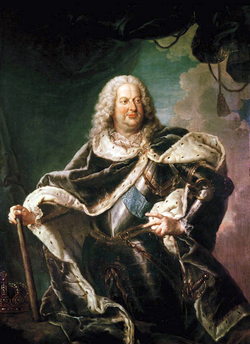
Despite these losses, the king achieved some territorial gains. Through the diplomatic efforts of the Duke of Choiseul and the death of his father-in-law, Stanisław Leszczyński, France incorporated the Duchy of Lorraine. Additionally, the Corsican Republic was integrated into the kingdom in 1768.
Religious Conflict and the Enlightenment
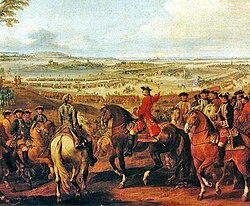
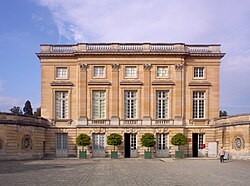
Louis XV's reign coincided with the rise of the philosophes—intellectuals of the Enlightenment who questioned traditional authority. While the king patronized the arts and architecture, such as the construction of the Petit Trianon, he struggled with religious dissent.
A major point of contention was the Jesuit Order. In 1764, under pressure from the Parlements (regional courts) and influenced by Madame de Pompadour, Louis XV ordered the suppression of the Jesuits in France, citing their independence from the French crown and church hierarchy.
Final Years and Legacy
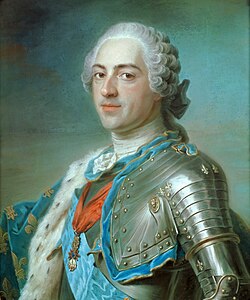
The final decade of Louis XV's life was marked by personal tragedy, including the deaths of his son (the Dauphin), his wife, and Madame de Pompadour. His later years were spent in increasing isolation at Versailles, governed by the Chancellor René de Maupeou.
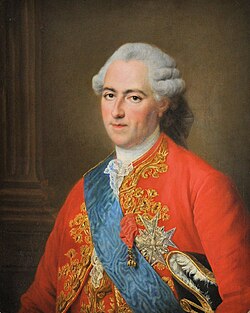
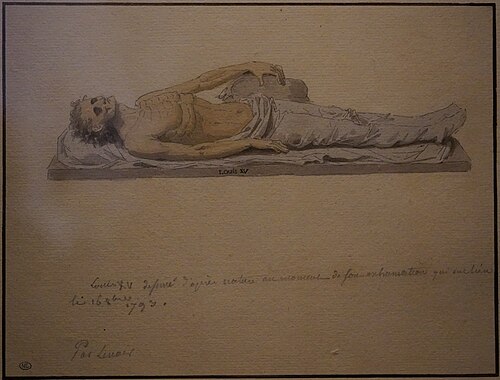
Louis XV died on May 10, 1774, at the age of 64. He was buried in the Basilica of Saint Denis, though his remains were later desecrated during the French Revolution.
| Category | Details |
|---|---|
| Duration | 1715–1774 (approx. 59 years) |
| Key Successes | Acquisition of Lorraine and Corsica; patronage of arts |
| Key Failures | Loss of New France; Seven Years' War defeats |
| Major Political Figures | Cardinal de Fleury, Duke of Choiseul, Madame de Pompadour |
| Successor | Louis XVI |
Frequently Asked Questions




Who was the regent for Louis XV?
Because Louis XV ascended the throne at age five, his grand-uncle, Philippe II, Duke of Orléans, served as the Regent of France from 1715 until 1723.
What was the significance of the Seven Years' War for Louis XV?
The war was a major turning point that resulted in the loss of New France in North America to Great Britain and Spain, significantly diminishing France's colonial empire.
Who was Madame de Pompadour?
Madame de Pompadour was the official mistress of Louis XV and a powerful political figure who influenced government appointments, including the rise of the Duke of Choiseul.
Why were the Jesuits suppressed in France?
The Jesuits were suppressed in 1764 because they were perceived as being too independent of the French King's authority and the local church hierarchy.
How long did Louis XV reign?
Louis XV reigned for nearly 59 years, from September 1, 1715, until his death on May 10, 1774, making it the second-longest reign in French history.