Life on Earth: From Biological Foundations to Evolutionary History
Life is a complex, self-sustaining phenomenon that has existed on Earth for approximately 3.77 billion years. From the simplest single-celled organisms to the intricate systems of multicellular animals, life is characterized by its ability to evolve, adapt, and maintain internal stability. While biology provides the scientific framework for studying these organisms, the definition of life itself remains a subject of deep philosophical and scientific inquiry.
Key Facts
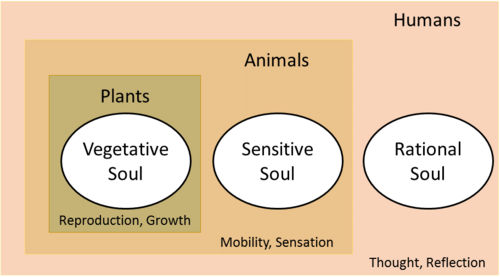
- Temporal Range: Life has existed on Earth from roughly 3770 million years ago to the present.
- Core Components: Most known life is carbon-based and relies on DNA as the primary genetic blueprint.
- Cellular Basis: The cell is the fundamental structural and functional unit of all cellular life.
- Diversity: Life is categorized into three primary domains: Archaea, Bacteria, and Eukaryota.
- Resilience: Extremophiles can survive in conditions previously thought uninhabitable, including deep-ocean subsurfaces and high-radiation environments.
The Biological Classification of Life
The system for classifying life has evolved significantly since the original Linnaean system of 1735. Early models relied on a few kingdoms, but as our understanding of genetics and cellular structure grew, the classification became more nuanced.
The Three-Domain System
Modern science generally recognizes three primary domains of cellular life:
- Bacteria: Single-celled prokaryotes (organisms lacking a distinct nucleus).
- Archaea: Prokaryotes that often inhabit extreme environments and differ genetically from bacteria.
- Eukaryota: Organisms with complex cells containing a nucleus, including plants, animals, fungi, and protists.
Non-Cellular Life
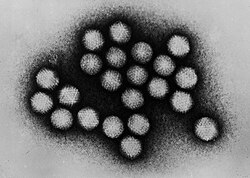
Viruses occupy a contentious space in biological classification. Because they lack a cellular structure and cannot reproduce independently, they are often categorized as non-cellular life.
The Mechanics of Living Systems
At its most basic level, life is defined by its chemical composition and structural organization. The central dogma of molecular biology describes the flow of genetic information from DNA to RNA to protein, which allows organisms to function and reproduce.
The Role of the Cell
The cell is the smallest unit of life capable of performing all necessary biological functions. Multicellular organisms evolved from these single-celled ancestors, allowing for specialized tissues and organs.
Environmental Tolerance and Extremophiles
The biosphere—the global sum of all ecosystems—extends from the depths of the ocean to the high atmosphere. Some organisms, known as extremophiles, thrive in conditions that would be lethal to most life.
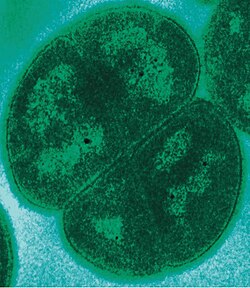
![Deinococcus geothermalis, a bacterium that thrives in geothermal springs and deep ocean subsurfaces[100]](/images/9d/b0/9db0f1116aa38c4c869372858f78aa823ff5274a4c188fd807b493054a69c1b9.jpg)
For example, Deinococcus radiodurans is renowned for its ability to withstand extreme cold, dehydration, vacuum, acid, and intense radiation exposure.
Evolution and the History of Life
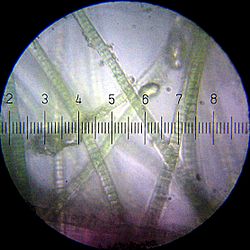
The history of life is a narrative of adaptation and extinction. Early life forms, such as cyanobacteria, fundamentally altered the Earth's atmosphere by producing oxygen, which led to the near-extinction of organisms that could not tolerate it.
Over eons, life transitioned from simple prokaryotes to complex eukaryotes. This progression is documented through fossils, which provide a physical record of extinct species and the evolutionary transitions that led to modern biodiversity.
When life ends, the process of death ensures that nutrients are returned to the ecosystem. The recycling of organic matter allows energy to flow back into the biosphere, supporting new generations of living organisms.
Summary of Life Classification Evolution
| Scientist/Year | Classification Level | Key Groups/Kingdoms |
|---|---|---|
| Linnaeus (1735) | 2 Kingdoms | Vegetabilia, Animalia |
| Haeckel (1866) | 3 Kingdoms | Protista, Vegetabilia, Animalia |
| Whittaker (1969) | 5 Kingdoms | Monera, Protista, Fungi, Plantae, Animalia |
| Woese et al. (1990) | 3 Domains | Bacteria, Archaea, Eucarya |
| Cavalier-Smith (2015) | 2 Empires | Prokaryota, Eukaryota |
Frequently Asked Questions
Are viruses considered alive?
This is a subject of ongoing scientific debate. While viruses possess genetic material and evolve, they are non-cellular and cannot carry out metabolic processes or reproduce without a host cell, leading many to classify them as non-cellular life.
What are extremophiles?
Extremophiles are organisms that thrive in environments with conditions that are extreme relative to humans, such as extreme temperature, pH, salinity, or radiation levels.
How did cyanobacteria change Earth?
Cyanobacteria were among the first organisms to produce oxygen through photosynthesis. This dramatically changed the composition of the atmosphere and led to the near-extinction of oxygen-intolerant anaerobic organisms.
What is the difference between prokaryotes and eukaryotes?
Prokaryotes (Bacteria and Archaea) lack a membrane-bound nucleus and other organelles. Eukaryotes (Plants, Animals, Fungi) have a distinct nucleus that houses their DNA and specialized organelles to perform cellular functions.
What is the temporal range of life on Earth?
Scientific evidence suggests that life on Earth began approximately 3.77 billion years ago and continues to the present day.