Lentibulariaceae: The Evolution and Diversity of Carnivorous Plants
The Lentibulariaceae is a fascinating family of carnivorous plants known for their specialized ability to trap and digest prey. Belonging to the order Lamiales, this family comprises three distinct genera that have adapted to survive in nutrient-poor environments by supplementing their diet with insects and other small organisms.
Key Facts
- Contains three primary genera: Genlisea, Pinguicula, and Utricularia.
- Carnivory evolved independently in this lineage as part of six different plant orders.
- The family was previously placed in Scrophulariales before being merged into Lamiales.
- Evolutionary evidence suggests the most recent common ancestor (MRCA) was a terrestrial plant with a basal rosette of flat leaves.
- Carnivory likely began as a defense mechanism using proteinase mucilage.
Classification and Genera
The Lentibulariaceae family is categorized under the clade of Angiosperms (flowering plants) and Eudicots. While the family was once thought to be larger, current botanical consensus recognizes three main genera:
- Genlisea: Commonly known as the corkscrew plants.
- Pinguicula: Commonly known as the butterworts.
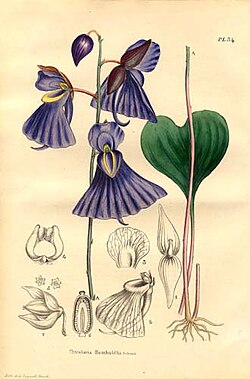
- Utricularia: Commonly known as the bladderworts.
Historically, the genera Polypompholyx (pink petticoats or fairy aprons) and Biovularia were considered separate members of the family. However, Biovularia has since been subsumed into Utricularia, and Polypompholyx is now classified as a subgenus of Utricularia.
The Evolution of Carnivory
Carnivory is a rare trait that evolved independently across five major angiosperm lineages and six orders, including Poales, Caryophyllales, Oxalidales, Ericales, Alismatales, and Lamiales. In the case of the Lentibulariaceae, the path to carnivory is linked to a specific biological adaptation: the secretion of proteinase mucilage (a sticky, protein-digesting substance) through the leaf surfaces.
From Defense to Nutrition
Originally, this mucilage served as a defense mechanism to prevent insect predation by trapping and degrading harmful insects. Research indicates that these glands can transition from secreting substances to absorbing them. It is believed that the most recent common ancestor (MRCA) of the Lentibulariaceae developed these absorptive glands, allowing the plant to take in macronutrients from trapped insects.
This evolutionary shift provided a significant advantage for plants living in low-nutrient habitats, increasing their overall fitness and leading to the full embrace of carnivory. Phylogenetic data further confirms that Pinguicula is the sister group to the other two genera, Genlisea and Utricularia.
Summary of Lentibulariaceae Characteristics
| Genus | Common Name | Key Evolutionary Trait |
|---|---|---|
| Genlisea | Corkscrew plants | Specialized traps for soil organisms |
| Pinguicula | Butterworts | Sticky leaf surfaces (sister to other genera) |
| Utricularia | Bladderworts | Suction bladders (includes former Biovularia) |
Frequently Asked Questions
Which genera are included in the Lentibulariaceae family?
The family consists of three genera: Genlisea (corkscrew plants), Pinguicula (butterworts), and Utricularia (bladderworts).
How did carnivory evolve in these plants?
It likely evolved from the secretion of proteinase mucilage, which was originally used for defense. Over time, these glands shifted from secretion to absorption, allowing the plants to gain nutrients from trapped insects.
What was the most recent common ancestor (MRCA) of this family like?
Evidence suggests the MRCA was a terrestrial plant featuring a primary root and a basal rosette composed of flat leaves.
Is the Lentibulariaceae family still classified under Scrophulariales?
No, the family was previously placed in Scrophulariales, but under the Angiosperm Phylogeny Group system, it has been merged into the order Lamiales.
What happened to the genus Polypompholyx?
Polypompholyx, known as pink petticoats or fairy aprons, is no longer a separate genus and has been relegated to a subgenus of Utricularia.