Leaf Morphology and Anatomy: The Science of Plant Foliage
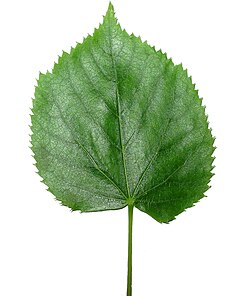
In the complex shoot system of a vascular plant, the leaf serves as a primary appendage of the stem. While the stem, flowers, and fruit work together to ensure survival, the leaves are specialized organs primarily dedicated to photosynthesis—the process of converting light energy into chemical energy. Collectively, these structures are referred to as foliage.
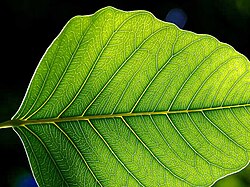
Most leaves are flattened and possess distinct surfaces: the adaxial (upper) side and the abaxial (lower) side. These surfaces often differ in color, hairiness, and the density of pores. The vibrant green color characteristic of most foliage is due to chlorophyll, a compound essential for absorbing sunlight. In some instances, leaves may exhibit variegation, displaying lighter-colored or white patches and edges.
Key Facts
- Leaves are the primary sites for photosynthesis in vascular plants.
- Stomata are microscopic pores used for gas exchange (CO2, O2, and water vapor).
- The mesophyll is the internal tissue where most photosynthesis occurs.
- Leaf color is largely determined by the presence of chlorophyll.
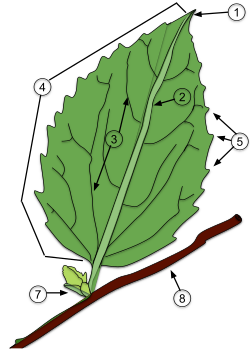
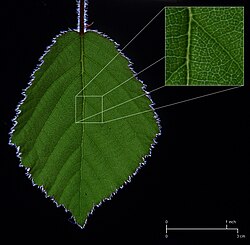
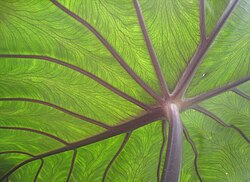
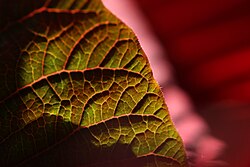
- Venation patterns, or the arrangement of veins, are critical for nutrient transport and structural support.
Internal Leaf Anatomy
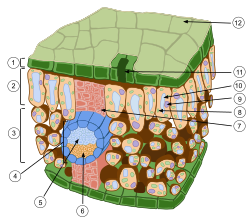
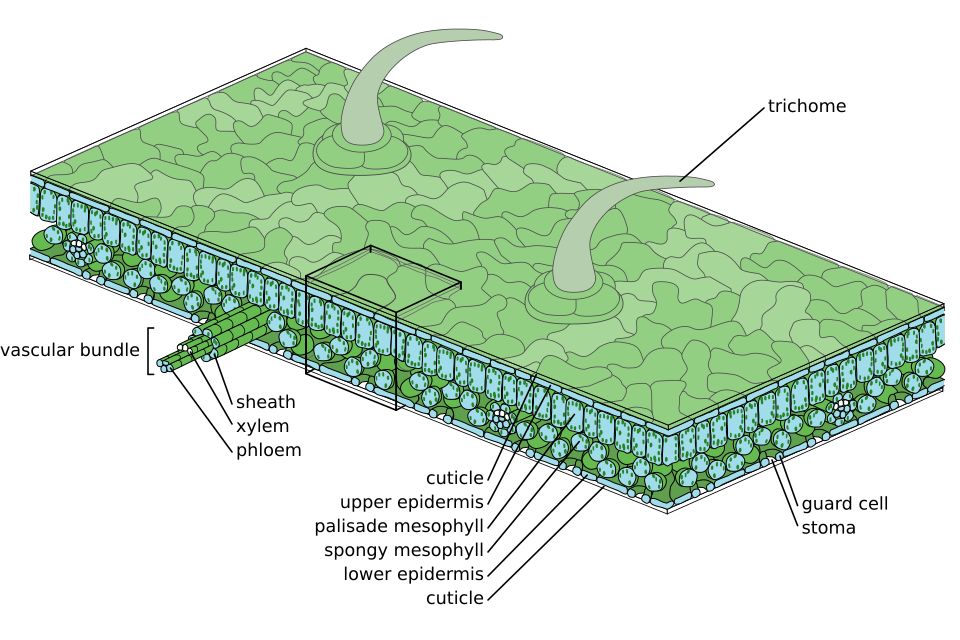
The internal organization of a leaf is a masterpiece of evolutionary engineering, designed to maximize light exposure and CO2 absorption while minimizing water loss. The surface is protected by a waterproof cuticle.
Microscopic Structures and Gas Exchange
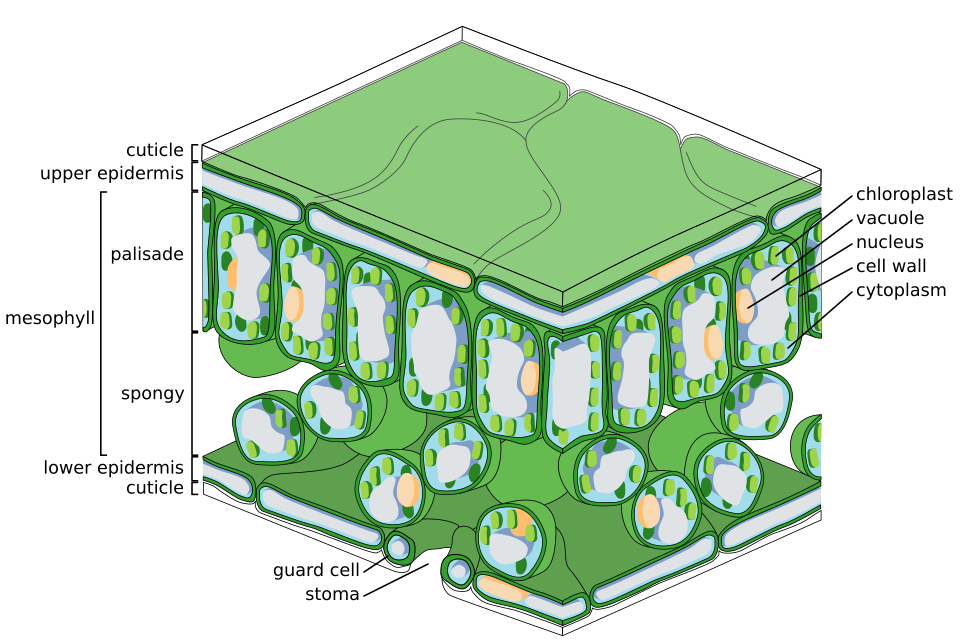
To regulate the movement of gases, leaves utilize stomata. These minute openings, often measuring only tens of micrometers, are controlled by a pair of guard cells. By adjusting their turgor pressure (the pressure of water against the cell wall), these cells open or close the stomatal aperture. Depending on the species, a single square centimeter of a leaf may contain anywhere from 1,000 to 100,000 stomata.
Tissue Layers: Epidermis and Mesophyll
A leaf is composed of several major tissue systems. The epidermis forms the outer protective layer on both the upper and lower surfaces. Beneath this lies the mesophyll, also known as chlorenchyma, which consists of photosynthetic cells packed with chloroplasts (the organelles where photosynthesis takes place).
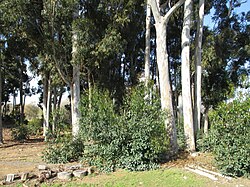
In many ferns and flowering plants, the mesophyll is organized into two distinct layers: the palisade mesophyll, located near the upper surface to capture maximum light, and the spongy mesophyll, which facilitates gas exchange. However, in some species like certain Eucalyptus, the palisade mesophyll is present on both sides, making the leaves isobilateral.
Vascular Tissue: Xylem and Phloem
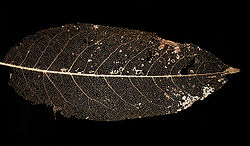
The veins of a leaf are composed of vascular tissue, which provides both structural support and a transport network. The xylem conducts water and minerals, while the phloem distributes the sugars produced during photosynthesis. These veins often contain lignin, a substance that makes them harder for microorganisms to degrade.
Morphology and Arrangement
Botanists use specific terminology to describe the diverse shapes, edges, and arrangements of leaves. The way leaves are positioned on a stem can vary significantly between species.
Stem Arrangement
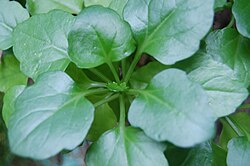
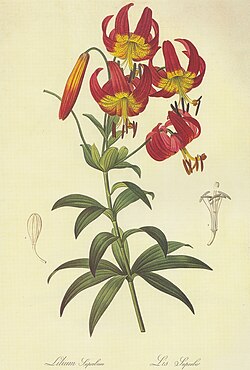
Leaves can be arranged in several patterns:
- Alternate: One leaf per node, alternating sides.
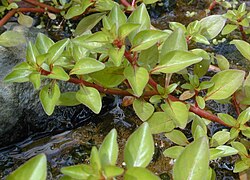
- Opposite: Two leaves positioned directly across from each other at a node.
- Decussate: Opposite pairs where each successive pair is at a right angle to the previous one.
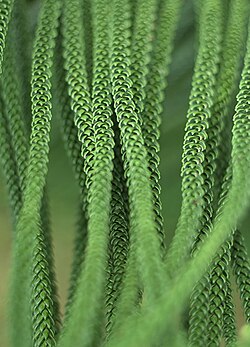
- Whorled (Verticillate): Three or more leaves radiating from a single node.
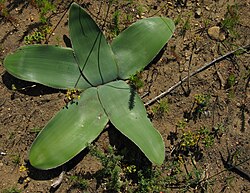
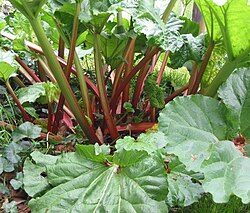
- Basal: Leaves growing from the base of the plant.
Leaf Shapes and Margins
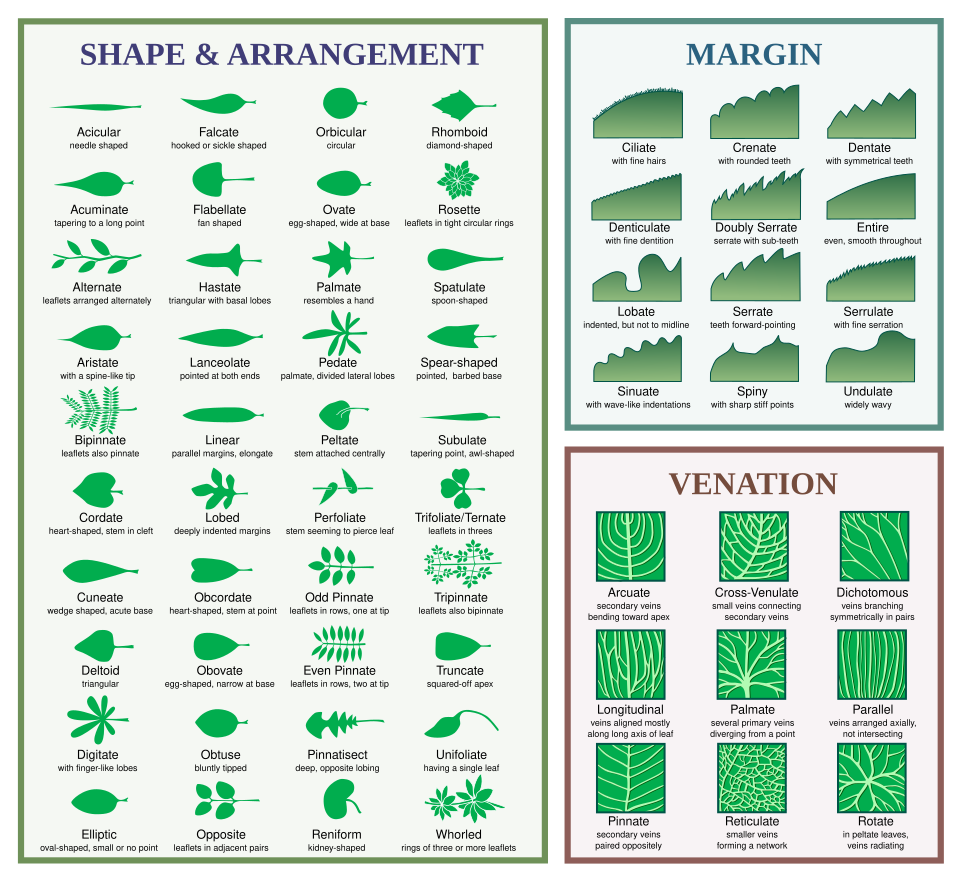
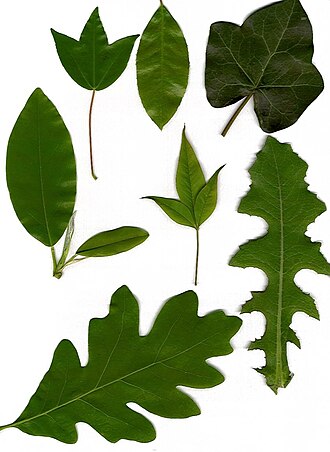
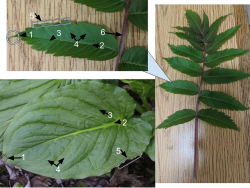
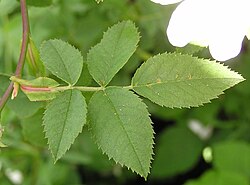
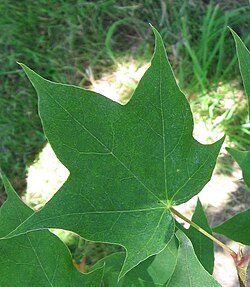
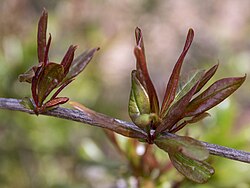
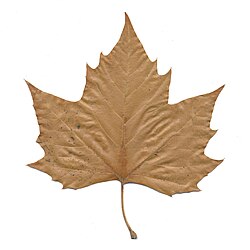
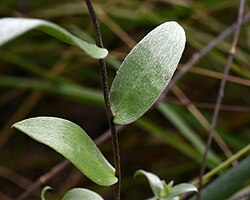
The lamina (or blade) of a leaf can be simple or compound. Compound leaves are divided into smaller units called leaflets. These divisions can be pinnate (feather-like) or palmate (fan-like). The edges, or margins, also vary, ranging from entire (smooth) to serrate (saw-toothed) or dentate (toothed).
Venation Patterns
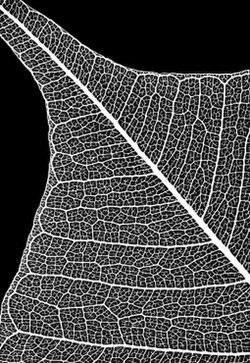
The arrangement of veins, known as venation, is a key identifying feature. Common patterns include:
- Parallel: Veins run alongside each other, common in many monocots.
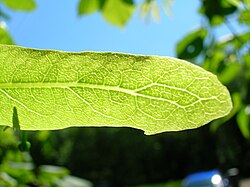
- Pinnate: A single midvein with secondary veins branching off like a feather.
- Palmate: Several main veins radiating from a single point at the base.
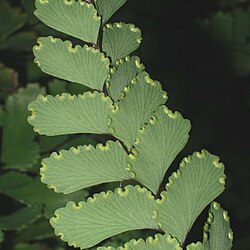
- Dichotomous: Veins that fork repeatedly into two.

Summary of Leaf Characteristics
![Citrus leaves with translucent glands[16]](/images/6d/8b/6d8b8a6a764db1811518660dfa27cdf3693062268e9939ca353e32512ae4f033.jpg)
| Feature | Description | Function/Example |
|---|---|---|
| Stomata | Microscopic pores | Gas exchange and transpiration |
| Chlorophyll | Green pigment | Light absorption for photosynthesis |
| Cuticle | Waxy outer layer | Waterproofing the leaf surface |
| Xylem | Vascular tissue | Transporting water and minerals |
| Phloem | Vascular tissue | Transporting sugars/nutrients |
Frequently Asked Questions
What is the difference between a simple and a compound leaf?
A simple leaf consists of a single, undivided blade. A compound leaf has a blade that is divided into multiple distinct leaflets.
Why are most leaves green?
Most leaves are green because they contain chlorophyll, a pigment that absorbs light energy for photosynthesis and reflects green light.
What are trichomes?
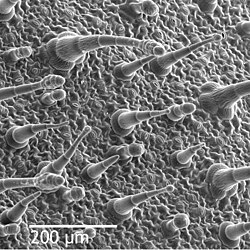
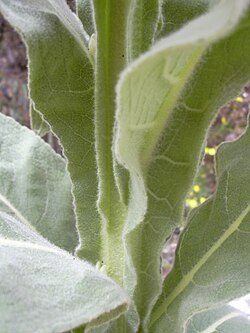
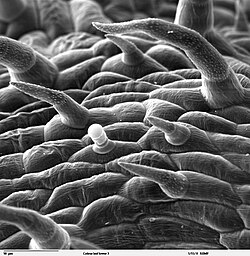
Trichomes are hair-like appendages found on the surface of leaves. They can serve various functions, such as protection or reducing water loss.
How do leaves breathe?
Leaves exchange gases through tiny pores called stomata. These pores allow carbon dioxide to enter for photosynthesis and oxygen and water vapor to exit.
What does it mean if a leaf is variegated?
A variegated leaf is one that has patches or edges of different colors, such as white or light yellow, rather than being a solid color.