Lazarus Taxa: The Fascinating Science of Rediscovered Species
In the study of life on Earth, few phenomena are as captivating as the return of a species thought to be lost forever. In paleontology and conservation biology, this occurrence is known as a Lazarus taxon (plural: taxa). Named after the biblical figure Lazarus, whom Jesus Christ raised from the dead, these are species that disappear from the fossil record or human observation for a significant period, only to reappear later as living organisms or in newer fossil layers.
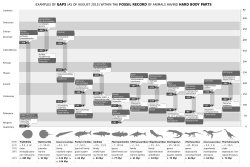
The term was formally coined by Karl W. Flessa and David Jablonski in 1983 and further expanded by Jablonski in 1986. These "ghost lineages" often survive in isolated, obscure, or highly specialized habitats that evade the notice of scientists. As Paul Wignall and Michael Benton noted, during biotic crises, some taxa do not actually go extinct but simply vanish from the fossil record—sometimes for millions of years—before reappearing unchanged.
Key Facts
- Definition: A taxon that disappears from the fossil record or known sightings, only to be rediscovered later.
- Origins: The term was established in the 1980s by researchers Flessa and Jablonski.
- Causes: Gaps in the fossil record or the survival of species in remote, specialized environments.
- Scope: Includes everything from ancient prehistoric lineages to modern species on the IUCN Red List.
Ancient Returns: Reappearing Fossil Taxa

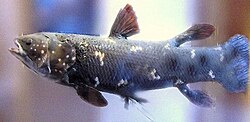
Some Lazarus taxa bridge gaps of millions of years, challenging our understanding of evolutionary timelines. These species were known only through fossils until living descendants were found.
Prehistoric Lineages
- Cretaceous to Modern: The Alavesia, a genus of Atelestid fly, was known from 100-million-year-old amber before living specimens were found in Namibia in 2010.
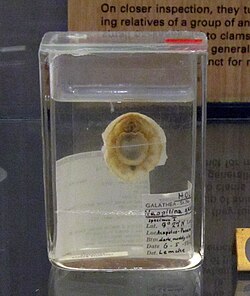
- Paleogene to Modern: Pelican spiders (Archaeidae) were first described from Eocene amber in the 1840s; living specimens were later discovered in Madagascar in 1881.
- Neogene to Modern: The Nightcap oak (Eidothea) was known only from fossils 15 to 20 million years old until the species were recognized in 1995 and 2000.
Quaternary Rediscoveries
More recent examples include the False killer whale (Pseudorca crassidens), described from a 126,000-year-old skull in 1843, but not seen alive until 1861. Similarly, the Bush dog (Speothos venaticus) was first described as extinct based on Brazilian cave fossils in 1842, only for living specimens to be described a year later under a different genus name.
Modern Miracles: IUCN Red List Rediscoveries
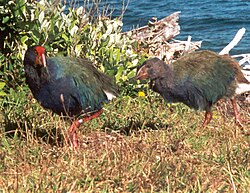
In conservation biology, a Lazarus taxon refers to a population mistakenly declared extinct. These rediscoveries often provide a second chance for conservation efforts.
Mammals and Birds
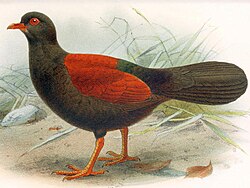
The Vietnam mouse-deer (Tragulus versicolor) was not seen for nearly 30 years after 1990 until camera traps captured images in 2019. In the avian world, the White-tailed tityra (Tityra leucura) vanished in 1829 and was rediscovered nearly 200 years later in 2006.
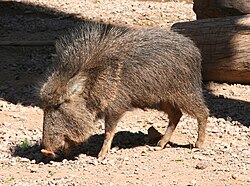
Other notable mammal returns include the Philippine naked-backed fruit bat, declared extinct by the IUCN in 1996 but found alive in 2000, and the Machu Picchu arboreal chinchilla rat, believed extinct since the 1500s until its 2009 rediscovery.
Insects and Invertebrates
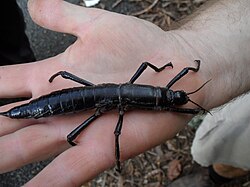
The insect world has seen dramatic returns, such as Wallace's giant bee (Megachile pluto), the world's largest bee. After disappearing in 1858, it was rediscovered in 1981, thought extinct again, and finally confirmed in 2019. Other examples include the Lord Howe Island stick insect and the Amani flatwing damselfly.
Plants, Fungi, and Marine Life
Botanical rediscoveries include the Waterfall fountainbush, known from a single 1804 specimen and found again in 2019. In the oceans, Wellington's solitary coral was thought extinct after the 1982-83 El Niño events but was rediscovered in 2024.

Summary of Notable Lazarus Taxa
| Species Name | Group | Last Seen/Known From | Rediscovery Year |
|---|---|---|---|
| Wallace's Giant Bee | Insect | 1858 | 1981 / 2019 |
| White-tailed Tityra | Bird | 1829 | 2006 |
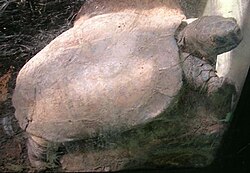
| Fernandina Island Tortoise | Reptile | 1906 (Single male) | 2019 |
| Alavesia (Fly) | Insect | 100mya (Amber) | 2010 |
| Vietnam Mouse-deer | Mammal | 1990 | 2019 |
Frequently Asked Questions
What is the difference between a Lazarus taxon and a living fossil?
While both terms describe ancient lineages, a Lazarus taxon specifically refers to a group that disappeared from the record and then reappeared. A living fossil is a species that has remained relatively unchanged over millions of years without necessarily having a period of presumed extinction.
Why do species disappear from the fossil record?
The fossil record is sporadic. Many species may not have lived in environments conducive to fossilization, or their remains may have been destroyed over time, creating a gap that makes them appear extinct when they were actually surviving in small, isolated populations.
Can a species be a Lazarus taxon more than once?
Yes. Some species, such as the Urich's tyrannulet or Wallace's giant bee, have been rediscovered, disappeared again, and then been found a second or third time.
How are these species usually rediscovered?
Rediscoveries often happen through field surveys in remote habitats, the use of modern technology like camera traps, or citizen science contributions via platforms like iNaturalist.
Does a rediscovery mean the species is no longer endangered?
Not necessarily. Many Lazarus taxa, such as the Amani flatwing, remain on the IUCN's list of the most endangered species in the world even after their rediscovery.