Endemism: The Science of Species Found Nowhere Else
In the vast tapestry of life on Earth, most organisms share their homes across continents and oceans. However, there is a unique group of organisms that exist in only one specific place. This biological phenomenon is known as endemism. When a species is found exclusively within a defined geographic area—such as a single island, a specific mountain range, or a particular country—it is described as endemic to that location.
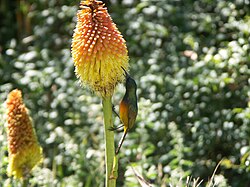
It is important to distinguish between being indigenous and being endemic. While an indigenous species is native to a region, it is only considered endemic if it is not found anywhere else in the world. For instance, the Cape sugarbird is endemic to southwestern South Africa because its entire existence is tied to that specific corner of the globe.
Why Endemism Matters in Science
Endemism is a cornerstone concept in two major scientific fields: conservation biology and evolutionary biology.
Measuring Biodiversity and Extinction Risk
For conservationists, endemism serves as a vital metric for measuring biodiversity. Because endemic species are restricted to small ranges, they are often much more vulnerable to environmental changes. If their specific habitat is destroyed, the entire species may face extinction. This makes identifying areas with high concentrations of endemic species a priority for global preservation efforts.
Clues to Evolutionary History
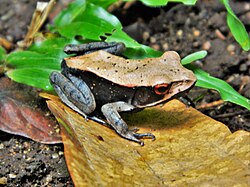
In evolutionary biology, endemic species act as living records. They provide researchers with clues about how environmental shifts cause species to undergo range shifts, diversify into new forms, or face extinction. By studying how a species became isolated, scientists can better understand the historical movement of life across the planet.
The Origins of Endemic Species
How does a species become restricted to a single location? Several biological and environmental factors play a role:
- Low Dispersal Rates: Some organisms simply do not travel far from their birthplace.
- Philopatry: This is the tendency of an organism to return to its specific spawning or breeding area, limiting its spread.
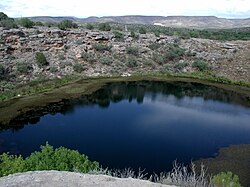
- Geographic Isolation: Islands, mountains, and deep sinkholes create natural barriers that prevent species from interacting with outside populations.
For example, cichlid fish in the East African Rift Lakes have diversified into numerous endemic species due to these isolation factors. Similarly, plants on isolated islands often arrive via bird dispersal but then evolve in isolation. While birds are highly mobile, over 2,500 species are still considered endemic, defined as being restricted to an area of less than five million hectares.
Interestingly, the concept of endemism has historically been debated regarding microorganisms. The "everything is everywhere" hypothesis suggests that organisms smaller than 2 mm may actually have a cosmopolitan distribution (a widespread, global range) rather than being endemic, provided the right habitats exist.
Classifying Endemic Taxa
Biologists use various terms to categorize the different ways species become endemic. These classifications often relate to how long a species has been isolated or its genetic makeup.
Neoendemics and Paleoendemics
In 1965, researchers introduced terms to describe the age and nature of endemism:
- Neoendemics: Relatively recently evolved species. This group includes schizoendemics (species that are reproductively isolated but maintain the same chromosome count as their parents), apoendemics (polyploid species), and patroendemics (species with lower chromosome counts).
- Paleoendemics: Ancient species that have remained in a restricted distribution for a very long time.
Other specialized terms include aneuendemics, which refers to species with abnormal chromosome numbers, and pseudoendemics, which may have evolved recently from a mutation.
Endemism Hotspots and Conservation
Because endemic species are so localized, certain regions of the world are much more critical for conservation than others. In 1973, Paul Müller proposed the idea of endemism hotspots. To qualify as a hotspot, a region must have accurately mapped species distributions and relatively small ranges.
Building on this, in 2000, researchers identified 25 global biodiversity hotspots. These are areas that contain more than 0.5% of the world's plant species as endemics, marking them as high-priority zones for protecting the planet's biological heritage.
Protecting these areas is essential, as the loss of a single habitat can mean the permanent loss of unique evolutionary lineages.
Summary of Endemism Concepts
| Term | Definition | Key Characteristic |
|---|---|---|
| Endemic | Found only in one specific area | High extinction risk |
| Cosmopolitan | Widespread or global distribution | Low extinction risk from local habitat loss |
| Neoendemic | Recently evolved endemic | Often part of active diversification |
| Paleoendemic | Ancient endemic | Evolutionary relicts |
Frequently Asked Questions
What is the difference between endemic and indigenous?
An indigenous species is native to a specific area, but it might also be found in other parts of the world. An endemic species is native to an area and is found nowhere else.
What are biodiversity hotspots?
Biodiversity hotspots are geographical areas that are exceptionally rich in endemic species. Specifically, a region is often designated a hotspot if it contains more than 0.5% of the world's plant species as endemics.
Why are endemic species at higher risk of extinction?
Because they are restricted to very small geographic ranges, any localized threat—such as habitat destruction, climate change, or disease—can impact the entire population of the species at once.
Can animals be endemic?
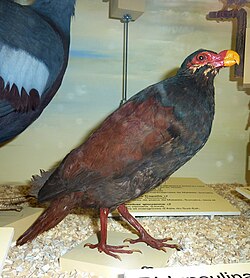
Yes. Endemism applies to all life forms, including animals (like the Tooth-billed pigeon in Samoa), plants, fungi, and even microorganisms.
What does "cosmopolitan distribution" mean?
This is the opposite of endemism. A cosmopolitan species is one that has a very wide, often global, range and can be found in many different parts of the world.