Law School of Berytus: The Ancient Mother of Laws
Long before the modern era, Beirut was recognized as a premier global center for legal scholarship. Known in antiquity as Berytus, the city hosted a prestigious law school that shaped the legal foundations of the Roman and Byzantine Empires. This institution was so influential that it earned the city the title Berytus Nutrix Legum, meaning "Beirut, Mother of Laws."
The school's legacy is not merely a matter of local pride; it is woven into the very fabric of Western jurisprudence. From the classrooms of Berytus to the courts of modern Europe and the Americas, the teachings and compilations associated with this institution provided the blueprint for civil law as we know it today.
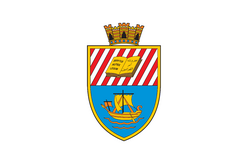
Key Facts
- Official Title: Known as the Law School of Berytus.
- Location: Situated in Beirut, Lebanon (ancient Colonia Julia Augusta Felix).
- Peak Era: The 5th century AD, featuring the "Ecumenical Masters."
- Catastrophic End: Devastated by a massive earthquake and tsunami in AD 551.
- Global Impact: Contributed to the Corpus Juris Civilis, the basis for much of Western civil law.
Origins and Historical Debate
The exact date of the school's founding remains a subject of scholarly debate, as early written records are scarce. The first written mention appears in the works of Gregory Thaumaturgus, the bishop of Neo-Caesarea, who identified Beirut as a major center for legal study.
Historians have proposed various theories regarding its inception. Some suggest it was founded by Emperor Augustus or shortly after the Battle of Actium in 31 BC. Others point to the reign of Hadrian or suggest that the locally born Emperor Alexander Severus (reigned AD 222–235) directed its establishment. Regardless of the exact date, by the 4th century, the school was already a cornerstone of imperial education.
The Golden Age: The Ecumenical Masters
The most brilliant period of the school occurred between AD 400 and 500. This era was defined by the Ecumenical Masters (Greek: τῆς οἰκουμένης διδάσκαλοι), a group of seven highly esteemed professors who revived legal education across the Eastern Roman Empire.
The Seven Revered Masters
These scholars were praised for their rigor and depth of knowledge. Among them were:
- Cyrillus: The founder of the ecumenical school, known for his direct use of ancient sources and interpretations of jurists like Ulpian and Papinian.
- Patricius: A distinguished professor praised in the Justinian Digest.
- Leontius: The son of Eudoxius, who later served as Praetorian prefect of the East and helped prepare the first codex of Justinian.
- Domninus, Demosthenes, Eudoxius, and Amblichus: Other key figures who maintained the school's prestige.
Notable Students and Influence
The school attracted students from across the empire. Zacharias Rhetor studied there between 487 and 492 AD before becoming the bishop of Mytilene. Another notable student was Severus, the last miaphysite patriarch of Antioch and a founder of the Syriac Orthodox Church.
The Fall of Berytus
The school's dominance came to a violent end on July 9, 551 AD. A high-magnitude earthquake struck the coastal cities of Phoenicia Maritima, followed by a devastating tsunami and fire. The disaster claimed 30,000 lives, including many international students.
Emperor Justinian I attempted to salvage the institution by allocating funds for reconstruction and temporarily moving the school to Sidon. However, the most talented professors migrated to Constantinople. A second massive fire in AD 560 further crippled the city, and the school never reopened. The final remnants of its influence in the region vanished following the Arab conquest in 635 AD.
Legacy and Global Legal Impact
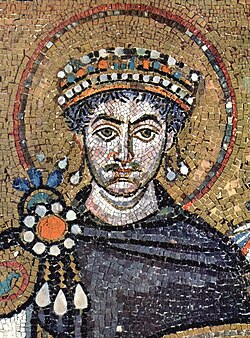
Despite the physical destruction of the school, its intellectual output lived on through the Corpus Juris Civilis (Body of Civil Law), a massive compilation of laws instigated by Emperor Justinian I.
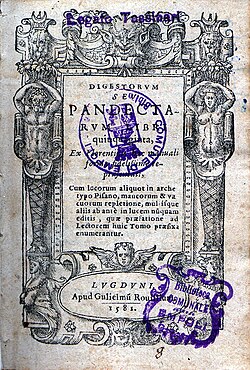
This legal framework evolved over centuries:
- Byzantine Evolution: The laws were later adapted into the Ekloge (AD 741) to align with Christian values and eventually the Basilika around AD 900, which served as the ancestor of modern Greek law.
- Western Rediscovery: In 1070, a copy of the Justinian Digest was rediscovered in Italy. Irnerius began teaching it in Bologna in 1088, sparking a revival of Roman law.
- European Spread: These concepts spread to France, Germany, and the Netherlands, influencing the legal systems of European states and their American colonies until the early 20th century.
Archaeological Site and Location
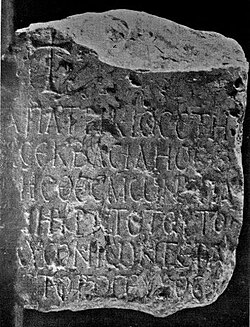
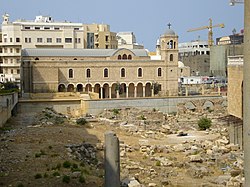
The exact site of the law school has not been fully excavated, but it is believed to have been located just north of Nejmeh Square, adjacent to the Saint George Greek Orthodox Cathedral. Archaeological efforts in the early 20th century uncovered a funerary stele for the professor Patricius, confirming the school's presence in the area. In 1994, excavations beneath the cathedral identified structural elements of the Anastasis church, a precursor to the current cathedral, but the school itself remains interred.
| Feature | Details |
|---|---|
| Location | Beirut, Lebanon (Ancient Berytus) |
| Key Figures | Justinian I, Cyrillus, Patricius, Leontius |
| Major Contribution | Foundational influence on the Corpus Juris Civilis |
| Date of Destruction | AD 551 (Earthquake/Tsunami) |
| Modern Legacy | Basis for Civil Law in Europe and the Americas |
Frequently Asked Questions
Why was Beirut called the "Mother of Laws"?
Beirut earned the title Berytus Nutrix Legum because it hosted one of the most prestigious law schools of the Roman Empire, producing the jurists and legal scholars who shaped imperial law.
Who were the Ecumenical Masters?
The Ecumenical Masters were a group of seven renowned law professors—including Cyrillus and Patricius—who taught in Beirut between AD 400 and 500 and were responsible for reviving legal education in the Eastern Roman Empire.
What caused the closure of the law school?
The school was effectively destroyed by a catastrophic earthquake, tsunami, and fire in AD 551. While there were attempts to relocate it to Sidon, the best teachers moved to Constantinople, and a subsequent fire in AD 560 prevented its reopening.
How did the school influence modern law?
The school's scholarship contributed to the Corpus Juris Civilis. After being rediscovered in Italy in the 11th century, these Roman legal principles were taught at the University of Bologna and spread across Europe, forming the basis of the civil law tradition.
Has the school's site been found?
The exact site is not fully excavated, but evidence such as a funerary monument for Professor Patricius has been found near the Saint George Greek Orthodox Cathedral in Beirut's Central District.