Latin Church: History, Theology, and Liturgical Traditions
The Latin Church, also known as the Western Church or the Roman Catholic Church, is a sui iuris (independent) particular church within the broader Catholic communion. Originating in 1st-century Rome during the Roman Empire, it has grown into a global institution with approximately 1.3 billion members as of 2015. Governed by the Holy See and led by the Pope, the Latin Church serves as the primary expression of Western Christianity, utilizing Ecclesiastical Latin alongside native languages for its spiritual and administrative functions.
Key Facts
- Governance: Led by the Pope, with headquarters at the Archbasilica of Saint John Lateran in Rome.
- Membership: Approximately 1.3 billion adherents (2015).
- Liturgical Rites: Primarily the Roman Rite, including the Ordinary Form (post-Vatican II) and the Extraordinary Form (Tridentine Mass).
- Theological Pillars: Heavily influenced by Augustinianism and Scholasticism (specifically Thomism).
- Core Doctrines: Includes the belief in Purgatory, the Immaculate Conception, and the Assumption of Mary.
Liturgical Patrimony
The Latin Church is characterized by its diverse liturgical rites. While the Roman Rite is the most prevalent, other traditions persist, such as the Ambrosian Rite and the Mozarabic Rite. Within the Roman Rite, there are two primary forms: the Ordinary Form, promulgated by Pope Paul VI in 1969 and revised by Pope John Paul II in 2002, and the Extraordinary Form, based on the 1962 Tridentine Mass. Variations like the Anglican Use also exist to accommodate specific pastoral needs.
Theological and Philosophical Foundations
The intellectual framework of the Latin Church was shaped by two major movements: Augustinianism and Scholasticism.
Augustinianism
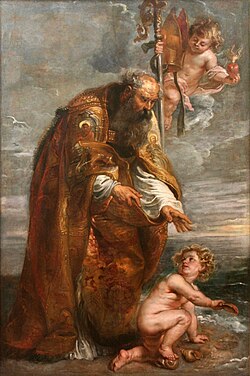
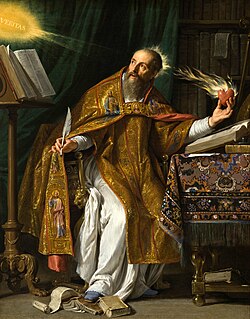
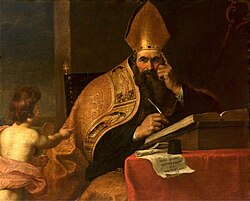
Saint Augustine of Hippo played a pivotal role in defining the "Catholic" church to distinguish it from heretical groups. His work on the nature of grace and human will laid the groundwork for much of Western theology.
Scholasticism and Thomism
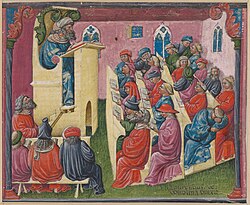
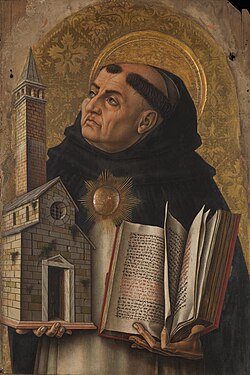
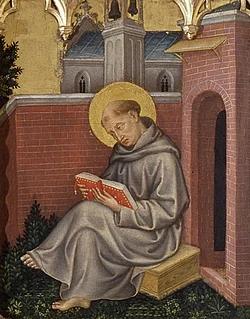
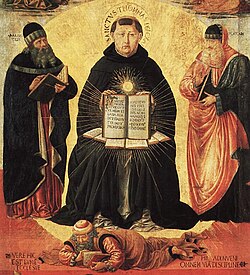
Scholasticism was a medieval method of critical thought that sought to reconcile faith with reason. A central figure in this movement was Saint Thomas Aquinas, whose Thomism attempted to harmonize Aristotelian philosophy with Augustinian theology. Aquinas is well-known for his Summa Theologiae and the "Five Ways"—five logical proofs intended to support the existence of God.
Core Doctrines of the Latin Tradition
Purgatory
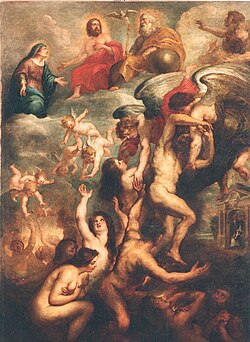
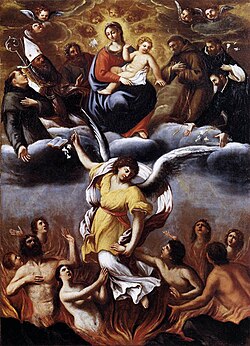
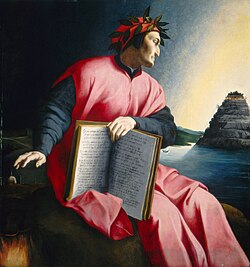
The Latin Church teaches the existence of purgatory, a process of purification for those who die in God's grace but are still imperfectly purified. This doctrine is based on biblical references to purifying fire (1 Corinthians 3:15, 1 Peter 1:7) and the practice of praying for the dead, as seen in 2 Maccabees 12:46.
Original Sin
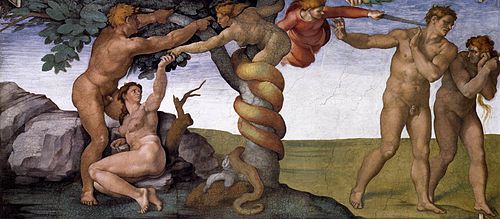
The concept of original sin—the state of sin into which all humans are born—was first alluded to by St. Irenaeus in the 2nd century and later developed by Saint Augustine. While some later interpretations (such as those by Martin Luther or John Calvin) suggested that original sin completely destroyed free will, the Latin Church maintains that while free will is weakened and diminished by the fall of Adam, it is not destroyed. Baptism is believed to erase original sin, though the inclination toward evil persists.
Marian Dogmas
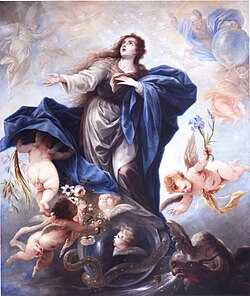
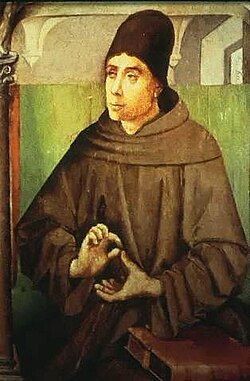
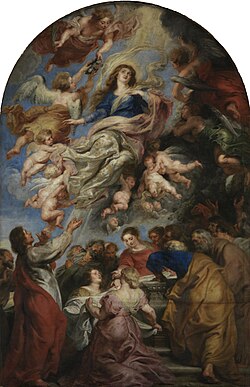
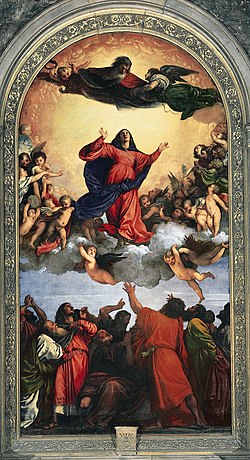
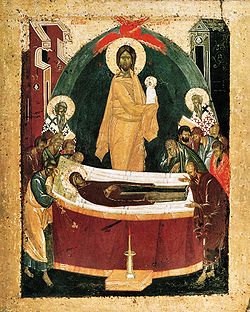
The Latin Church holds two significant dogmas regarding the Virgin Mary: the Immaculate Conception and the Assumption. The Immaculate Conception, strongly argued by the Scholastic philosopher John Duns Scotus, asserts that Mary was preserved from original sin from the moment of her conception. The Assumption teaches that Mary was taken body and soul into heavenly glory.
Comparative Perspectives and Iconography
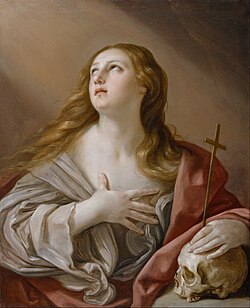
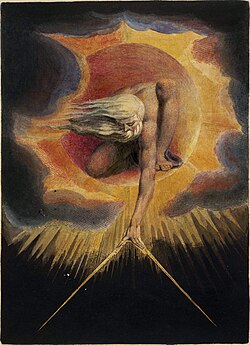
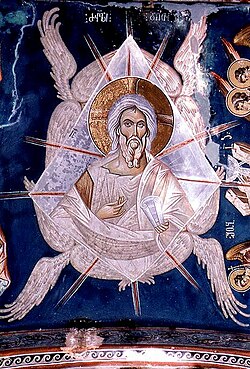
Certain traditions in the Latin Church differ from Eastern Christianity. For example, the Western tradition historically conflated Mary of Bethany, Mary Magdalene, and the woman caught in adultery into one person, a view not adopted by the East. Additionally, the depiction of the Ancient of Days (an elderly figure from the Book of Daniel) is handled differently; while the East often identifies this figure as the pre-eternal Son (Jesus), Western art has varied in its interpretation.
Summary of the Latin Church
| Feature | Details |
|---|---|
| Type | Particular church (sui iuris) |
| Governance | Episcopal; led by the Pope (Holy See) |
| Primary Language | Ecclesiastical Latin and native languages |
| Key Philosophies | Augustinianism, Scholasticism, Thomism |
| Major Rites | Roman, Ambrosian, Mozarabic |
| Global Reach | Worldwide; ~1.3 billion members (2015) |
Frequently Asked Questions
What is the difference between the Ordinary and Extraordinary Form of the Mass?
The Ordinary Form is the post-Vatican II Mass promulgated in 1969 and revised in 2002, typically celebrated in the vernacular. The Extraordinary Form refers to the 1962 version of the Tridentine Mass, which is celebrated in Latin.
How does the Latin Church view free will in relation to original sin?
The Latin Church teaches that while original sin weakened and diminished human nature and free will, it did not destroy it. Baptism erases the sin, but the inclination toward evil remains as a spiritual battle.
What is the "Five Ways" in Thomism?
The Five Ways are five logical arguments developed by Saint Thomas Aquinas to provide rational proof for the existence of God, bridging the gap between faith and reason.
What is the Immaculate Conception?
It is the dogma stating that the Virgin Mary was conceived without the stain of original sin, a belief championed by John Duns Scotus and later dogmatically defined by the Church.
What is the purpose of Purgatory?
Purgatory is viewed as a process of final purification for those who die in God's grace but still possess imperfections, allowing them to achieve the holiness necessary to enter heaven.