Latin American Literature: From Colonial Roots to the Global Boom
Latin American literature is a vast tapestry of oral and written traditions expressed in Spanish, Portuguese, and various indigenous languages. While the region is often globally recognized for the 20th-century phenomenon of magical realism—a style that blends realistic narrative with surreal elements—its literary heritage is far more complex and ancient than a single movement.
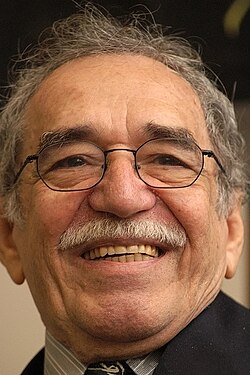
From the early colonial era to the experimental novels of the modern age, the region's writing has served as a mirror to its social upheavals, political struggles, and cultural identity. The most famous era, the Latin American Boom, catapulted authors like Gabriel García Márquez to international stardom, but this success was built upon centuries of evolving artistic expression.
Key Facts
- Diverse Languages: Primarily written in Spanish and Portuguese, alongside numerous indigenous languages.
- Magical Realism: The most internationally recognized style, blending the mundane with the fantastic.
- The Boom: A mid-20th century literary movement that brought daring, experimental novels to a global audience.
- Nobel Recognition: Six Latin American authors have won the Nobel Prize in Literature.
- Social Critique: A strong tradition of using literature to challenge colonialism, patriarchy, and government corruption.
The Evolution of Voice: Colonialism to the 19th Century
Early colonial literature was dominated by male authors, though notable exceptions like Sor Juana Inés de la Cruz emerged. By the 19th century, an increase in education allowed women writers to enter the public sphere, often using their work to critique the vestiges of colonialism and the oppression of women and indigenous peoples.
Prominent female voices of this era included Gertrudis Gómez de Avellaneda, whose novel Sab (1841) critiqued slavery in Cuba, and Clorinda Matto de Turner, a pioneer of indigenismo (literature focusing on indigenous themes) with her 1889 work Aves sin nido. Other influential figures included Juana Manuela Gorriti and Mercedes Cabello de Carbonera, who challenged the patriarchal structures of their nascent nations.
Modernismo and the Avant-Garde
In the late 19th century, Modernismo emerged as the first truly Latin American poetic movement to influence the world outside the region. Founded by Nicaraguan poet Rubén Darío with the publication of Azul (1888), this movement sought to establish connections across national borders. Figures like José Martí and Delmira Agustini further expanded this movement, with Martí using his writing to warn against United States imperialism in works such as Our America (1892).
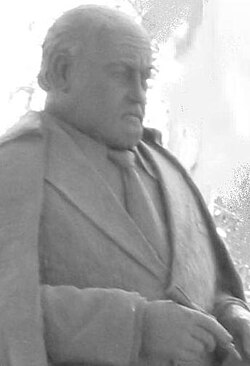
The 1920s and 30s saw an influx of avant-garde movements. In Mexico, Stridentism and los Contemporáneos flourished, while the Mexican Revolution inspired social realism in novels like Mariano Azuela's Los de abajo. During this time, Venezuelan writer Arturo Uslar Pietri laid the groundwork for magical realism with his 1931 novel Las lanzas coloradas.
By the 1940s, Alejo Carpentier coined the term lo real maravilloso (the marvelous real). Along with Juan Rulfo and Miguel Ángel Asturias, Carpentier acted as a precursor to the upcoming literary explosion known as the Boom.
The Latin American Boom
The Boom was a period of unprecedented international success for Latin American novelists between the 1960s and 1970s. It was characterized by experimental structures and the widespread adoption of magical realism. Julio Cortázar's Rayuela (1963) exemplified the daring nature of the era's prose.
The movement reached a pinnacle with Gabriel García Márquez's One Hundred Years of Solitude (1967), which became a defining text of the region. While magical realism became the dominant association, other giants of the Boom, such as Mario Vargas Llosa and Carlos Fuentes, explored different narrative frameworks. The era's culmination is often seen in Augusto Roa Bastos's Yo, el supremo (1974).
Legacy and Global Impact
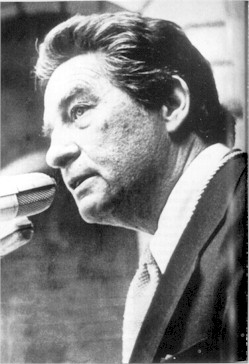
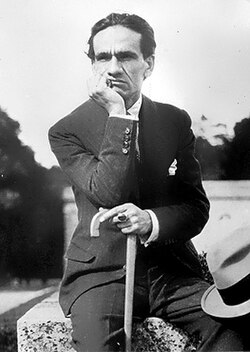
The influence of these writers extended far beyond the page, helping to define the modern Mexican personality and the broader Latin American identity. This is evident in the work of Octavio Paz and the enduring legacy of poets like César Vallejo.
| Author | Country | Year Awarded |
|---|---|---|
| Gabriela Mistral | Chile | 1945 |
| Miguel Ángel Asturias | Guatemala | 1967 |
| Pablo Neruda | Chile | 1971 |
| Gabriel García Márquez | Colombia | 1982 |
| Octavio Paz | Mexico | 1990 |
| Mario Vargas Llosa | Peru | 2010 |
Frequently Asked Questions
What is magical realism?
Magical realism is a literary style that integrates fantastic or mythical elements into otherwise realistic settings, treating the supernatural as a normal part of daily life.
What was the Latin American Boom?
The Boom was a literary movement in the mid-20th century (roughly 1960s-1970s) that brought experimental Latin American novels to global prominence and commercial success.
Who are some of the most influential women writers of the 19th century?
Key figures include Gertrudis Gómez de Avellaneda, Clorinda Matto de Turner, Juana Manuela Gorriti, and Mercedes Cabello de Carbonera, who often wrote about social inequality and patriarchy.
What is "lo real maravilloso"?
Coined by Alejo Carpentier, "lo real maravilloso" (the marvelous real) refers to the inherent magic and wonder found in the actual reality and landscape of Latin America, serving as a precursor to magical realism.
Which Latin American authors have won the Nobel Prize?
The laureates include Gabriela Mistral, Miguel Ángel Asturias, Pablo Neruda, Gabriel García Márquez, Octavio Paz, and Mario Vargas Llosa.