Latakia: The Bride of the Mediterranean
Known affectionately as the Bride of the Mediterranean, Latakia is a pivotal coastal city in Syria. Serving as a vital gateway for trade and a center of cultural convergence, the city blends ancient Hellenistic roots with modern urban development. From its strategic harbor to its diverse architectural heritage, Latakia remains one of the most significant urban centers in the Levant.
Founded in the 4th Century BC by King Seleucus I Nicator and named after Laodice of Macedonia, the city has evolved over millennia. Today, it serves as the capital of the Latakia Governorate, balancing its role as a commercial hub with its identity as a scenic coastal retreat.
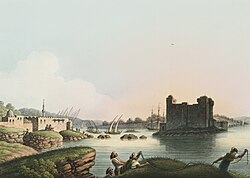
Key Facts
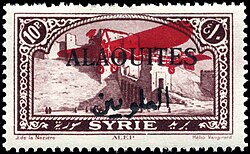
- Founded: 4th Century BC by King Seleucus I Nicator.
- Population: Approximately 709,000 (2023 estimate).
- Primary Economy: Driven by the Port of Latakia, agriculture, and tourism.
- Climate: Mediterranean (Csa), characterized by mild, wet winters and hot, dry summers.
- Strategic Importance: Syria's main harbor and a key logistics hub.
Historical Evolution
Ancient and Classical Eras
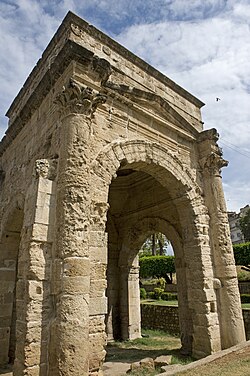
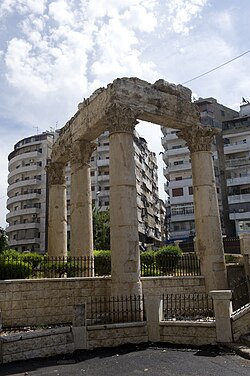
Latakia's early history is documented in Strabo's Geographica. Following its founding, the city flourished under Roman rule, leaving behind significant architectural remnants. One such example is the Tetraporticus, a monumental gateway built by Septimius Severus in AD 193.
Medieval and Ottoman Periods
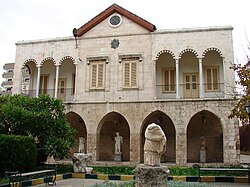
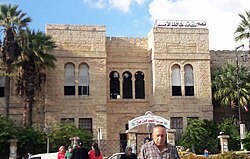
The city transitioned through various eras of control, including the Early Islamic period and subsequent rule by the Crusaders, Ayyubids, and Mamluks. During the Ottoman era, the city maintained its importance as a trading post, evidenced by the existence of khans (traditional inns), one of which now houses the city's national museum.
Modern Era and Conflict
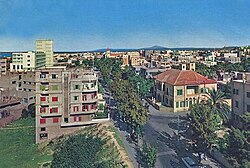
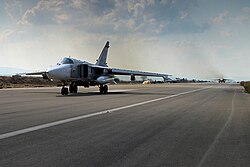
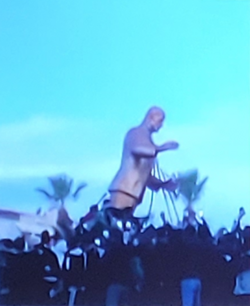
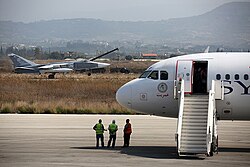
Following the French Mandate period, Latakia became a key city in the modern Syrian state. In recent years, it has been impacted by the Syrian Civil War. The city has seen significant geopolitical activity, including the presence of the Khmeimim Air Base, a primary Russian military operation center in Syria. In 2024, the toppling of the statue of Hafez al-Assad in the city became a potent symbol of the fall of the Assad regime.
Geography and Climate
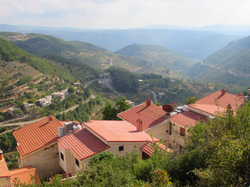
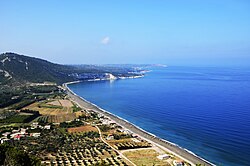
Latakia is situated at an elevation of 11 meters (36 ft) on the Eastern Mediterranean coast. The region experiences a Csa climate (Mediterranean climate), which features distinct seasonal shifts. Winters are rainy and mild, while summers are characterized by high temperatures and minimal precipitation.
| Metric | Winter (Jan) | Summer (Jul) | Annual Average/Total |
|---|---|---|---|
| Mean Daily Max Temp (°C) | 16.1 | 29.6 | 23.7 |
| Mean Daily Min Temp (°C) | 8.4 | 24.6 | 16.5 |
| Average Precipitation (mm) | 152.5 | 1.0 | 700.4 |
| Sunshine Hours (Daily Mean) | 4.4 | 10.5 | 7.8 |
Culture, Education, and Infrastructure
Landmarks and Sights
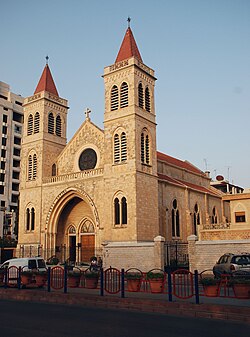
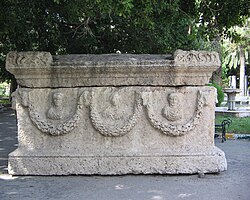
The city is home to a variety of historical and religious sites, including the ruins of the Temple of Bacchus and the Latin Church (Church of the Sacred Heart of Jesus). The National Museum of Latakia preserves the region's history, featuring artifacts such as Roman-period funerary tombs.
Education and Architecture
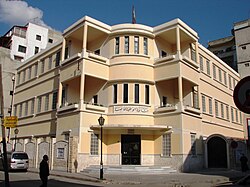
Latakia boasts a rich educational history. The Jules Jammal School, originally mandatory-era barracks, stands as one of the city's oldest educational institutions. Modern architectural influences are also present, such as the National Private High School, which was built in the Bauhaus style (a functionalist architectural movement).
Urban Infrastructure
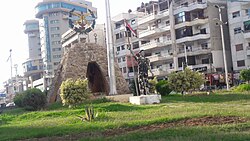
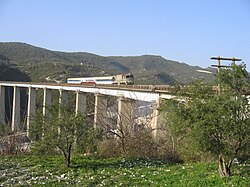
The city's layout is anchored by the Al-Ziraa roundabout, a critical junction linking various districts. Transportation is facilitated by a railway connecting Latakia to Aleppo and the Latakia International Airport, located nearby in Jableh.
Economy and Industry
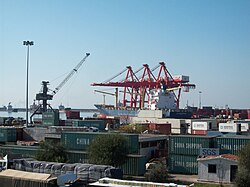
The economy of Latakia is heavily reliant on its maritime capabilities. The Port of Latakia serves as Syria's main harbor, handling the vast majority of the country's imports and exports. Beyond the port, the region is known for its agriculture and the production of Latakia tobacco.
Sports and Recreation
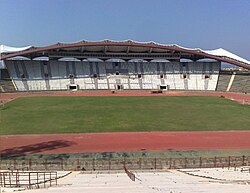
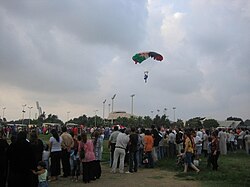
The city has invested in modern athletic facilities, including the Latakia Sports City and the Municipal Stadium. These venues host major events, such as the al-Mahaba Festival.
Frequently Asked Questions
Who founded the city of Latakia?
Latakia was founded in the 4th Century BC by King Seleucus I Nicator and was named in honor of Laodice of Macedonia.
What is the primary economic driver of the city?
The primary economic driver is the Port of Latakia, which is Syria's main harbor and a critical hub for international trade.
What is the climate like in Latakia?
Latakia has a Mediterranean climate (Csa), featuring hot, dry summers and mild, rainy winters, with an annual average precipitation of approximately 700.4 mm.
What are some of the most notable historical sites in the city?
Notable sites include the Roman Tetraporticus, the ruins of the Temple of Bacchus, the National Museum of Latakia, and the Latin Church.
Where is the main airport serving the city located?
The Latakia International Airport is located in Jableh, near the city of Latakia.