The KTX: Revolutionizing High-Speed Travel in South Korea
Since its inaugural service on April 1, 2004, the Korea Train eXpress (KTX) has fundamentally transformed the landscape of South Korean transportation. As a premier inter-city high-speed rail service operated by Korail, the KTX has bridged the gap between major metropolitan hubs, offering a fast, efficient, and reliable alternative to traditional travel methods.
With operating speeds reaching up to 305 km/h (190 mph), the KTX network connects the nation through a sophisticated system of high-speed lines and upgraded conventional tracks. Whether traveling for business or leisure, the KTX provides a modern travel experience characterized by advanced technology and diverse service options.
Key Facts
- First Service: April 1, 2004
- Current Operator: Korail
- Maximum Operating Speed: Up to 305 km/h (190 mph)
- Track Gauge: 1,435 mm (Standard gauge)
- Electrification: 25 kV/60 Hz overhead catenary
- Service Classes: First Class, Superior Class, and Standard Class
Technical Specifications and Rolling Stock
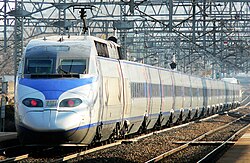
The KTX utilizes a variety of rolling stock, which refers to the different types of trains used on the network. Over the years, the fleet has evolved from early models to cutting-edge, domestically developed technology.
Evolution of KTX Trains
The fleet has seen significant technological progression, moving from early high-speed models to the latest generation of electric multiple units (EMUs).
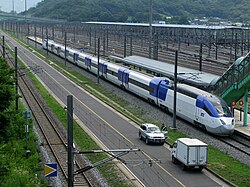
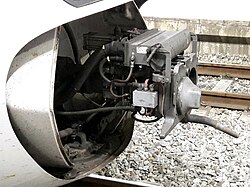
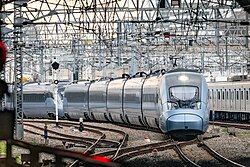
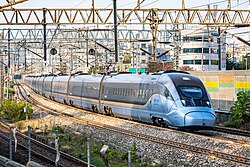
- KTX-I: The original rolling stock, derived from the French TGV technology.
- KTX-Sancheon: A more advanced class, including the Class 110000 and Class 140000.
- KTX-Eum: A newer generation of high-speed trains.
- KTX-Cheongryong: The latest addition to the high-speed fleet.
Infrastructure and Power
To maintain high speeds safely, the KTX operates on a standard gauge of 1,435 mm. The system is powered via an overhead catenary—a system of wires suspended above the tracks—providing 25 kV/60 Hz of electricity to the trains.
Major KTX Routes and Services
The KTX network is extensive, covering several major corridors across the country. While some routes utilize dedicated high-speed lines, others utilize upgraded conventional lines to reach their destinations.
Primary Rail Corridors
The following table summarizes the major routes and their approximate daily frequencies based on 2021 data:
| Route Name | Primary Path/Connection | Approx. Daily Frequency |
|---|---|---|
| Gyeongbu KTX | Haengsin – Seoul – Daejeon – Dongdaegu – Busan | 39–48 |
| Gyeongjeon KTX | Dongdaegu – Miryang – Changwon – Jinju | 12–16 |
| Honam KTX | Haengsin – Yongsan – Iksan – Gwangju-Songjeong – Mokpo | 20–21 |
| Jeolla KTX | Iksan – Jeonju – Yeosu-Expo | 12–14 |
| Gangneung KTX | Seoul – Cheongnyangni – Pyeongchang – Gangneung | 14–21 |
| Gyeongbu SRT | Suseo – Daejeon – Dongdaegu – Busan | 40 |
On-Board Amenities
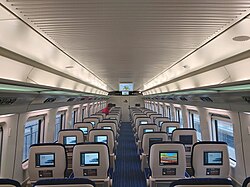
Passengers can enjoy various amenities designed for comfort and convenience. The service is fully accessible for passengers with disabilities and offers several tiers of service:
- Classes: First Class, Superior Class, and Standard Class.
- Facilities: On-board catering, entertainment facilities, and dedicated baggage storage.
Ticketing and Passenger Trends
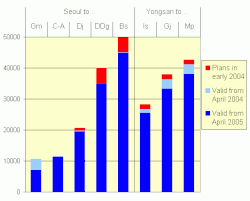
Ticket pricing for the KTX varies depending on the specific route and the day of the week. Generally, travel on Mondays through Thursdays is more affordable than weekend travel (Friday–Saturday).
Sample Fare Comparison
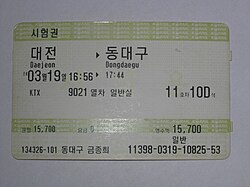
For a standard KTX service, a Monday–Thursday fare is approximately 51,800 won, while the Friday–Saturday fare increases to 55,500 won. For those looking for more economical options, conventional trains like the Mugunghwa offer lower rates, starting around 26,500 won.
Ridership Growth
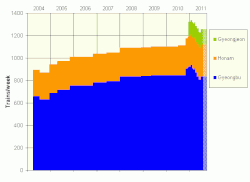
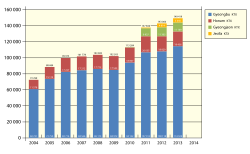
Since its launch, the KTX has seen a massive increase in usage. For example, annual ridership grew from 56.9 million in 2014 to 64.6 million in 2016.
Frequently Asked Questions
What classes of seating are available on the KTX?
The KTX offers three main classes of service: First Class, Superior Class, and Standard Class, catering to different levels of comfort and budget.
How fast does a KTX train travel?
The KTX is capable of reaching operating speeds of up to 305 km/h (190 mph).
Is the KTX accessible for passengers with disabilities?
Yes, the KTX service is designed to be fully accessible to passengers with disabilities.
What is the difference between KTX and SRT?
While both are high-speed services, they operate on different routes; for example, the Gyeongbu SRT connects Suseo to Busan, whereas the standard Gyeongbu KTX typically runs through Seoul.
Are there catering services on board?
Yes, the KTX provides on-board catering facilities for passengers.