Kosher Animal and Dairy Products: Laws and Guidelines
The laws of kashrut (Jewish dietary laws) extend far beyond the simple prohibition of certain meats. They encompass a wide array of animal-derived products, including dairy, eggs, and processed additives. Determining whether a product is kosher often involves analyzing its source, the method of production, and the chemical changes the substance undergoes during processing.
Key Facts
- Dairy: Milk from a kosher animal is generally considered kosher, though modern industrial mixing creates debate among some authorities.
- Eggs: Eggs from kosher birds are pareve (neutral), meaning they can be eaten with either meat or dairy.
- Cheese: The status of cheese often depends on the source of the rennet (the enzyme used to curdle milk).
- Gelatin: Derived from collagen, gelatin is controversial; some authorities view it as non-kosher if from a forbidden animal, while others believe chemical processing renders it permissible.
- Breast Milk: Human breast milk is permitted for consumption.
Animal-Derived Products
Talmudic writers banned products from forbidden species and unhealthy animals. This prohibition includes eggs and fish roe, as well as derived products like jelly. However, materials that are "gathered" or "manufactured" by animals, such as honey from bees, are generally permitted, though ancient writers held differing opinions regarding honey from non-bee animals.
Historically, rabbinical writers noted that eggs from ritually pure animals typically possess a prolate (pointy) end and an oblate (rounded) end, serving as a physical marker to reduce uncertainty regarding their permissibility.
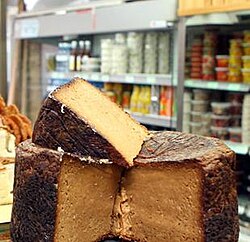
Dairy and Cheese
Generally, milk from an animal whose meat is kosher is also considered kosher. A complexity arises if an animal is discovered to be diseased after slaughter, which would retroactively make the meat non-kosher. However, Jewish tradition applies the principle that the majority case overrules the exception; since most animals are healthy, the milk remains kosher.
Some modern scholars, such as Hershel Schachter, argue that large-scale dairy operations mix milk from a minority of non-kosher cows with the majority of kosher cows, potentially invalidating the milk. Despite this, many leading rabbis and kashrut authorities continue to rule such milk as permissible.
The Complexity of Cheese
Cheese production often involves rennet, an enzyme that separates milk into curds and whey. Because rennet can be derived from the stomach linings of non-kosher animals, its source is critical. Kosher cheese is typically made using rennet from kosher animals slaughtered according to kashrut laws, plant-derived rennet, or recombinant rennet produced by microbes.
The Shulchan Aruch (a code of Jewish law) includes a decree known as gevinat akum, which prohibits cheese made by non-Jews without Jewish supervision due to the high risk of non-kosher rennet. While some historical communities in Italy and Narbonne followed the view of Rabbeinu Tam—who suggested this decree didn't apply where kosher ingredients were standard—most contemporary Orthodox authorities require formal certification.
Eggs and Blood Spots
Eggs from kosher birds are permitted and classified as pareve. A specific concern arises when blood spots are found inside an egg. The halacha (Jewish law) differs based on whether the egg was fertilized:
- Fertilized Eggs: Rules are complex; if blood appears on the yolk, the entire egg is forbidden. To avoid error, some follow the custom of Moshe Isserles to avoid any egg with a blood spot.
- Unfertilized Eggs: For eggs laid by hens isolated from roosters (common in modern battery farming), authorities like Moshe Feinstein and Ovadia Yosef rule that the blood spot may be removed and the rest of the egg eaten.
Regarding inspection, the Shulchan Aruch permits eating hard-boiled eggs without checking. While some Ashkenazi authorities note a minhag (custom) to check supermarket eggs, it is generally not required in commercial settings where it would be cost-prohibitive.
Gelatin and Substitutes
Gelatin is made from hydrolysed collagen, the primary protein in animal connective tissue. Because it can be sourced from non-kosher animals like pigs, it is found in everything from marshmallows and jelly to medical capsules and photographic film.
The status of gelatin is a point of contention. Many Orthodox rabbis view it as non-kosher. Conversely, Conservative rabbis and some Orthodox figures, including Ovadia Yosef and Chaim Ozer Grodzinski, argue that the intense chemical processing transforms the collagen so completely that it is no longer considered "meat."
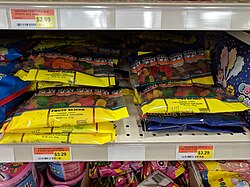
To avoid these concerns, many manufacturers use substitutes with similar chemical properties, such as:
- Tapioca starch
- Modified pectins
- Carrageenan combined with vegetable gums (e.g., guar, xanthan, locust bean, or acacia gum)
- Agar
Additionally, some manufacturers now produce gelatin from the skins of kosher fish to ensure permissibility.
Summary of Kosher Animal Product Status
| Product | General Status | Primary Concern |
|---|---|---|
| Milk | Kosher | Industrial mixing of non-kosher sources |
| Cheese | Conditional | Source of rennet and supervision (gevinat akum) |
| Eggs | Kosher (Pareve) | Presence of blood spots in fertilized eggs |
| Gelatin | Controversial | Animal source (e.g., pig) vs. chemical change |
| Honey | Kosher | Source animal (if not from bees) |
Frequently Asked Questions
Are eggs considered dairy in kashrut?
No, eggs are considered pareve, meaning they are neutral and can be consumed with either meat or dairy products.
Why is some cheese not kosher even if the milk is?
The issue is usually the rennet used to curdle the milk. If the rennet is derived from a non-kosher animal or produced without proper supervision, the cheese may be forbidden.
Can I eat an egg if I see a blood spot?
If the egg is definitely unfertilized (as is common with most commercial eggs), many authorities permit removing the spot and eating the egg. If it may be fertilized, the rules are stricter.
Is all gelatin non-kosher?
Not necessarily. Gelatin from kosher fish is permitted, and some authorities believe that the chemical processing of animal collagen renders it kosher regardless of the source. However, many Orthodox authorities still avoid it without certification.
What are the alternatives to animal gelatin?
Common kosher and vegan alternatives include agar, pectin, carrageenan, and various vegetable gums like xanthan or guar gum.