Kashrut: The Principles and Practices of Kosher Dietary Laws
Kashrut (also spelled kashruth or kashrus) refers to the comprehensive set of dietary laws that govern which foods Jewish people are permitted to eat and how those foods must be prepared according to religious law. The term kosher is derived from the Hebrew word kashér, meaning "fit"—specifically, fit for consumption. Conversely, food that does not meet these standards is termed treif (or treyf), meaning it is not permitted.
While the laws of kashrut are detailed and complex, they are built upon foundational principles regarding the types of animals allowed, the method of slaughter, and the strict separation of certain food groups.
Key Facts
- Kosher means "fit" for consumption; treif means non-permitted.
- Permitted land animals must have cloven hooves and chew their cud.
- Permitted aquatic animals must have both fins and scales.
- Meat and dairy products cannot be cooked, served, or eaten together.
- Pareve refers to foods that are neither meat nor dairy.
- Shechita is the ritual method of slaughter required for meat to be kosher.
Permitted and Forbidden Foods
The laws of kashrut categorize animals into those that are permitted and those that are strictly forbidden. These distinctions are based on specific physical characteristics.
Mammals and Birds
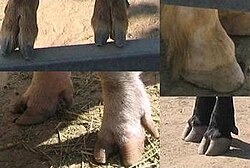
For a mammal to be kosher, it must possess two traits: it must have cloven hooves and chew its cud. This excludes animals like pigs, which have cloven hooves but do not chew their cud.
Regarding birds, the law generally prohibits birds of prey and scavengers. Most domesticated poultry, such as chicken and turkey, are permitted.
Aquatic Animals and Insects
In the water, only fish that possess both fins and scales are kosher. This means shellfish, shrimp, and eels are forbidden. Among insects, almost all are prohibited, with the exception of specific types of locusts or grasshoppers, though these are rarely identified in modern contexts.
The Process of Preparation
Kosher Slaughter (Shechita)
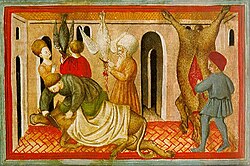
Even if an animal is of a permitted species, it is not kosher unless it is slaughtered through shechita. This is a ritual method performed by a trained specialist to ensure the animal is killed quickly and humanely.
Meat Preparation and Utensils
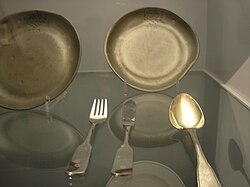
After slaughter, certain fats and the sciatic nerve must be removed from the meat. Furthermore, the separation of meat and dairy is a central tenet of kashrut. This requires separate sets of pots, pans, and utensils for meat and dairy products to prevent cross-contamination.
Categorization of Kosher Foods
All kosher-certified foods fall into one of three primary categories to help consumers maintain the separation of meat and dairy.
| Category | Definition | Examples |
|---|---|---|
| Meat (M) | Includes all permitted mammals and poultry. | Beef, Chicken, Turkey |
| Dairy (D) | Products derived from the milk of kosher animals. | Cheese, Butter, Milk |
| Pareve | Neutral foods containing neither meat nor dairy. | Fruits, Vegetables, Eggs, Fish |
Supervision and Certification
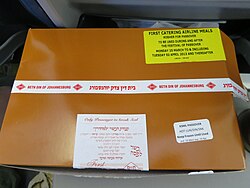
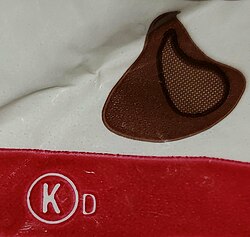
Because modern food processing is complex, many people rely on hashgacha (supervision). Certification agencies inspect ingredients and production lines to ensure they meet kashrut standards. These certifications are indicated by symbols on packaging.
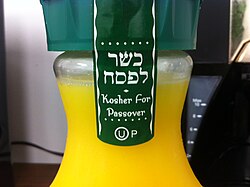
Common symbols include the circled "U" (Orthodox Union) or the circled "K" (OK Kosher). These labels often include a "D" for dairy or the word "Pareve" to indicate the food's category.
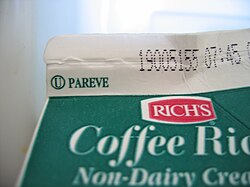
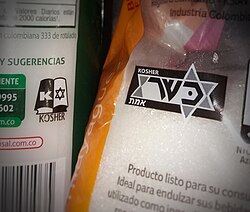
Certification is essential for processed goods, as well as for specific holidays like Passover, where additional restrictions (such as the prohibition of leavened products) apply.
Cultural Adherence and Modern Practice
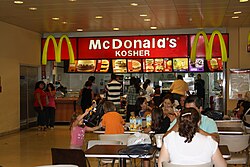
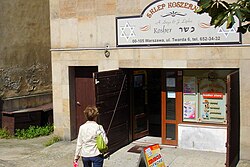
The level of adherence to kashrut varies globally. For example, surveys indicate that Israeli Jews are generally more likely to keep kosher in their homes than American Jews. In the United States, while a minority strictly follow all laws, a larger percentage abstain specifically from pork, which is viewed as a significant taboo.
Frequently Asked Questions
What is the difference between kosher and pareve?
Kosher is a general term for any food that is "fit" for consumption according to Jewish law. Pareve is a specific sub-category of kosher food that contains neither meat nor dairy, meaning it can be eaten with either.
Can you eat fish in a kosher diet?
Yes, provided the fish has both fins and scales. Shellfish, such as lobster or clams, are not kosher.
Why are meat and milk kept separate?
The separation of meat and dairy is a biblical requirement. This extends beyond just eating them together; it includes using separate cookware and waiting periods between eating the two types of food.
What does a kosher certification symbol mean?
A symbol (like the OU or OK) indicates that a qualified agency has supervised the production of the food to ensure it contains only permitted ingredients and was processed according to kashrut laws.
Is "kosher-style" the same as kosher?
No. "Kosher-style" typically refers to foods that avoid pork or shellfish but are not produced under strict rabbinic supervision and may not follow all rules, such as the separation of meat and dairy.