Koreans in Japan: A Comprehensive History and Demographic Overview
The presence of Korean residents in Japan, often referred to as Zainichi, represents a complex and deeply intertwined history between two neighboring nations. From ancient migrations to the modern era of legal and social integration, the Korean community in Japan has shaped and been shaped by the shifting political landscapes of East Asia.
Today, this community is a diverse group comprising long-term residents, descendants of historical migrants, and modern professionals. Understanding their story requires looking back through centuries of interaction, through periods of conflict, and into the current demographic realities of the 21st century.
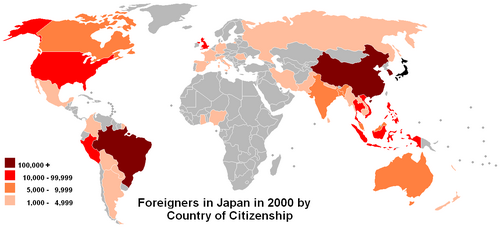
Key Facts
- As of December 2024, there are approximately 432,444 Korean citizens living in Japan.
- The population is divided between South Korean (409,238) and North Korean (23,206) citizens.
- The community includes 281,295 Special Permanent Residents.
- Historical migration increased significantly following the 1876 Japan-Korea Treaty and during the World War II era.
- Cultural integration is reflected in rising marriage rates between Japanese and Korean nationals.
Demographic Breakdown and Residency Status
The Korean population in Japan is categorized by various residency statuses, reflecting different legal paths and historical backgrounds. According to Ministry of Justice data, the community is not a monolith but a collection of individuals with diverse legal standings.
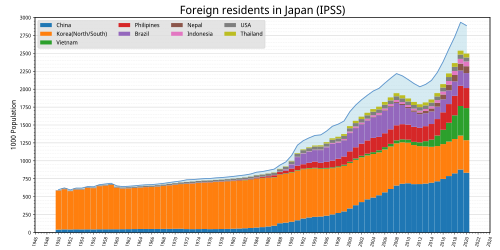
The largest group consists of Special Permanent Residents, numbering 281,295. Other significant categories include general permanent residents, those on technology or humanities visas, students, and those residing via family ties or marriage. This diversity highlights the multifaceted nature of the Korean presence in Japanese society.
| Residency Category | Number of People |
|---|---|
| Special Permanent Residents | 281,295 |
| General Permanent Residents | 75,771 |
| Technology/Humanities/International Services | 24,298 |
| Study Abroad | 14,906 |
| Japanese Spouse, etc. | 11,907 |
| Family Stay | 9,108 |
| Permanent Resident (Other) | 7,224 |
| Business and Management | 2,681 |
| Spouse of Permanent Resident | 2,109 |
| Specific Activities | 2,013 |
Historical Evolution
Pre-Modern and Early Modern Eras
While Korean presence in Japan dates back to ancient periods, a notable historical event occurred during the Japanese invasions of Korea (1592–1598), when an estimated 60,000 to 70,000 Koreans were brought to Japan as prisoners of war. In the modern era, the 1876 Japan-Korea Treaty opened new channels for migration, including students and political activists.
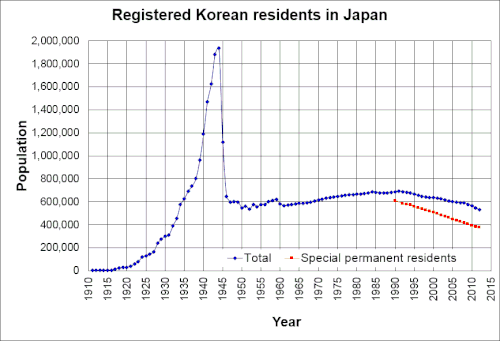
Following the 1910 Japan–Korea Annexation Treaty, all Korean residents legally became citizens of the Empire of Japan. This period saw a dramatic increase in the Korean population, which was further impacted by conscription during World War II.
Post-War Transitions and the Division of Identity
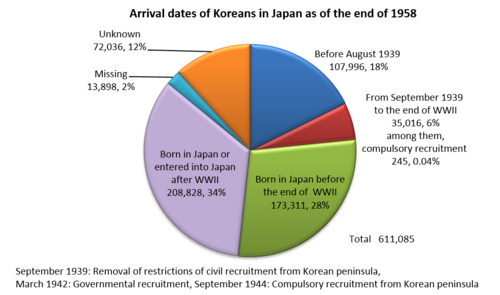
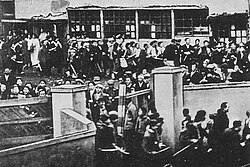
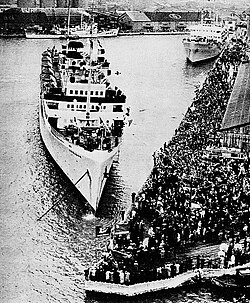
The end of World War II brought massive shifts. In 1945, approximately 2.4 million Koreans were in Japan, but following the war, the majority repatriated, leaving roughly 650,000 residents by 1946. The subsequent division of the Korean Peninsula into North and South led to a division within the Zainichi community itself.
Two major organizations emerged to represent these interests: Mindan (associated with South Korea) and Chongryon (associated with North Korea). These organizations often hold differing views on issues such as naturalization and marriage, as they link ethnic identity closely to national allegiance.
Social Integration and Cultural Identity
Naturalization and Marriage
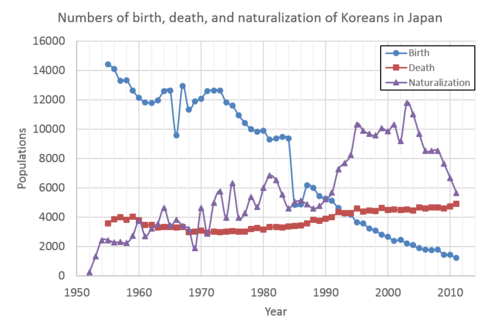
Integration into Japanese society is a central theme for the Zainichi community. Every year, between 3,000 and 4,000 Koreans choose to naturalize in Japan. This is a significant decision, as many organizations view naturalization as a shift in national identity rather than just a legal status.
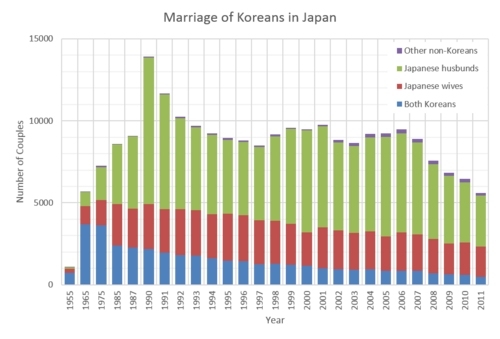
Intermarriage has also seen a steady increase. While there were only 1,971 marriages between Japanese and Koreans recorded in 1965, this number has roughly quadrupled. As of recent statistics, these marriages constitute approximately 1% of all marriages in Japan.
Language and Names
The use of names is a sensitive aspect of identity. Many Koreans in Japan have historically used Tsūmei (legal aliases or Japanese-sounding names) to navigate social and professional environments. Surveys have shown that a significant portion of the community uses Japanese names in professional settings, while others maintain their original names.
Professional Advancement and Education
The landscape for Zainichi Koreans has improved significantly regarding labor rights. A landmark moment occurred in 1979 when Kim Kyung Deok became the first Zainichi Korean lawyer in Japan. Today, there are over 100 Zainichi Korean lawyers, some of whom are active members of the Lawyers Association of Zainichi Koreans (LAZAK).
Frequently Asked Questions
What is the difference between Mindan and Chongryon?
Mindan is the South Korean Residents Union in Japan, while Chongryon is the Federation of Korean Associations, Japan, which maintains ties with North Korea. They represent different political and national affiliations within the Korean community.
What does "Zainichi" mean?
The term "Zainichi" refers to ethnic Koreans living in Japan. It is a common way to describe the community that has established roots in the country over several generations.
Why do some Koreans in Japan use Japanese names?
Historically, many used Japanese-sounding names (Tsūmei) to avoid discrimination or to facilitate easier integration into Japanese schools and workplaces. While this practice has changed, it remains a part of the community's social history.
How many Koreans live in Japan today?
As of late 2024, there are approximately 432,444 Korean citizens residing in Japan, consisting of both South Korean and North Korean nationals.
Is naturalization common among Koreans in Japan?
Naturalization occurs annually, with approximately 3,000 to 4,000 individuals opting to become Japanese citizens each year. This process is often viewed through the lens of cultural and national identity.