KLM Royal Dutch Airlines: A Century of Aviation Excellence
Founded on October 7, 1919, KLM (Koninklijke Luchtvaart Maatschappij) stands as one of the oldest airlines in the world still operating under its original name. From its early days of pioneering regional flights to its current status as a global aviation powerhouse, KLM has remained a symbol of Dutch reliability and innovation in the skies.
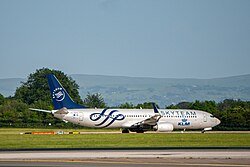
Based at its primary hub, Amsterdam Airport Schiphol, the airline is now part of the Air France-KLM group and a key member of the SkyTeam alliance. With a legacy spanning over a century, KLM has evolved from using small propeller planes to operating a sophisticated fleet of widebody jets, connecting passengers to 164 destinations worldwide.
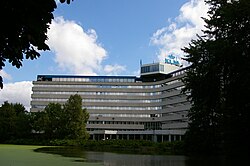
Key Facts
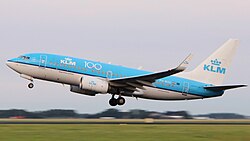
- Founded: October 7, 1919, by Albert Plesman.
- Hub: Amsterdam Airport Schiphol, Netherlands.
- Parent Company: Air France-KLM.
- Alliance: SkyTeam.
- Frequent-Flyer Program: Flying Blue.
- Financials (2025): Revenue of €13.2 billion and net income of €416 million.
- Workforce: 36,071 employees (as of 2024).
The Evolution of the Fleet
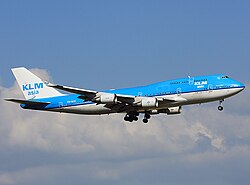
KLM's history is mirrored in the aircraft it has operated. In the early 20th century, the airline utilized Fokker aircraft, such as the F-XVIII, to establish routes in the Dutch East Indies.
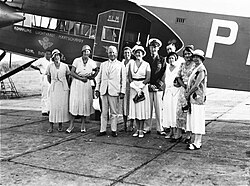
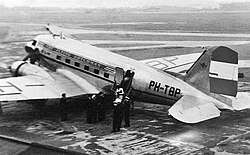
The 1930s saw the introduction of the Douglas DC-2, notably the aircraft Uiver, which famously placed second in the 1934 MacRobertson Air Race from England to Melbourne.
![KLM Douglas DC-2 aircraft Uiver in transit at Rambang airfield on the east coast of Lombok island following the aircraft being placed second in the MacRobertson Air Race from RAF Mildenhall, England, to Melbourne in 1934[19]](/images/15/74/157473568d5eab52b5943978e52f7052fcc832e93073b05a3084427bfa5b2da4.jpg)
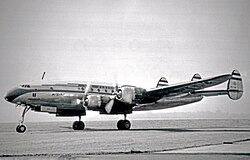
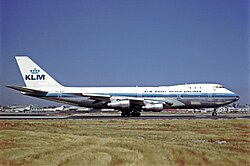
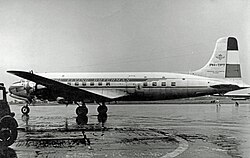
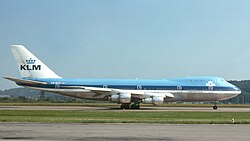
Following World War II, KLM expanded its reach with the Douglas DC-3 and DC-6, eventually transitioning into the Jet Age during the 1960s and 70s. The introduction of the Boeing 747 in 1971 marked a turning point, providing the airline with its first widebody aircraft—a plane capable of carrying significantly more passengers over long distances—which served as a long-haul mainstay until 2020.
Transition to Modern Aviation
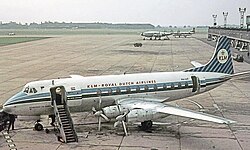
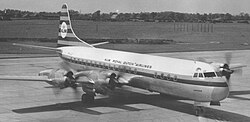
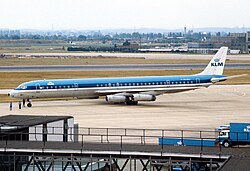
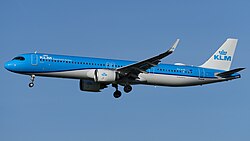
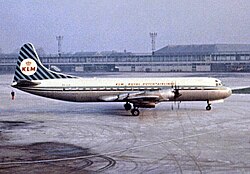
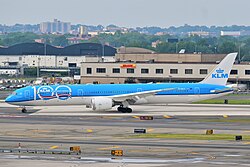
Over the decades, KLM integrated various aircraft to optimize efficiency, including the Vickers Viscount, Lockheed L-188 Electra, and the Douglas DC-8. Today, the fleet is modernized with advanced aircraft like the Boeing 787-9 Dreamliner and the Airbus A321neo, the latter featuring the airline's updated 2024 livery.
Corporate Structure and Global Reach
KLM operates through a network of specialized subsidiaries to manage different aspects of aviation. These include KLM Cityhopper for regional flights, Transavia for leisure travel, and Martinair for cargo operations. The airline also maintains a strong presence in Asia through KLM Asia.
Strategic Partnerships
To extend its global footprint without owning aircraft on every route, KLM utilizes codeshare agreements—commercial arrangements where two or more airlines share the same flight. KLM maintains these agreements with a vast array of partners, including Delta Air Lines, Air France, and Qantas.
Additionally, the airline holds interline agreements with various carriers and railway services, such as Eurostar and SNCF, ensuring seamless travel for passengers transitioning between air and rail.
Passenger Experience and Branding
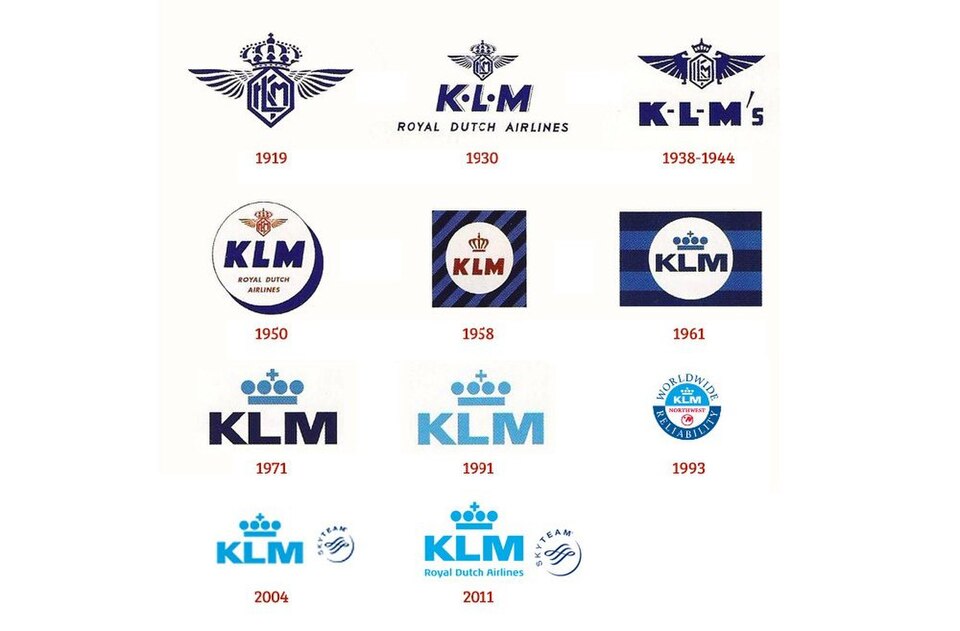
KLM is renowned for its distinct corporate identity, which has evolved through various logos and marketing slogans. From the early 1920s focus on business travel to the current "Journeys of Inspiration" (2009–present), the brand emphasizes reliability and inspiration.
Onboard Services
The airline offers a tiered cabin structure to cater to different traveler needs:
- World Business Class: Premium long-haul seating and dining.
- Europe Business Class: Enhanced comfort for short-haul flights.
- Premium Economy & Economy Comfort: Mid-tier options for extra legroom.
- Economy Class: Standard seating for global travel.
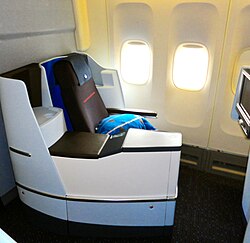
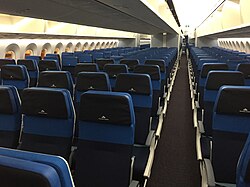
One of KLM's most cherished traditions is the distribution of Delft Blue houses—miniature ceramic houses filled with gin—given to passengers on long-haul flights, blending Dutch cultural heritage with aviation.

Operational Performance Summary
The following table outlines the growth and financial trajectory of KLM over the last decade, highlighting the impact of global events on passenger traffic and revenue.
| Year | Revenue (€ bn) | Net Profit (€ m) | Passengers (m) | Aircraft Count |
|---|---|---|---|---|
| 2015 | 9.9 | 54 | 28.6 | 199 |
| 2017 | 10.3 | -497 | 32.7 | 204 |
| 2019 | 11.0 | 449 | 35.1 | 229 |
| 2020 | 5.1 | -1,546 | 11.2 | 218 |
| 2022 | 10.6 | 744 | 25.8 | 225 |
| 2024 | 12.6 | 70 | 33.1 | 224 |
| 2025 | 13.2 | 416 | 34.5 | 185 |
Frequently Asked Questions
Who founded KLM and when?
KLM was founded by Albert Plesman on October 7, 1919.
What is the primary hub for KLM?
The airline's primary hub is Amsterdam Airport Schiphol in the Netherlands.
What are the Delft Blue houses?
Delft Blue houses are miniature ceramic houses given to passengers on long-haul flights as a nod to traditional Dutch pottery.
Which alliance does KLM belong to?
KLM is a member of the SkyTeam alliance and is part of the Air France-KLM parent company.
What is the current marketing slogan of KLM?
Since 2009, KLM has used the slogan "Journeys of Inspiration."