King of the United Kingdom
The King of the United Kingdom serves as the head of state, embodying the continuity and stability of the British state. Currently held by His Majesty King Charles III since September 8, 2022, the role is a blend of ancient tradition and modern constitutional duty. While the monarch holds significant formal powers, the position operates within a constitutional monarchy, where political authority is exercised by elected officials.
From the ceremonial duties of the coronation to the complex financial management of the Crown Estate, the monarchy remains a central pillar of the United Kingdom's identity and governance.
Key Facts
- Current Monarch: Charles III (Acceded September 8, 2022).
- Heir Apparent: William, Prince of Wales.
- Primary Residences: Buckingham Palace, Windsor Castle, Clarence House, and Holyrood Palace.
- Financial Support: Funded via the Sovereign Grant and private income, with the Crown Estate held in trust for the nation.
- Constitutional Status: A constitutional monarch who acts on the advice of ministers.
Constitutional Role and Royal Prerogative
The monarch's authority is defined by the Royal Prerogative—a collection of powers, privileges, and immunities traditionally held by the sovereign. In the modern era, these powers are largely exercised on the advice of government ministers.
Governmental Appointments and Parliament
One of the most critical functions of the King is the appointment of the Prime Minister. Additionally, the monarch is responsible for the summons, prorogation (ending a session), and dissolution of Parliament. The legislature itself is often described as the "Crown in Parliament," comprising the Sovereign, the House of Lords, and the House of Commons.
Sovereign Immunity
The monarch possesses sovereign immunity, meaning they are exempt from certain legal proceedings and laws. This legal status ensures the head of state can perform their duties without the interference of civil litigation.
Historical Evolution of the Monarchy
The British monarchy has evolved from absolute rule to a symbolic role over a millennium of political shifts.
Early Foundations and the Norman Conquest
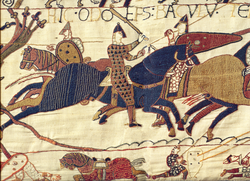
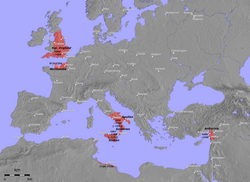
The trajectory of the English monarchy was fundamentally altered by the Norman Conquest of 1066, which established a new ruling dynasty and administrative structure.
The Path to the United Kingdom
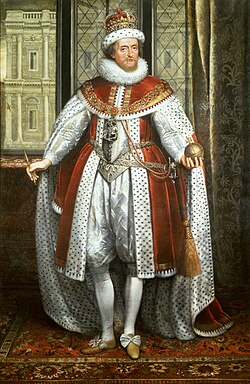
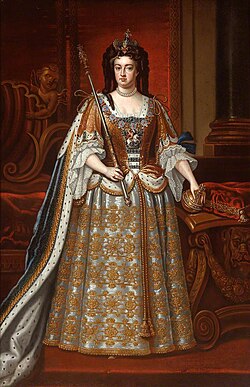
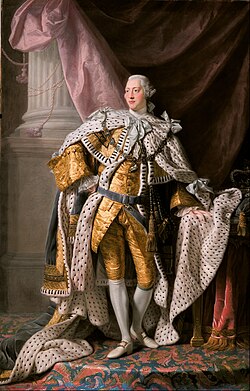
The unification of the British Isles occurred in stages. In 1603, James VI of Scotland became James I of England, creating a personal union. Later, the 1707 Acts of Union formally joined England and Scotland into the Kingdom of Great Britain under Queen Anne. Finally, in 1801, the union of Great Britain and Ireland created the United Kingdom under George III.
The Shift to Constitutionalism
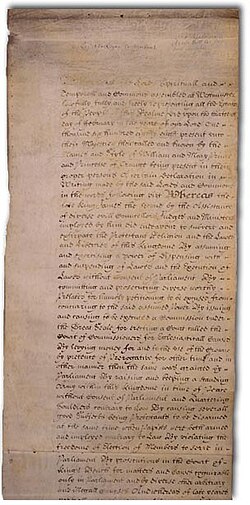
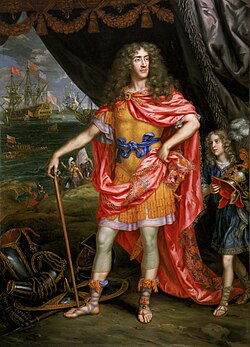
The power of the sovereign was significantly curtailed by the English Bill of Rights of 1689, following the Glorious Revolution which saw James II removed from the throne. This established the principle that the monarch cannot rule without the consent of Parliament.
The House of Windsor
The current royal house was originally the House of Saxe-Coburg and Gotha, established by Edward VII in 1901. In 1917, during the First World War, King George V changed the name to Windsor to distance the monarchy from German sentiment.
Succession, Religion, and Finance
The Line of Succession
Succession is governed by strict laws regarding sex and religion. Modern updates, such as the Succession to the Crown Act 2013, have ensured that gender does not determine the order of succession.
![William, Prince of Wales, heir apparent to the British throne[89]](/images/34/9c/349c43b3d33cb46406c61bec901da43095f20fff4aa23bc3a10087edfec27a95.jpg)
Religious Duties
The monarch holds a dual religious role, serving as the Supreme Governor of the Church of England and holding a special position within the Church of Scotland.
Financial Structure
The monarchy's finances are divided between private wealth and public trusts. The Crown Estate is a massive property portfolio (valued at £15.6 billion in 2022) held in trust; it cannot be sold or owned privately by the King. Profits from the Crown Estate are surrendered to the Treasury, which in turn provides the Sovereign Grant to fund official duties.
| Financial Item | Amount (2021–22) | Description |
|---|---|---|
| Crown Estate Profit | £312.7 million | Revenue surrendered to the Treasury |
| Sovereign Grant | £86.3 million | Funding provided to the monarch |
Royal Residences and Symbols
The monarch maintains several official residences across the UK to represent the Crown in different nations.
- Buckingham Palace: The primary administrative headquarters in London.
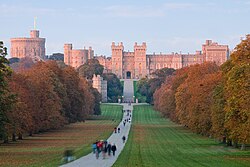
- Windsor Castle: A historic royal residence in Berkshire.
- Holyrood Palace: The official residence in Edinburgh, Scotland.
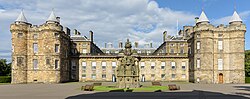
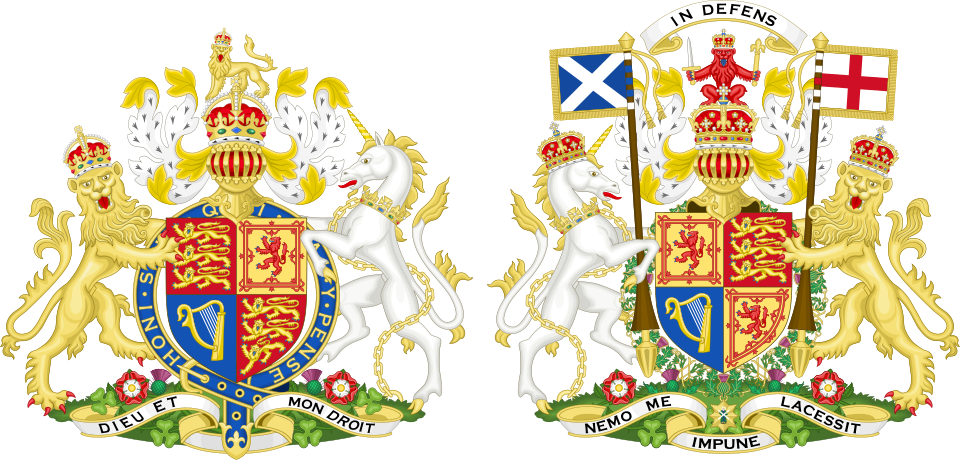
The monarchy is further represented by the Royal Coat of Arms, which varies by region. In Scotland, the Arms of Scotland take precedence over the English arms.
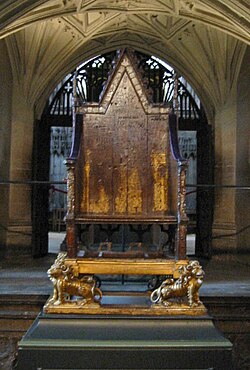
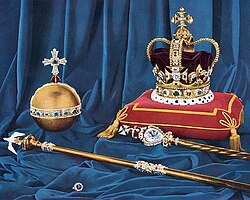
Ceremonial objects, including St Edward's Crown and the sovereign's orb, are used during the coronation, where the monarch swears to uphold the law and the church upon King Edward's Chair.
Frequently Asked Questions
Who is the current King of the United Kingdom?
The current monarch is King Charles III, who ascended to the throne on September 8, 2022.
What is the difference between the Crown Estate and the King's private wealth?
The Crown Estate is a portfolio of land and assets held in trust for the nation and cannot be sold or owned privately by the sovereign. Private wealth consists of personal assets and income from sources like the Duchy of Lancaster.
Does the King actually make laws?
No. While the King provides Royal Assent to bills passed by Parliament, he does so on the advice of ministers. The actual drafting and passing of laws are handled by the House of Commons and the House of Lords.
Who is next in line for the throne?
The heir apparent is William, Prince of Wales.
Why was the royal house renamed to Windsor?
King George V changed the name from Saxe-Coburg and Gotha to Windsor in 1917 to reduce the family's perceived German associations during the First World War.