Karachi: The Vibrant Megacity of Pakistan
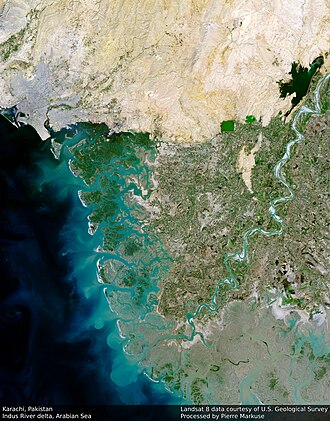
Known by evocative nicknames such as the City of Lights, the Paris of the East, and the Bride of the Cities, Karachi is a sprawling metropolis that serves as the economic heartbeat of Pakistan. Located in the Sindh province along the coast of the Arabian Sea, this megacity is a melting pot of cultures, languages, and histories, evolving from a small fishing settlement into one of the most populous cities in the world.
As the largest city in Pakistan and the 11th largest globally, Karachi is a critical hub for trade, finance, and industry. Its strategic location makes it the primary gateway for the country's international commerce, blending a rich colonial past with a rapidly modernizing urban landscape.
Key Facts
- Population: Approximately 18.8 million (Megacity) and 20.3 million (Metro area) as of 2023.
- Global Rank: 3rd largest city in Asia and 11th largest in the world.
- Economy: A GDP (PPP) of $200 billion as of 2021.
- Geography: Situated at an elevation of 10 meters (33 ft) on the coast of the Arabian Sea.
- Administration: Divided into 7 districts, including Central, East, South, West, Korangi, Malir, and Kemari.
Geography and Climate
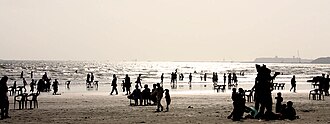
Karachi's geography is defined by its proximity to the Arabian Sea, which significantly moderates its temperature compared to the harsher climates found elsewhere in the Sindh province.
The city experiences a range of temperatures, with record highs reaching 48.0°C (118.4°F). Precipitation is concentrated primarily in the monsoon months of July and August, which bring the highest average rainfall, often leading to urban flooding challenges.
History and Architecture
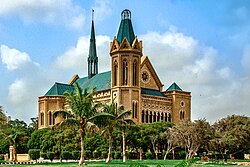
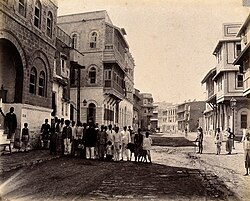
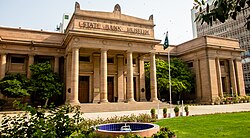
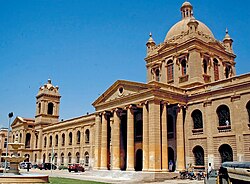
The settlement of Karachi dates back to 1729, originally known as the Kolachi settlement. Over the centuries, it grew into a vital port, eventually coming under British control. This colonial influence is still visible today through Indo-Saracenic architecture—a revivalist style that blends Indian, Islamic, and Gothic elements.
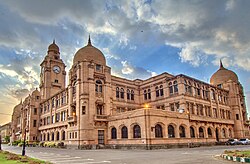
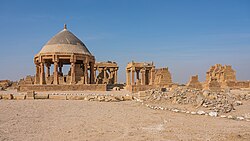
Prominent landmarks from the British Raj include Frere Hall and the KMC Building. The city also preserves older heritage, such as the Chaukhandi tombs from the 15th to 18th centuries, which are currently a Tentative UNESCO World Heritage Site.
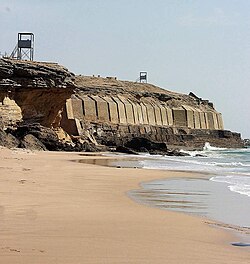
Military history is anchored by the Manora Fort, built in 1797 to defend the city. It was captured by the British in 1839 and later upgraded in the late 19th century.
Colonial and Modern Landmarks
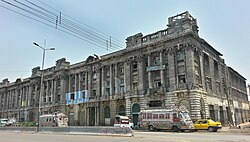
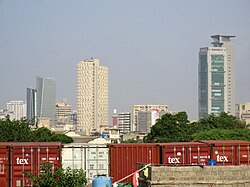
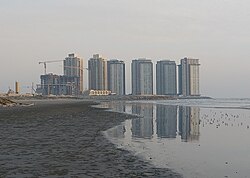
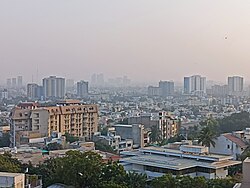
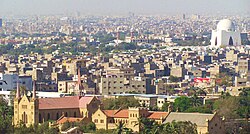
The cityscape is a mix of old and new. While the former State Bank of Pakistan building represents the colonial era, the modern skyline is defined by high-rises in areas like DHA. I. I. Chundrigar Road serves as the city's "downtown," the center of its financial activity.
Demographics and Culture
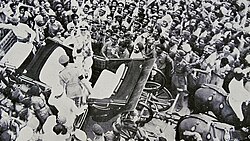
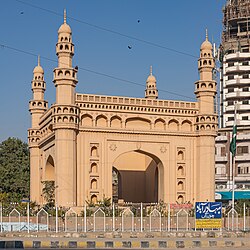
Karachi is one of the most diverse cities in South Asia. While Urdu is the most spoken language (50.7%), the city is home to significant populations of Pashto, Sindhi, and Punjabi speakers. This diversity is a result of waves of migration, including descendants of refugees from Hyderabad, India, who built a replica of the Charminar monument in the Bahadurabad area.
Religion and Worship
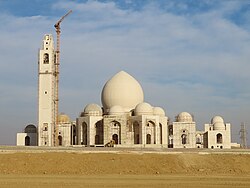
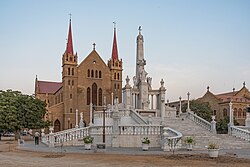
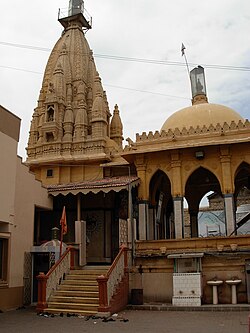
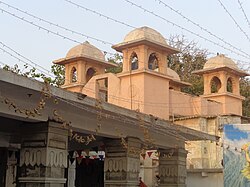
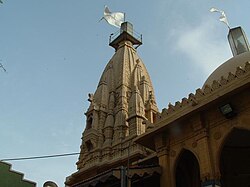
The city is a center for various faiths. The Grand Jamia Mosque is the largest mosque in Pakistan and the 3rd largest in the world, capable of holding 800,000 worshippers. Other significant sites include St. Patrick's Cathedral (built in 1881) and the Swaminarayan Temple, the largest Hindu temple in the city.
Economy and Infrastructure
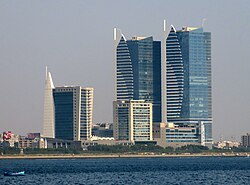
Karachi is the industrial powerhouse of Pakistan. The city hosts numerous massive industrial estates, with the Bin Qasim Industrial Zone being the largest at 25,000 acres.
| Estate Name | Established | Area (Acres) |
|---|---|---|
| Bin Qasim Industrial Zone | 1970 | 25,000 |
| Landhi Industrial Area | 1949 | 11,000 |
| Korangi Industrial Area | 1960 | 8,500 |
| SITE Karachi | 1947 | 4,700 |
| Pakistan Textile City | 2004 | 1,250 |
Transportation
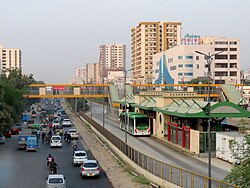
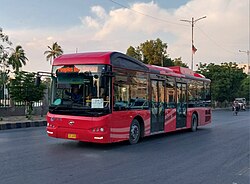
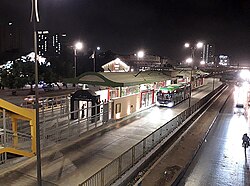
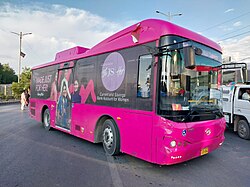
To manage its massive population, Karachi utilizes a variety of transit systems. These include the Greenline Metrobus, the People's Bus Service (available in Red and Pink), and the Karachi Circular Railway. For international travel, the city is served by Jinnah International Airport.
Education and Sports
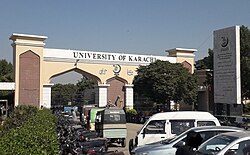
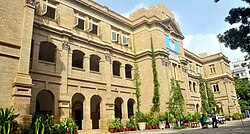
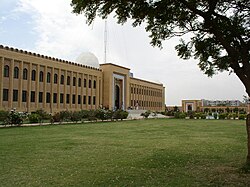
The city is a hub for higher learning, featuring the University of Karachi—the city's largest by land area and student population—and the historic D. J. Sindh Government Science College, dating back to 1887.
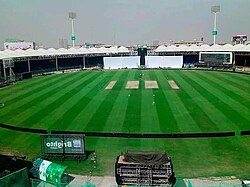
Sports, particularly cricket, are central to the city's identity. The National Stadium hosts professional teams like the Karachi Kings of the Pakistan Super League.
Frequently Asked Questions
What is the population of Karachi?
As of 2023, the megacity population is 18,868,021, with the total metropolitan population reaching 20,382,881.
Which is the largest mosque in Pakistan?
The Grand Jamia Mosque in Karachi is the largest mosque in Pakistan and the third largest in the world, with a capacity of 800,000 worshippers.
What are the primary languages spoken in Karachi?
The most spoken language is Urdu (50.7%), followed by Pashto (13.5%), Sindhi (11.1%), and Punjabi (8.08%).
What is the significance of the Bin Qasim Industrial Zone?
It is the largest industrial estate in the city, covering 25,000 acres, and plays a vital role in Pakistan's industrial economy.
How does the sea affect Karachi's weather?
The Arabian Sea provides a moderating influence, ensuring that Karachi generally has more moderate temperatures than other inland areas of the Sindh province.