Jujuy: Argentina's High-Altitude Frontier of Culture and Nature
Perched in the extreme northwest of Argentina, Jujuy is a province of staggering contrasts. Bordering Chile and Bolivia, it serves as a gateway to the Andes, where high-altitude plateaus meet subtropical jungles. From the vibrant colors of its canyons to the stark white of its salt flats, Jujuy is a region where ancient indigenous heritage and modern industrial ambition coexist.
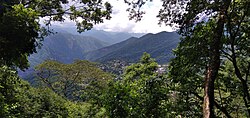
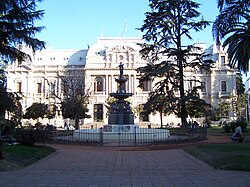
The province is governed from its capital, San Salvador de Jujuy, and is characterized by a diverse landscape that ranges from the arid Puna to the lush forests of the southeast.
Key Facts
- Location: Extreme northwest Argentina, bordering Chile and Bolivia.
- Capital: San Salvador de Jujuy.
- Geography: Features the Altiplano (plateau), Quebrada de Humahuaca (canyon), and Yungas (subtropical jungle).
- Economy: Diversified, with strengths in sugarcane, tobacco, iron, and lithium mining.
- UNESCO Site: The Quebrada de Humahuaca was declared a World Heritage Site on July 2, 2003.
- HDI: 0.840 (Very High), ranking 16th in Argentina.
Geography and Climate
Jujuy's terrain is defined by three distinct geographical zones. The Altiplano, a high plateau averaging 3,500 meters (11,500 ft) with peaks reaching 5,000 meters (16,000 ft), covers the majority of the province. Cutting through this landscape is the Quebrada de Humahuaca, a canyon carved by the Río Grande with elevations between 1,000 and 3,500 meters.
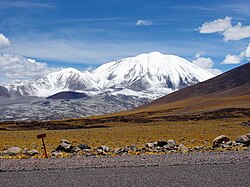
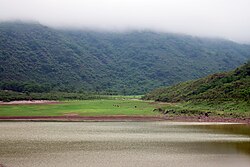
To the southeast, the mountains descend into the Gran Chaco region. This dramatic variation in altitude creates extreme climatic differences, resulting in both the arid Salinas Grandes salt mines and the subtropical Yungas jungle. While most of the province is semi-desertic, the El Ramal valley of the San Francisco River provides a temperate exception.
History and Cultural Heritage
Long before European arrival, the Omaguacas and Ocloyas inhabited the region, domesticating guanacos and building stone fortresses known as Pucará. The Pucará de Tilcara remains a prominent example of these ancient defensive structures. These groups were eventually integrated into the Inca Empire.
The name "Jujuy" is believed to derive from xuxuyoc, a type of Inca provincial governor. Spanish colonization began in 1593 with the founding of San Salvador de Jujuy by Francisco de Argañaraz y Murguía. Over the centuries, the region played a pivotal role in Argentine independence, most notably during the Jujuy Exodus, a scorched-earth evacuation led by General Manuel Belgrano to thwart Spanish forces.
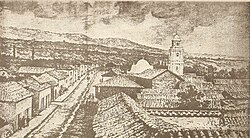
The province achieved autonomy from Tucumán and Salta on November 18, 1834. The late 19th and early 20th centuries brought economic modernization through the rise of the sugarcane industry and the arrival of the railway connecting Jujuy to Buenos Aires and La Paz, Bolivia.
Indigenous Peoples and Social Challenges
The Colla people have lived in Jujuy for centuries, maintaining traditional subsistence farming with llamas and goats. In recent years, indigenous groups, including the Atacama people, have voiced concerns over the environmental impact of lithium extraction.
Critics argue that lithium mining consumes excessive amounts of water in an already arid region. Reports indicate that billions of liters of water are pumped from great depths into solar ponds, while chemical residuals like lye and hydrated sodium carbonate may contaminate the air, potentially causing blindness in llamas.
Economy and Industry
Jujuy possesses a diversified economy. While agriculture contributes roughly 10% of the output, it is highly specialized; the province produces 30% of Argentina's national sugar via sugarcane processing. Tobacco is another primary crop, particularly in the southeastern valley.
Manufacturing and mining are critical pillars of the local economy. Jujuy is the second-largest producer of iron in Argentina, centered around the Altos Hornos Zapla steel mill. Furthermore, the province is a global player in the Lithium Triangle (alongside Bolivia and Chile), producing lithium brine from sites like Salar de Olaroz and Salinas Grandes.
Tourism and Landmarks
Tourism has grown significantly, with a majority of visitors being domestic Argentine travelers. Most journeys begin in San Salvador de Jujuy before heading to the province's most iconic sites.
Key attractions include:
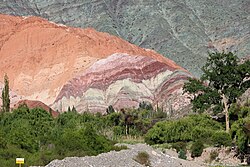
- Quebrada de Humahuaca: Famous for the Cerro de los Siete Colores (Hill of Seven Colors).
- Salinas Grandes: Vast, blindingly white salt flats.
- Pucará de Tilcara: Well-preserved Inca-era ruins.
- Calilegua National Park: A sanctuary within the Yungas jungle.
| Category | Detail |
|---|---|
| Total Area | 53,219 km² |
| Population (2022) | 797,955 |
| GDP (2016) | 51 billion pesos (US$3.5 billion) |
| HDI (2021) | 0.840 (Very High) |
| Administrative Divisions | 16 Departments |
Frequently Asked Questions
What is the Lithium Triangle?
The Lithium Triangle is a region spanning northwestern Argentina, Bolivia, and northeastern Chile. It contains more than half of the world's known lithium supply, primarily found in brine deposits.
Why is the Quebrada de Humahuaca significant?
It is a deep canyon known for its stunning geological formations and rich aboriginal roots. Due to its cultural and natural importance, UNESCO declared it a World Heritage Site in 2003.
What was the Jujuy Exodus?
The Jujuy Exodus was a massive strategic evacuation and scorched-earth operation led by General Manuel Belgrano during the Argentine War of Independence to prevent Spanish forces from utilizing local resources.
What are the main agricultural products of Jujuy?
The primary agricultural products are sugarcane, which accounts for a significant portion of the province's production, and tobacco. The region also raises llamas, vicuñas, and guanacos for wool.
How do I get to Jujuy?
Visitors typically arrive via the Gobernador Horacio Guzmán International Airport, which connects the province to Buenos Aires, Córdoba, and various destinations in Bolivia.