Judaism: History, Core Beliefs, and Sacred Traditions
Judaism is one of the oldest Abrahamic faiths, serving as both an ethnic religion and a spiritual framework for approximately 14.8 million people worldwide. Rooted in the first millennium BCE, it is characterized by a profound commitment to monotheism and a complex system of law, ethics, and tradition that has evolved over thousands of years.
At its heart, Judaism is defined by a covenant—a sacred agreement—between God and the people. This relationship is guided by sacred texts and a rich history of interpretation that allows the faith to remain relevant across different eras and global diasporas.
Key Facts
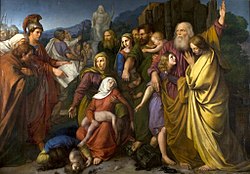
- Classification: Monotheistic Abrahamic ethnic religion.
- Founders: Traditionally attributed to Abraham and Moses.
- Primary Scripture: The Hebrew Bible (Tanakh).
- Global Population: Approximately 14.8 million adherents (c. 2025), making up about 0.2% of the world's population.
- Core Languages: Biblical Hebrew and Biblical Aramaic.
- Central Hub: Israel, with significant minority populations worldwide.
The Foundations of Faith and Theology
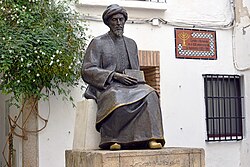
Judaism is strictly monotheistic, asserting that there is only one eternal God who is the Creator of all beings. One of the most influential summaries of these beliefs is the 13 principles of faith formulated by Maimonides, a preeminent Jewish philosopher.
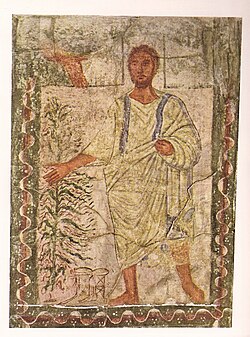
These principles emphasize that God has no physical body, is the only entity worthy of worship, and communicates with humanity through prophecy. Maimonides identified Moses as the greatest of the prophets and asserted that the Torah is the authentic, unchangeable word of God. The theology also encompasses the belief in a coming Messiah, the resurrection of the dead, and a final judgment where God rewards the righteous and punishes the wicked.
Sacred Texts and Legal Frameworks
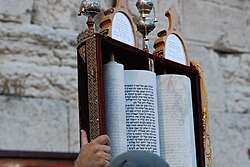
The intellectual and spiritual life of Judaism is centered on a hierarchy of texts, ranging from divine revelation to human interpretation.
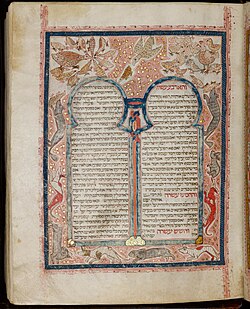
The Tanakh
The Tanakh is the Hebrew Bible, an acronym representing its three main divisions:
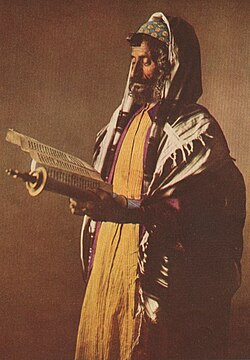
- Torah: The "Instruction" or "Teaching," comprising the first five books.
- Nevi'im: The "Prophets."
- Ketuvim: The "Writings."
The Talmud and Midrash
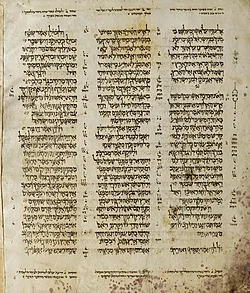
Because the written law is often concise, Judaism relies on the Talmud, a vast collection of rabbinic discussions and legal interpretations. This includes the Mishnah (the primary legal code) and the Gemara (commentaries on the Mishnah). Complementing this is Midrash, a method of textual interpretation used to uncover deeper meanings or fill gaps in the biblical narrative.
Halakha: The Path of Law
Halakha refers to the collective body of Jewish religious laws. These are codified in works such as Maimonides's Mishneh Torah and Rabbi Joseph Karo's Shulchan Aruch. Halakha governs everything from dietary restrictions to civil disputes and ritual purity.
Historical Evolution
![Global percentage of adherents by religion. Jews make up about 0.2% of the world's population.[135]](/images/77/65/7765c58927c1cd1d47139d38326be52d34e82426dc984e6aaf8e282b89db6260.webp)
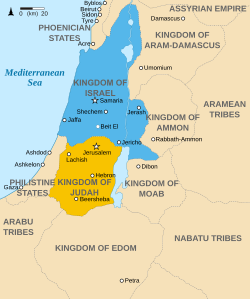
The history of Judaism is a journey from a tribal covenant to a global faith. It began with the traditional figures of Abraham and Moses in Mesopotamia and the Levant, eventually evolving into the Iron Age kingdoms of Israel and Judah.
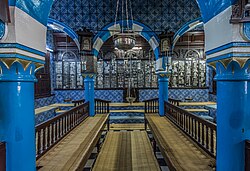
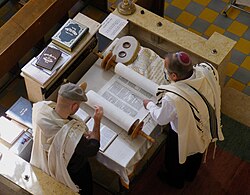
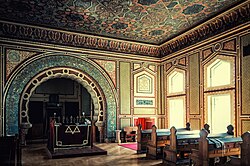
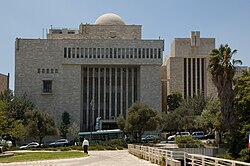
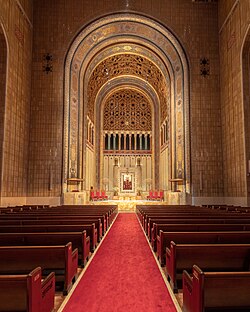
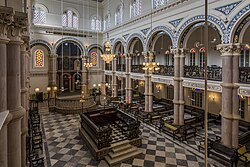
Following the Babylonian captivity and the subsequent return to Jerusalem, the Second Temple became the center of Jewish life. However, after the destruction of the Temple, Judaism transitioned from a temple-based sacrificial system to Rabbinic Judaism, where prayer, study, and the synagogue became the primary modes of worship.
Jewish Identity and Religious Movements
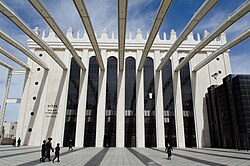
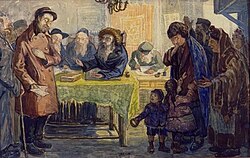
Jewish identity is multifaceted, often blending religious practice with ethnic and cultural heritage. Over time, several distinct movements have emerged to address the tension between tradition and modernity:
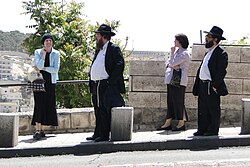
- Orthodox Judaism: Maintains a strict adherence to traditional Halakha.
- Conservative Judaism: Views the Torah as divine but acknowledges that it evolves over time.
- Reform Judaism: Emphasizes the ethical dimensions of the faith over strict ritual law.
- Reconstructionist/Renewal: Views Judaism as an evolving civilization.
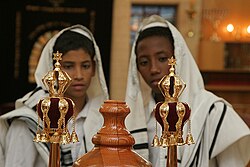
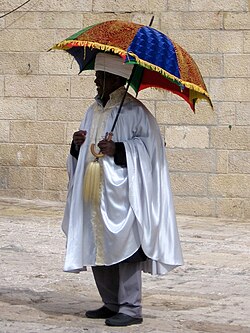
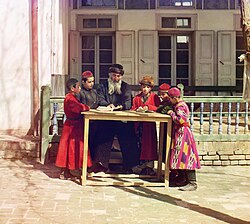
Beyond these, there are diverse traditions such as Sephardic (Spanish/North African) and Mizrahi (Middle Eastern) Judaism, as well as the Beta Israel (Ethiopian) community.
Observances and Life Cycle
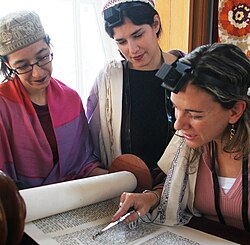
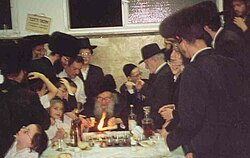
Jewish life is marked by a rhythmic cycle of holidays and rituals. The Shabbat (Sabbath) is the most central observance, a day of rest from Friday sunset to Saturday sunset.

Major Holidays
- High Holy Days: Including Rosh Hashanah and Yom Kippur, focusing on judgment and forgiveness.
- Pilgrimage Festivals: Passover, Shavuot, and Sukkot.
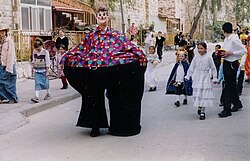
- Other Festivals: Hanukkah (the Festival of Lights) and Purim.

Ritual and Daily Life
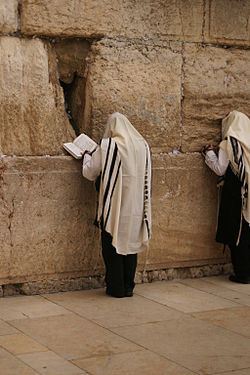
Daily practice often includes the use of tefillin (phylacteries) and tallit (prayer shawls). Dietary laws, known as kashrut, dictate which foods are permissible (kosher). Life-cycle events, such as the Bar Mitzvah for boys, mark the transition into religious adulthood.
Summary of Jewish Traditions
The following table provides a quick reference to the core components of the faith.
| Category | Key Elements | Purpose/Meaning |
|---|---|---|
| Scripture | Tanakh (Torah, Nevi'im, Ketuvim) | Divine revelation and history |
| Oral Law | Talmud, Midrash | Interpretation and legal application |
| Legal Code | Halakha | Guidelines for daily ethical and ritual living |
| Worship Space | Synagogue | Community prayer and study |
| Key Figures | Abraham, Moses, Maimonides | Foundational leadership and philosophy |
Frequently Asked Questions



What is the difference between the Torah and the Tanakh?
The Torah refers specifically to the first five books of the Hebrew Bible (the Five Books of Moses). The Tanakh is the entire Hebrew Bible, which includes the Torah, the Nevi'im (Prophets), and the Ketuvim (Writings).
What is the role of a Rabbi?
A rabbi is a professional clergy member and teacher who provides spiritual leadership, interprets Jewish law, and leads the congregation in prayer and study.
What does "Kosher" mean?
Kosher refers to food that is prepared according to the dietary laws of kashrut, which include prohibitions against certain animals (like pigs) and the requirement that meat and dairy not be consumed together.
What is the significance of the Western Wall?
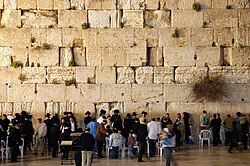
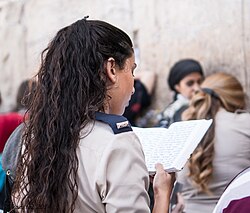
The Western Wall is a remnant of the wall that once encircled the Second Temple in Jerusalem. It is considered the holiest site where Jews can pray, as it is closest to the Temple Mount.
How is the Sabbath (Shabbat) observed?
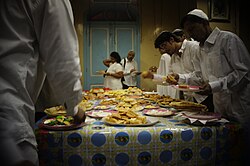
Shabbat is a day of rest from Friday evening to Saturday evening. It typically involves lighting candles, sharing a festive meal with braided challah bread, attending synagogue services, and abstaining from work.