José Hernández: The Voice of the Argentine Gaucho
José Hernández was a multifaceted figure in 19th-century Argentina, serving as a journalist, politician, and poet. While he navigated the turbulent political waters of his era, he is remembered today as the definitive voice of the gaucho—the skilled horsemen and cattle herders of the Argentine pampas. His legacy is so deeply woven into the national identity that his birthday is celebrated across Argentina as Tradition Day.
Born on November 10, 1834, in Chacras del Perdriel, Hernández grew up in the heart of the pastoral landscape. His father served as a majordomo, or foreman, for several cattle ranches, providing José with an intimate understanding of the rural life and the social struggles of the frontier workers.
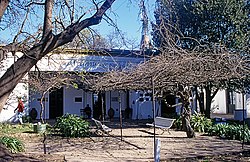
Key Facts
- Full Name: José Rafael Hernández y Pueyrredón.
- Most Famous Work: The epic poem Martín Fierro.
- Literary Genre: Gaucho literature (gauchesque).
- Political Stance: Federalist; advocate for local autonomy and pastoralism.
- National Honor: His birthday is commemorated as Tradition Day in Argentina.
- Death: October 21, 1886, due to heart disease.
A Life of Politics and Journalism
Hernández's professional life was marked by a constant shift between political activism and writing. He was deeply involved in the civil wars of Argentina and Uruguay, aligning himself with the Federal side. Beyond the battlefield, he worked as a stenographer for the legislature of the Confederation and spent time as an employee of a commercial firm.
As a journalist, Hernández founded the newspaper El Río de la Plata. Through this platform, he championed several social and political causes, including the election of school boards, military commanders, and justices of the peace. He was a staunch advocate for local autonomy and called for the abolition of conscripted "frontier contingents," which were forced military service units used to guard the borders.
His vision for Argentina was a federal republic rooted in pastoralism—the livestock-based economy of the plains. While he believed in a literate population and a strong education system, he opposed mass immigration, fearing it would erode the region's pastoral foundations. Politically, he stood in opposition to the centralizing and Europeanizing policies of President Domingo Sarmiento, though he remained a critic of General Juan Manuel de Rosas, whom he viewed as a despot.
The Legacy of Martín Fierro
Despite his political contributions, Hernández is known almost exclusively for his masterpiece, Martín Fierro. This epic poem is the pinnacle of gauchesque literature, a style that mimics the dialect and customs of the gauchos.
The poem was reportedly begun during Hernández's exile in Brazil following the defeat at Ñaembé in 1870. It was eventually published in two parts, the first in 1872 and the second in 1879. The work serves as a powerful tribute to the marginalized rural worker and remains a cornerstone of Argentine cultural heritage.
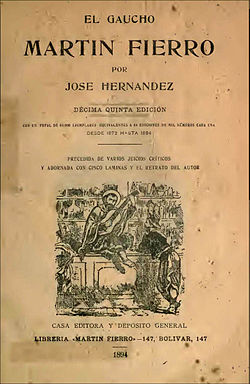
Summary of Life and Work
| Category | Details |
|---|---|
| Lifespan | November 10, 1834 – October 21, 1886 |
| Birthplace | Near San Martín, Buenos Aires Province |
| Primary Genre | Gaucho literature |
| Key Publication | Martín Fierro (1872, 1879) |
| Final Resting Place | La Recoleta Cemetery, Buenos Aires |
Frequently Asked Questions
What is José Hernández's most famous work?
His most famous work is the epic poem Martín Fierro, which is considered the most important piece of gauchesque literature in Argentina.
Why is Tradition Day celebrated on November 10 in Argentina?
Tradition Day is celebrated on November 10 to honor the birthday of José Hernández and his contributions to Argentine culture and identity.
What were José Hernández's political beliefs?
Hernández was a Federalist who advocated for local autonomy, a republic based on pastoralism, and the abolition of forced frontier military service.
Where is José Hernández buried?
He is buried in the La Recoleta Cemetery in Buenos Aires.
Did José Hernández support General Juan Manuel de Rosas?
No, despite his Federalist views, Hernández did not support Rosas, characterizing him as a tyrant and a despot.