The Jerusalem Artichoke: A Complete Guide to Sunroot and Sunchokes
Whether you know it as sunroot, sunchoke, or topinambur, the Jerusalem artichoke is a fascinating plant with a rich history and unique nutritional profile. A member of the sunflower family, this herbaceous perennial is prized not for its tall, striking blooms, but for its edible tubers. While it may sound exotic, this plant has been a staple for indigenous peoples in North America for centuries and has played a significant role in European culinary history.
Botanical Description
Appearance and Growth
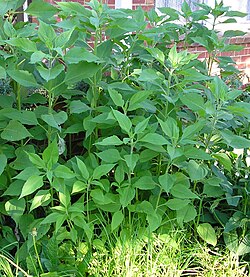
The Jerusalem artichoke (*Helianthus tuberosus*) is a hardy perennial that can reach heights of 1.5 to 3 meters (approximately 5 to 10 feet). Its growth pattern is distinctive, featuring opposite leaves on the lower part of the stem that transition to an alternate arrangement toward the top. The leaves are known for their rough, hairy texture; those found on the lower stem can be broad and ovoid, reaching up to 30 cm (12 inches) in length.
Flowers and Blooms
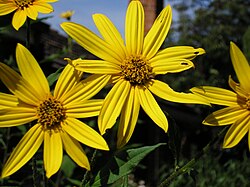
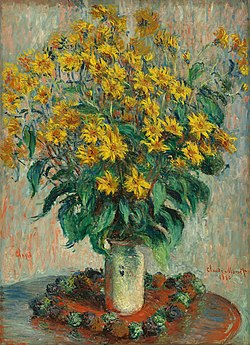
During the flowering season, the plant produces bright yellow, capitate (head-shaped) flowerheads. These blooms typically measure between 5 and 10 cm in diameter and consist of 10 to 20 ray florets and at least 60 small disc florets. One of the most pleasant surprises for gardeners is the flower's brief, light fragrance, which carries a subtle scent of vanilla and chocolate.
The Edible Tuber
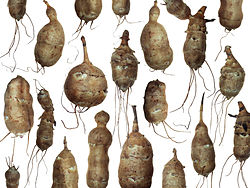
The most economically important part of the plant is the tuber. These underground storage organs are often elongated and uneven, typically measuring 7.5 to 10 cm long and 3 to 5 cm thick. Resembling ginger root in appearance, the tubers can vary in color from pale brown and white to shades of red or purple. When eaten raw, they offer a crisp, crunchy texture.
History and Etymology
Despite its name, the Jerusalem artichoke has no biological connection to the city of Jerusalem, nor is it a true artichoke. While they both belong to the Asteraceae (daisy) family, they are distantly related. The name likely stems from a linguistic corruption; Italian settlers in the United States referred to the plant as girasole (the Italian word for sunflower). Over time, English speakers transformed "girasole" into "Jerusalem."
Other names for the plant reflect its diverse cultural journey. The term topinambur is thought to be linked to the Tupinambá, a Brazilian coastal tribe, due to a historical conflation of New World connections. In the 1960s, produce wholesaler Frieda Caplan coined the term "sunchoke" in an attempt to modernize the plant's image and increase its commercial appeal.
Culinary Uses and Nutrition
Jerusalem artichokes are incredibly versatile in the kitchen. The tubers can be eaten raw in salads, cooked, or pickled. Because they contain a high amount of inulin—a complex carbohydrate that converts to fructose as the tuber ages—they possess an underlying sweetness that is about 1.5 times sweeter than standard sucrose.
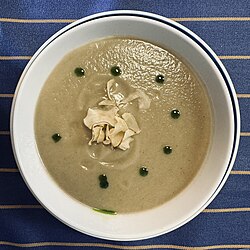
While delicious, the high inulin content can affect digestion. Because the human digestive system cannot break down inulin, it travels to the colon where bacteria metabolize it. This process can lead to flatulence or gastric discomfort in some individuals. To maintain a better texture during cooking, steaming is often preferred over boiling, as boiling can cause the tubers to become soft and mushy.
Nutritional Profile
The Jerusalem artichoke is a nutrient-dense vegetable. It is particularly high in potassium and iron, and provides significant amounts of dietary fiber, niacin, thiamine, phosphorus, and copper. Unlike many other root vegetables, it contains very little oil and minimal starch.
Cultivation and Biological Characteristics
Growing Jerusalem artichokes is relatively straightforward due to their low nutrient requirements and high competitiveness against weeds. They are highly productive, with tuber yields typically ranging from 16 to 20 tonnes per hectare. However, they are so vigorous that they can be difficult to remove from a garden once established, as small tubers often remain in the soil after harvest. This competitiveness may be due to allelopathic effects, a biological phenomenon where a plant releases chemicals to inhibit the growth of surrounding vegetation.
The plant is also resilient, with tubers capable of surviving winter temperatures as low as −30 °C (−22 °F). Beyond food, the plant has potential uses in renewable energy, such as the production of ethanol fuel.
Key Facts
- Scientific Name: Helianthus tuberosus
- Common Names: Sunchoke, sunroot, topinambur, and earth apple.
- Primary Nutrient: Rich in inulin (8% to 13%), a prebiotic carbohydrate.
- Flavor Profile: Naturally sweet due to fructose content.
- Growth Habit: A hardy, tall perennial (1.5–3m) from the sunflower family.
- Climate Resilience: Can withstand temperatures as low as −30 °C.
Summary of Nutritional Value (per 100g)
| Nutrient | Amount |
|---|---|
| Energy | 73 kcal |
| Carbohydrates | 17.44 g |
| Sugars | 9.6 g |
| Dietary Fiber | 1.6 g |
| Protein | 2 g |
| Fat | 0.01 g |
Frequently Asked Questions
Is the Jerusalem artichoke a real artichoke?
No. While they are both members of the Asteraceae (daisy) family, they are different plants. The name "artichoke" was applied because early explorers noted the cooked tuber had a flavor similar to a true artichoke.
Why does eating Jerusalem artichokes cause gas?
This is due to the high inulin content. Since humans cannot digest inulin, it reaches the colon where gut bacteria ferment it, a process that produces gas as a byproduct.
Can I eat the tubers raw?
Yes, Jerusalem artichokes can be eaten raw. When sliced thinly, they have a crisp, crunchy texture and a sweet, nutty flavor that makes them suitable for salads.
Is it easy to grow in a home garden?
They are very easy to grow because they require little nitrogen and are highly competitive against weeds. However, be aware that they can be invasive; because they spread easily via tubers, they can be difficult to eradicate once they have taken hold.
What is the difference between a sunchoke and a Jerusalem artichoke?
There is no difference; "sunchoke" is simply a modern name coined in the 1960s to make the vegetable more commercially appealing to consumers.