Jerry Lee Lewis: The Wild Man and Pioneer of Rock and Roll
Jerry Lee Lewis was more than just a musician; he was a force of nature who helped define the raw, energetic spirit of early rock and roll. Known for his flamboyant stage presence and virtuosic piano skills, Lewis blended gospel, boogie-woogie, and country music to create a sound that was as provocative as it was influential. From his early days in Memphis to his later success in country music, his career was a whirlwind of musical brilliance and personal controversy.
His journey began in 1949 when, at the age of 14, he made his public debut by sitting in with a local country and western band in a Ford dealership parking lot. This early exposure to live performance set the stage for a career that would span over seven decades.
Key Facts
- Born: September 29, 1935, in Nesbit, Mississippi.
- Died: October 28, 2022, at age 87.
- Musical Style: A pioneer of rockabilly (a blend of rock and roll and country) and a master of boogie-woogie.
- Key Labels: Sun, Smash, Mercury, Sire, Warner Bros., and MCA.
- Notable Group: Member of the legendary Million Dollar Quartet.
- Instruments: Piano and vocals.
The Rise of "The Killer"
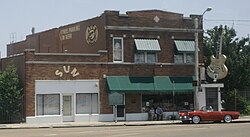
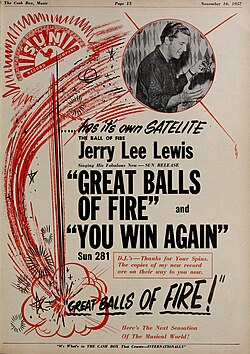
Lewis's career skyrocketed during his time with Sun Records in Memphis, Tennessee. Under the guidance of Sam Phillips, he recorded some of the most iconic singles in music history. His high-energy performances and aggressive piano style earned him the nickname "The Killer."
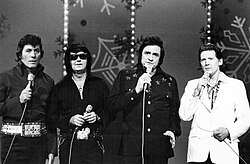
During this era, he was part of the Million Dollar Quartet, an informal group that included other future legends like Elvis Presley, Johnny Cash, and Carl Perkins. This period cemented his place as a foundational figure in the birth of rock and roll.
Controversy and Career Shifts
Despite his musical success, Lewis's personal life often overshadowed his professional achievements. In 1957, a major controversy erupted regarding his marriage to his cousin, Myra Gale Brown. The resulting public backlash severely impacted his popularity in the rock and roll scene, leading him to transition toward other genres.
He later found a second wind in the country music world. His ability to navigate honky-tonk (a style of country music played in bars) and traditional country songs allowed him to make a successful comeback, eventually leading to appearances at the Grand Ole Opry.
Later Years and Musical Legacy
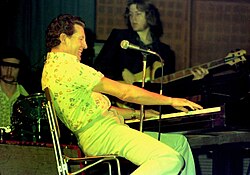
Throughout the 1970s and beyond, Lewis continued to record and perform, releasing albums such as The Session (1973) and Southern Roots: Back Home to Memphis (1973). Even in his later years, he remained a dedicated performer, touring internationally and recording new material well into the 21st century.
In 2019, Lewis suffered a stroke, which left him fearful that he might never play music again. However, he showed remarkable resilience, recording a new album of gospel covers during his recovery.

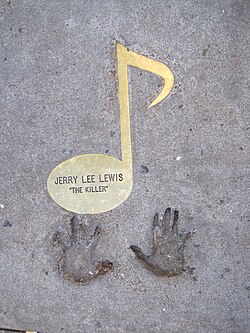
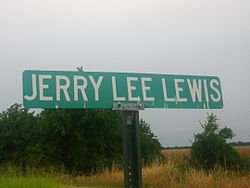
His enduring influence is visible today through various tributes, including the Beale Street Walk of Fame in Memphis and the naming of Jerry Lee Lewis Avenue in Ferriday, Louisiana.


Personal Life and Challenges
Lewis's personal life was marked by volatility. He was married seven times, including a brief marriage to Dorothy Barton when he was 16. His later years were also touched by legal and financial struggles, including a public intoxication arrest in 1976 and a bankruptcy petition filed in 1988.
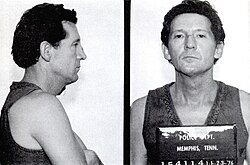
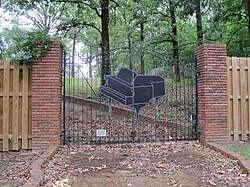
He spent much of his later life at his ranch in Nesbit, Mississippi, where he remained a symbol of the rebellious spirit of early American music until his death in October 2022.
Career Summary
| Category | Details |
|---|---|
| Active Years | 1949–2022 |
| Primary Genres | Rock and roll, Rockabilly, Country, Gospel, Boogie-woogie |
| Key Instruments | Piano, Vocals |
| Major Labels | Sun, Smash, Mercury, MCA |
| Notable Works | Jerry Lee Lewis (1958), The Session (1973), Last Man Standing (2006) |
Frequently Asked Questions
What was Jerry Lee Lewis's nickname?
He was widely known as "The Killer," a name that reflected his aggressive and high-energy style of piano playing.
Which record label launched his early career?
Jerry Lee Lewis began his most famous recording career at Sun Records in Memphis, Tennessee.
What was the Million Dollar Quartet?
The Million Dollar Quartet was a group consisting of Jerry Lee Lewis, Elvis Presley, Johnny Cash, and Carl Perkins.
Did Jerry Lee Lewis play music other than rock and roll?
Yes, he was highly versatile and recorded extensively in the country, gospel, blues, and honky-tonk genres.
How many times was Jerry Lee Lewis married?
Jerry Lee Lewis was married seven times throughout his life.