Ithaca, New York: A Hub of Education, Nature, and Culture
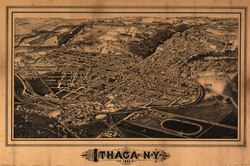
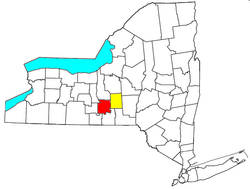
Nestled in the heart of Tompkins County, Ithaca is a vibrant city in New York State known for its stunning natural landscapes and world-class academic institutions. Founded in 1790 and incorporated in 1888, the city takes its name from Ithaca, Greece, reflecting a spirit of intellectual curiosity and exploration. Today, it serves as a cultural and economic center for the region, blending a small-town feel with the energy of a global educational hub.
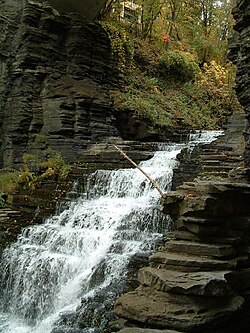
The city is defined by its dramatic geography, characterized by deep gorges and cascading waterfalls that have made it a destination for nature lovers and scientists alike.
Key Facts
- Founded: 1790
- Population: 32,108 (2020 Census); estimated 33,768 (2024)
- Major Institutions: Cornell University and Ithaca College
- Government: Council–manager system led by Mayor Robert Cantelmo
- Geography: Located in Tompkins County with a land area of 5.39 square miles
- Sister Cities: Eldoret, Kenya and Pokhara, Nepal
Geography and Climate
Ithaca is situated at an elevation of 404 feet and is famous for its unique topography. The city is carved by waterways that create scenic vistas and significant geological interest. The urban area extends to approximately 24.58 square miles, while the broader metropolitan area covers 474.65 square miles.
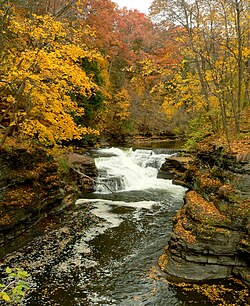
The climate in Ithaca is characterized by distinct seasons. Winters are cold and snowy, with record lows reaching -25°F. Summers are warm and humid, with record highs hitting 103°F. The city receives significant annual precipitation, averaging 38.29 inches, which sustains the lush greenery and numerous waterfalls throughout the region.
Demographics and Community

The population of Ithaca has seen steady growth over the last century, rising from 8,462 in 1870 to over 32,000 by 2020. The community is diverse, influenced heavily by the international student and faculty populations of its universities.
According to the 2020 Census, the racial composition of the city is 63.8% White, 16.6% Asian, 6.4% Black or African American, and 10% Hispanic or Latino. The most reported ancestries include German (12.6%), Irish (11.6%), and English (11.2%).
Education and Culture

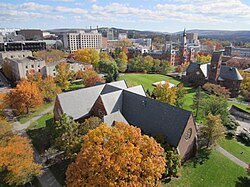
Education is the cornerstone of Ithaca's identity. The city is home to Cornell University, an Ivy League institution, and Ithaca College. These schools drive the local economy and contribute to a rich cultural scene.
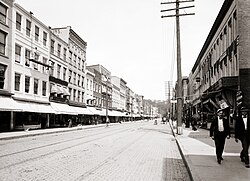
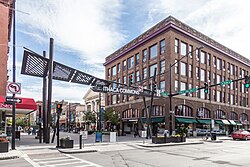
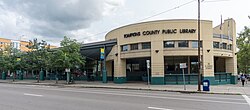
The city's cultural offerings range from the Herbert F. Johnson Museum of Art to the Sciencenter. The Ithaca Commons serves as a pedestrian-friendly hub for shopping and dining, while the Tompkins County Public Library provides essential community resources.
Economy and Infrastructure
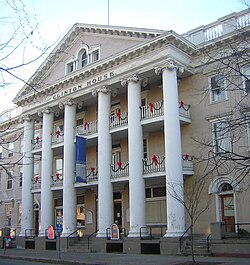
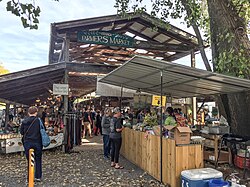
Ithaca's economy is a blend of higher education, agriculture, and local commerce. The Ithaca Farmer's Market at Steamboat Landing is a prominent example of the city's connection to local agricultural production.
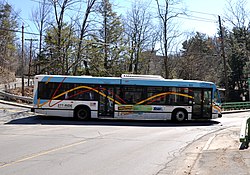
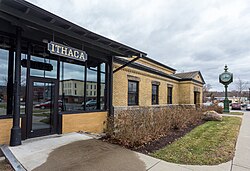
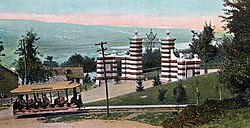
Transportation in the city is facilitated by a variety of modes. Local transit is provided by TCAT buses, while the Ithaca Tompkins International Airport connects the city to broader regions. Historically, the city was served by the Lehigh Valley Railroad and a streetcar system.

City Overview Summary
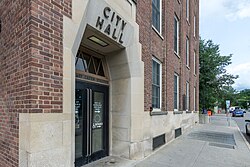
| Category | Detail |
|---|---|
| County | Tompkins |
| City Area | 6.07 sq mi |
| 2020 Population | 32,108 |
| Elevation | 404 ft |
| Area Code | 607 |
| Government Type | Council–manager |
Points of Interest

Visitors and residents can explore a wide array of natural and man-made attractions:
- State Parks: Buttermilk Falls, Robert H. Treman, and Taughannock Falls.
- Academic & Scientific: Museum of the Earth, Cornell Botanic Gardens, and the Sagan Planet Walk.
- Local Landmarks: Ithaca Falls, Stewart Park, and the Ithaca Diner.
Frequently Asked Questions

What are the main colleges in Ithaca?
Ithaca is home to Cornell University, an Ivy League institution, and Ithaca College.
What is the climate like in Ithaca?
Ithaca experiences a four-season climate with cold, snowy winters and warm, humid summers, with an average annual precipitation of about 38.29 inches.
How is the city of Ithaca governed?
The city operates under a council-manager government system, with a Common Council and a Mayor.
What are some of the best natural attractions in the area?
Notable natural sites include Taughannock Falls State Park, Buttermilk Falls State Park, and the various gorges like Cascadilla Creek.
What is the demographic makeup of the city?
As of the 2020 Census, the population is approximately 63.8% White, 16.6% Asian, 6.4% Black or African American, and 10% Hispanic or Latino.