Ithaca, New York: A Blend of Natural Beauty and Academic Excellence
Nestled in the heart of New York's Finger Lakes region, Ithaca is a city defined by its dramatic landscapes, prestigious educational institutions, and a vibrant community spirit. Named after the Greek island of the same name, this Tompkins County hub offers a unique intersection of academic rigor and breathtaking natural wonders.
Whether you are drawn to the cascading waterfalls that characterize the local geography or the intellectual energy of its world-class universities, Ithaca provides a multifaceted experience for residents and visitors alike.

Key Facts

- Founded: 1790
- Incorporated: 1888
- Population: Approximately 33,768 (2024 estimate)
- Primary Institutions: Cornell University and Ithaca College
- Government Type: Council–manager system
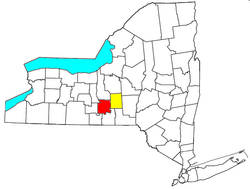
- Geography: Located in Tompkins County, New York
Geography and Climate
Ithaca is situated at an elevation of 404 feet, characterized by a landscape shaped by deep gorges and flowing water. The city's geography is integral to its identity, featuring prominent landmarks such as Ithaca Falls and the scenic Hemlock Gorge.
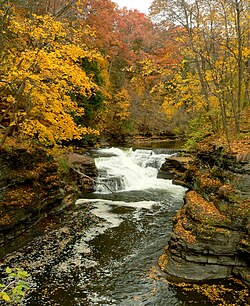
The local climate experiences distinct seasonal shifts. Summers are warm, with mean daily maximum temperatures reaching the high 70s or low 80s Fahrenheit, while winters can be quite cold, with record lows reaching as low as -25°F. Precipitation is distributed throughout the year, with significant snowfall occurring during the winter months.
Climate Overview
| Month | Mean Max Temp (°F) | Mean Min Temp (°F) | Avg Precipitation (in) | Avg Snowfall (in) |
|---|---|---|---|---|
| January | 31.0 | 14.6 | 2.24 | 16.6 |
| April | 54.5 | 32.9 | 3.40 | 2.8 |
| July | 79.9 | 57.9 | 3.90 | 4.6 |
| October | 59.0 | 38.9 | 3.70 | 0.0 |
History and Development
The history of Ithaca dates back to its founding in 1790. Over the centuries, it has evolved from a small settlement into a bustling urban center. The city was officially incorporated in 1888, marking a significant milestone in its administrative development.
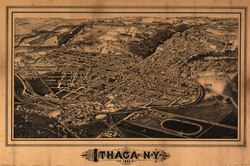
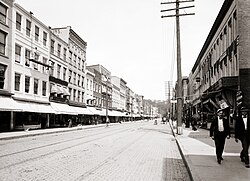
The 19th and early 20th centuries saw significant growth, influenced by the expansion of the railroad and the establishment of major institutions. Historical records show a steady increase in population, which saw a notable surge during the mid-20th century.
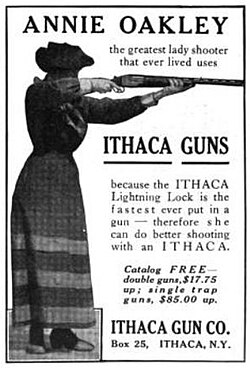
The city's industrial past is also reflected in its heritage, including local manufacturing such as the Ithaca Gun Company, which produced notable items like the Annie Oakley gun.
Education and Culture
Ithaca is perhaps most famous for its role as an educational powerhouse. Cornell University, a major research institution, and Ithaca College serve as the primary anchors for the city's intellectual and economic life.
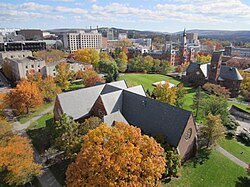
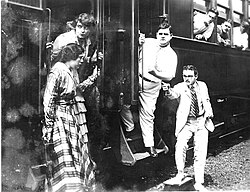
The cultural landscape is enriched by various museums, such as the Herbert F. Johnson Museum of Art, and a thriving arts scene. The city's connection to the silver screen is also noted through historical productions like those from Wharton Studio.
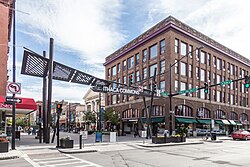
Downtown Ithaca features the Ithaca Commons, a central hub for shopping, dining, and community gatherings. The area is a focal point for local life and social interaction.
Transportation and Infrastructure
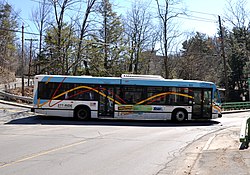
Connectivity in Ithaca is provided through a variety of modes, including local bus services (TCAT), regional railways, and the Ithaca Tompkins International Airport. The city's infrastructure supports both local commuting and broader regional travel.

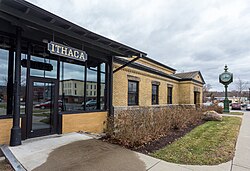
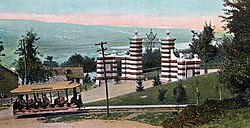
Historically, the Lehigh Valley Railroad and various streetcar lines played a vital role in the city's movement, with some historic structures, like the refurbished Lehigh Valley station, still standing today.
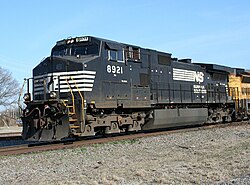
Modern transportation also includes heavy rail, with locomotives such as those from Norfolk Southern operating through the region.
Community and Living
Ithaca is a diverse community with a population that has grown steadily into the 21st century. The city's demographics reflect a mix of various racial and ethnic backgrounds, including significant Asian and Hispanic/Latino populations.
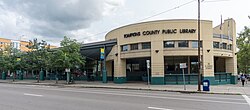
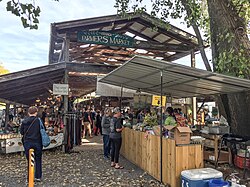
Public amenities, such as the Tompkins County Public Library and various parks, contribute to the high quality of life for residents. Local markets, like the one at Steamboat Landing, offer a taste of the community's agricultural connections.
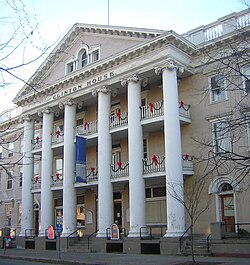
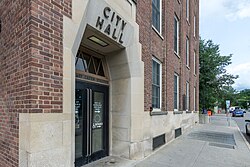
The city's architecture also tells a story, from the historic Clinton House to the modern Ithaca City Hall.
Frequently Asked Questions
What are the major universities in Ithaca?
The two primary higher education institutions in Ithaca are Cornell University and Ithaca College.
How is the weather in Ithaca typically?
Ithaca experiences four distinct seasons, with warm summers and cold, snowy winters.
What is the Ithaca Commons?
The Ithaca Commons is a central pedestrian-friendly area in downtown Ithaca used for shopping, dining, and community events.
How can I travel around the city?
Local transportation is available via TCAT buses, and the city is also served by the Ithaca Tompkins International Airport and regional rail services.
What is the population of Ithaca?
As of 2024 estimates, the city's population is approximately 33,768.