Italy: A Comprehensive History from Antiquity to the Modern Republic
Italy is a land of profound historical depth, inhabited by humans since the Paleolithic era. From the early settlements of the Italic peoples to the global influence of the Roman Empire and the artistic rebirth of the Renaissance, the Italian peninsula has served as a central pillar of Western civilization. Its journey from a fragmented collection of city-states to a unified modern republic is a saga of cultural brilliance, political turmoil, and resilience.
Key Facts
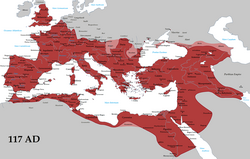
- Founding of Rome: Traditionally established as a kingdom in 753 BC, later becoming a republic in 509 BC.
- The Renaissance: A transformative period of humanism, science, and art that began in Italy and spread across Europe.
- Unification: The process of creating a single Italian nation-state under the House of Savoy, culminating in the Kingdom of Italy in 1861.
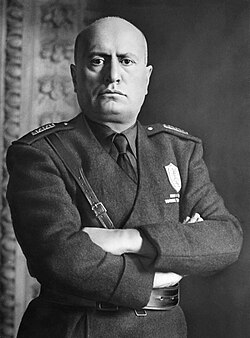
- Fascist Era: The dictatorship of Benito Mussolini, who ruled from 1922 to 1943.
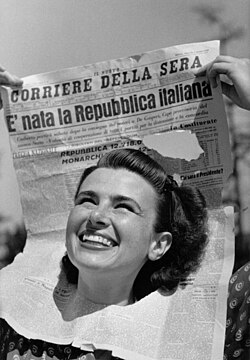
- Modern State: Italy transitioned to a republic in 1946 following World War II.
Ancient Italy and the Rise of Rome
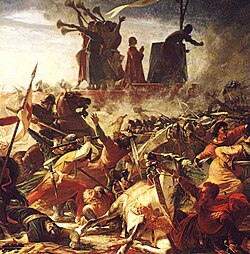
Before the dominance of Rome, the peninsula was a mosaic of diverse cultures. These included the Etruscans, Latins, Samnites, Umbri, and Cisalpine Gauls. In the south, the Greeks established colonies known as Magna Graecia (Great Greece), blending Hellenic culture with local traditions.
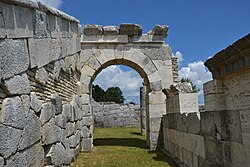
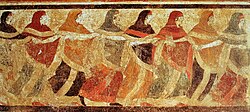
![Ancient Greek colonies and their dialect groupings in Magna Graecia[44] NW Greek Achaean Doric Ionian](/images/6f/65/6f6559a28476b1b491ffa20d06b2ecd2b06387de3561d806fa27e065e1fe74fc.webp)
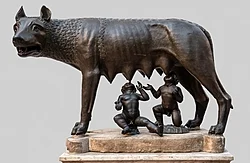
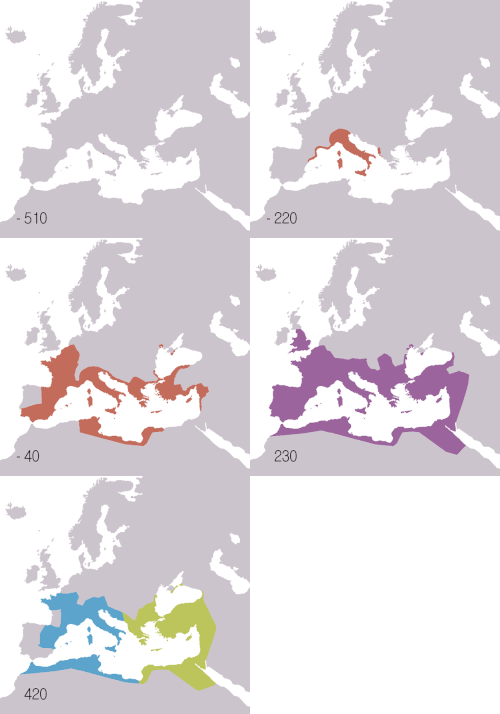
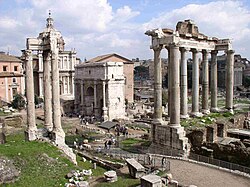
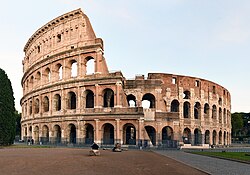
The most influential of these cultures was the Roman civilization. Starting as a small kingdom, Rome evolved into a Republic in 509 BC, eventually unifying the Italic peoples into a confederation. By 27 BC, the Roman Empire was established, ruling the Mediterranean for centuries and leaving an indelible mark on Western philosophy, law, and art.
![The Augustus of Prima Porta, 1st century AD, depicting Augustus, the first Roman emperor. He reorganized Italy into 11 regiones.[67]](/images/46/05/4605b0d6ca9c2a56ff91dd00bd2e1804cbaa3459a704604123032313e6363008.jpg)
The Middle Ages and the Renaissance
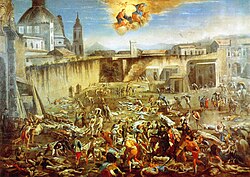
Following the fall of the Western Roman Empire, Italy entered a period of fragmentation. Power shifted between the Ostrogoths, Byzantines, and Longobards, and later the Holy Roman Empire. This era saw the rise of powerful city-states and maritime republics—most notably Venice and Genoa—which grew wealthy through Mediterranean trade.
While the north fragmented, Southern Italy was governed by a succession of dynasties, including the Normans, Swabians, Angevins, and the crowns of Aragon, France, and Spain. Central Italy remained largely under the control of the Papal States, the territories governed by the Pope.
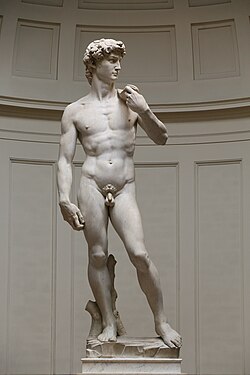
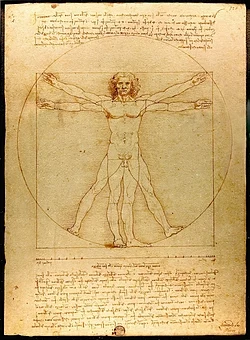
This environment of competition and wealth paved the way for the Renaissance, a period of renewed interest in humanism and science. This era produced some of history's greatest masterpieces and explorers, such as Christopher Columbus, who introduced the modern era of global exploration.
![Marco Polo, explorer of the 13th century, recorded his 24 years-long travels in the Book of the Marvels of the World, introducing Europeans to Central Asia and China.[86]](/images/d8/8d/d88d61e6001e012c499bca14a84a1dfdddb259de7d90b4c592e5b29a4e6c5f6a.jpg)
Unification and the Kingdom of Italy
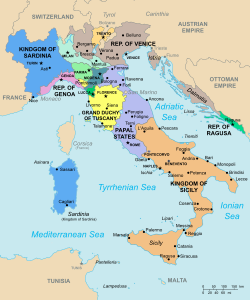
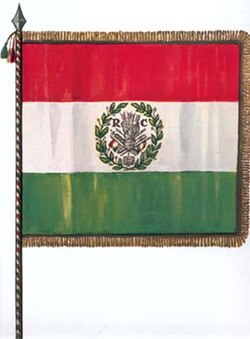
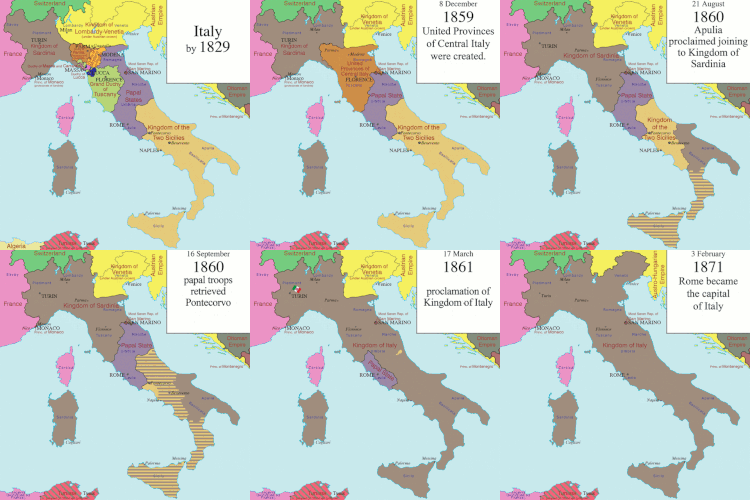
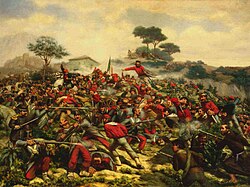
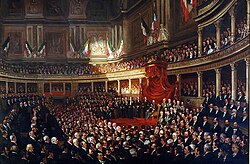
The 19th century marked the Risorgimento, or the movement for Italian unification. Under the leadership of the House of Savoy, various states were merged to form the Kingdom of Italy in 1861. However, this unification brought challenges; the "Southern Question" emerged as the rural south remained impoverished compared to the industrializing north, leading to a massive Italian diaspora.
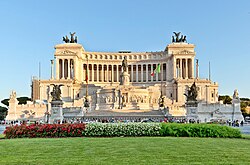
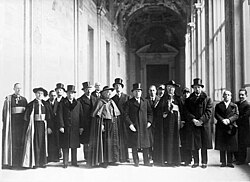
The Roman Question referred to the hostile relationship between the new Italian government and the Papacy after the annexation of Rome in 1870. This dispute lasted sixty years until the Lateran Treaty of 1929 established Vatican City as an independent sovereign state.
The Fascist Era and World War II
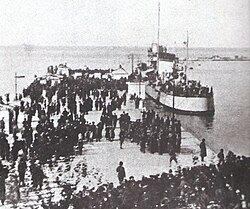
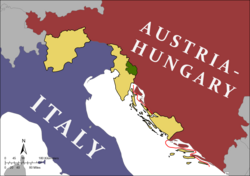
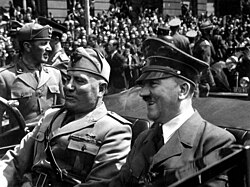
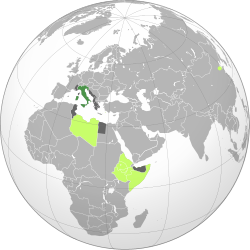
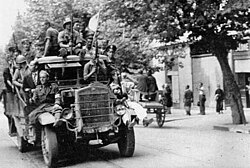
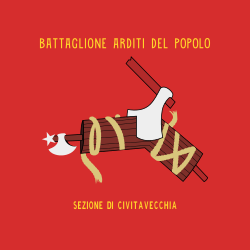
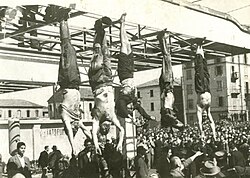
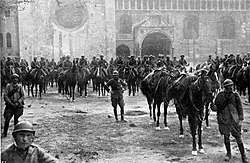
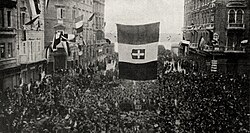
Following World War I, Italy felt a sense of "mutilated victory" due to perceived failures in the Treaty of London (1915). This nationalist frustration fueled the rise of Benito Mussolini, who established a fascist dictatorship in 1922. Mussolini sought to expand Italian influence, creating a colonial empire in Africa and the Mediterranean.
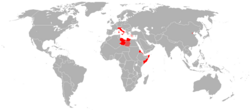
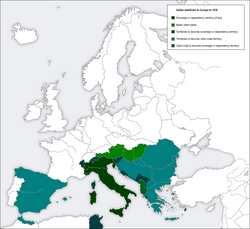
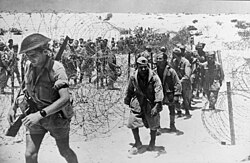
During World War II, Italy joined the Axis powers. However, the tide turned in 1943, leading to the surrender to the Allies and a subsequent occupation by Nazi Germany. A period of fierce resistance and co-belligerence with the Allies eventually led to the liberation of the country.
The Modern Republic
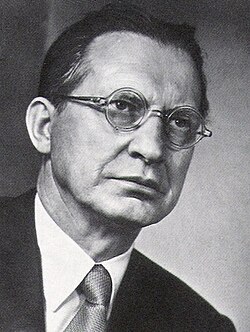
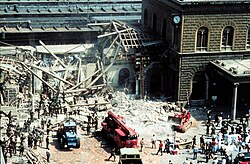
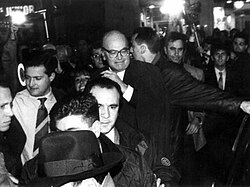
In 1946, Italy officially became a republic. The post-war era was defined by the economic miracle, a period of rapid industrial growth symbolized by the launch of the Fiat 500 in 1957. Despite this success, the late 20th century saw political instability, including the "Years of Lead" marked by terrorism and the Tangentopoli corruption scandals of the early 1990s.
![The Fiat 500, launched in 1957, is considered a symbol of Italy's economic miracle.[244]](/images/64/e1/64e1d88f2c46610ce7c27c7dd59bf5c2f68548b1ea0c419fdff62f15fa9e8eed.jpg)
Italy continues to evolve as a key member of the European Union. In October 2022, Giorgia Meloni was sworn in as the nation's first female prime minister, marking a new chapter in the country's political history.

| Era | Key Characteristics | Major Entities/Figures |
|---|---|---|
| Antiquity | Rise of city-states and Roman dominance | Etruscans, Roman Republic, Roman Empire |
| Middle Ages | Fragmentation and maritime trade | Venice, Genoa, Papal States |
| Renaissance | Cultural and scientific rebirth | Leonardo da Vinci, Michelangelo |
| Unification | Creation of the nation-state | House of Savoy, Garibaldi |
| Fascist Era | Totalitarian rule and WWII | Benito Mussolini |
| Republic | Democracy and economic growth | Alcide De Gasperi, Giorgia Meloni |
Frequently Asked Questions
What was the "Roman Question"?
The Roman Question was the long-standing diplomatic and political conflict between the Kingdom of Italy and the Papacy after the Italian state annexed Rome in 1870, which the Pope resisted. It was resolved in 1929 with the Lateran Treaty.
What were the maritime republics?
Maritime republics were sovereign city-states, such as Venice and Genoa, that dominated Mediterranean trade and naval power during the Middle Ages.
Who was responsible for the unification of Italy?
The unification (Risorgimento) was led by the House of Savoy and supported by figures like Giuseppe Garibaldi, resulting in the proclamation of the Kingdom of Italy in 1861.
What was the "economic miracle"?
The economic miracle refers to the period of rapid industrialization and economic growth Italy experienced following World War II, particularly in the 1950s and 60s.
When did Italy become a republic?
Italy transitioned from a monarchy to a republic in 1946 following a national referendum after the end of World War II.