Isidro Casanova: A History of Growth and Community
The story of Isidro Casanova is one of transformation, evolving from a rural landscape of livestock farming into a recognized city. Its development was driven by waves of immigration and the strategic expansion of the railway system, which connected the region to the broader economic networks of Argentina.
Early Foundations and Agricultural Roots
Around 1850, the area that now comprises Isidro Casanova was primarily used for cattle ranches and dairy farms. These early agricultural ventures were established by German Argentine immigrants, who laid the groundwork for the region's initial economic activity.
The Impact of the Railway
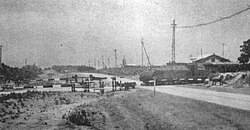
The arrival of the Buenos Aires Midland Railway (Ferrocarril Midland de Buenos Aires) in 1909 served as a catalyst for rapid growth. The railway extended southwest into the area, leading to the inauguration of the San Sebastián station. This infrastructure was quickly bolstered by the addition of a railyard in 1910.
In 1911, the Carhué station was opened. While the town does not have a formal, documented establishment date, May 15 of that year was later adopted as the official date of its foundation.
Industrialization and Urban Identity
Shortly after the railway's expansion, the settlement saw its first major manufacturing establishment. This facility was founded by Isidro Casanova, an Italian Argentine immigrant. Following his death, the town was renamed in his honor to recognize his contributions to the local economy.
The town also became a cultural hub, specifically as the home of the largest Portuguese community in Argentina. To honor this unique distinction, one of the town's primary streets was named República de Portugal.
The growth of the settlement culminated on August 29, 1974, when the Provincial Legislature officially recognized Isidro Casanova as a city. For those seeking a deeper dive into these events, local historian Alejandro Enrique published a comprehensive two-volume history of the area in 2010.
Key Facts
- Foundation Date: Acknowledged as May 15, 1911.
- City Status: Officially recognized by the Provincial Legislature on August 29, 1974.
- Railway Influence: Developed via the Buenos Aires Midland Railway with San Sebastián and Carhué stations.
- Cultural Significance: Hosts the largest Portuguese community in Argentina.
- Early Economy: Originally based on dairy farms and cattle ranches established by German immigrants.
| Year/Date | Event |
|---|---|
| c. 1850 | Establishment of cattle ranches and dairy farms by German immigrants |
| 1909 | Arrival of Buenos Aires Midland Railway and opening of San Sebastián station |
| 1910 | Opening of the railyard |
| May 15, 1911 | Opening of Carhué station and acknowledged foundation date |
| August 29, 1974 | Official recognition as a city by the Provincial Legislature |
| 2010 | Publication of a two-volume history by Alejandro Enrique |
Frequently Asked Questions
Who was Isidro Casanova?
Isidro Casanova was an Italian Argentine immigrant who established the town's first significant manufacturing plant. The town was later renamed in his honor.
When was Isidro Casanova officially founded?
Although there is no specific establishment date, May 15, 1911, is recognized as the foundation date of the town.
What is the significance of the street República de Portugal?
The street is named República de Portugal to honor the fact that Isidro Casanova is home to the largest Portuguese community in Argentina.
How did the railway contribute to the town's growth?
The Buenos Aires Midland Railway brought essential infrastructure to the area, including the San Sebastián station (1909), a railyard (1910), and the Carhué station (1911), which facilitated transport and industry.
When did Isidro Casanova become a city?
The Provincial Legislature officially recognized Isidro Casanova as a city on August 29, 1974.