Iron Age History: The Global Transition to Metal Metallurgy
The Iron Age represents a transformative era in human history, marked by the widespread adoption of iron metallurgy for tools, weapons, and various implements. This period followed the Bronze Age and fundamentally altered the technological landscape of civilizations across the globe. While the transition occurred at different times depending on the region, the ability to harness iron revolutionized agriculture, warfare, and social structures.
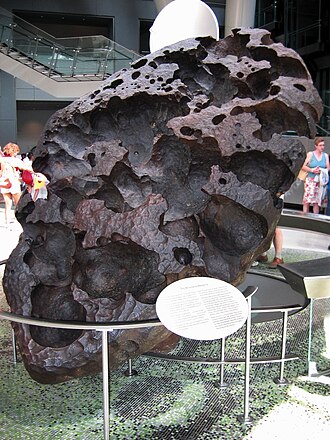
Unlike the components of bronze—copper and tin—which could be melted using the relatively moderate temperatures available in Neolithic kilns, iron requires significantly higher temperatures. To successfully smelt terrestrial iron, temperatures exceeding 1,250 °C (2,280 °F) are necessary, a technological threshold that was not commonly achieved until the end of the second millennium BC.
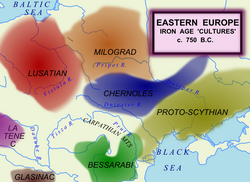
Key Facts
- Global Reach: The Iron Age occurred at different times worldwide, from c. 1300 BC in Anatolia to c. 5th century BC in Northern Europe.
- Technological Shift: Iron smelting requires temperatures above 1,250 °C, making it more difficult to produce than bronze.
- African Origins: Evidence suggests independent and early iron metallurgy in sub-Saharan Africa, with some sites dating back to 3000–2500 BC.
- European Cultures: The prehistoric Iron Age in Central Europe is defined by the Hallstatt and La Tène cultures.
- Near East Transition: In the ancient Near East, the transition coincided with the Late Bronze Age collapse during the 12th century BC.
The Origins and Spread of Iron Technology
The Ancient Near East and Mediterranean
In Anatolia and the Caucasus, the Iron Age began around 1300 BC. In the ancient Near East, this transition was closely linked to the Late Bronze Age collapse during the 12th century BC. From this region, the technology spread through the Mediterranean basin and into South Asia between the 12th and 11th centuries BC.
African Metallurgy
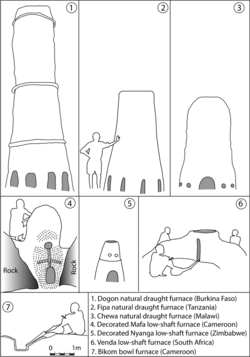
Recent archaeological studies have highlighted the significance of Africa in the history of metallurgy. Evidence indicates that iron technology in sub-Saharan Africa may have an independent origin, with some sites revealing dates as early as 3000–2500 BC. In Nigeria, the Nok culture practiced iron smelting by approximately 1000 BC, while the Djenné-Djenno culture in Mali shows iron production from around 250 BC.
European Development
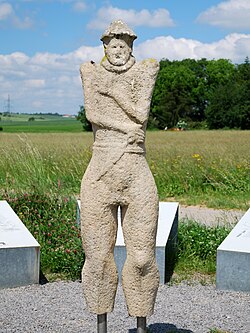
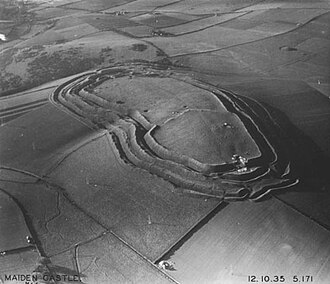
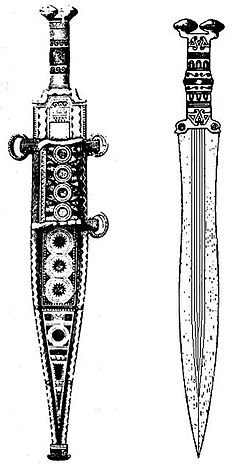
Iron working was introduced to Europe in the late 11th century BC, likely originating from the Caucasus. It spread slowly north and west over several centuries. In Central Europe, the era is categorized into two distinct cultural phases:
- Hallstatt Culture: Spanning roughly 1200–475 BC, characterized by flat graves, polychrome pottery, and heavy iron and bronze swords.
- La Tène Culture: Spanning roughly 450–15 BC, known for S-shaped and spiral designs, iron swords, and advanced tools like reaping-hooks and saws.
Regional Variations in Asia and South Asia
East and Southeast Asia
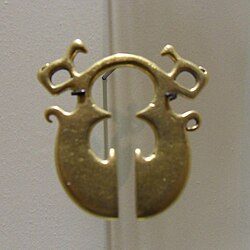
In China, iron metallurgy was established by the 9th century BC, with the technology reaching the Yangtze valley by the late 6th century BC. In Japan, iron tools and weapons are believed to have arrived during the late Yayoi or the succeeding Kofun period, likely via the Korean Peninsula or China.
South Asia
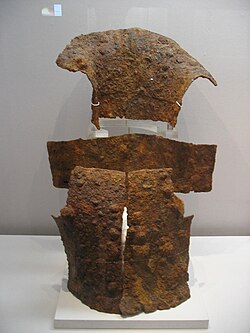
The history of metallurgy in the Indian subcontinent predates the 3rd millennium BC. While some archaeologists debate the exact chronology of early iron use, there is consensus that iron was used in the Ganges Plains a few centuries before the rise of urbanization around 600 BC. Sites such as Malhar show evidence of agricultural iron implements, including sickles and spearheads, by approximately 1500 BC.
Summary of Iron Age Chronology and Cultures
| Region | Approximate Start Date | Key Cultural/Technological Notes |
|---|---|---|
| Anatolia/Caucasus | c. 1300 BC | Early transition in the Near East |
| Sub-Saharan Africa | c. 3000–2500 BC | Independent invention of iron smelting |
| Central Europe | c. 800 BC | Hallstatt and La Tène cultures |
| China | c. 9th Century BC | Followed a period of bronze inscriptions |
| Northern Europe | c. 5th Century BC | Later adoption of iron technology |
Frequently Asked Questions
Why did the Iron Age start at different times in different places?
The transition depended on local technological capabilities, the availability of raw materials, and the specific cultural developments of each region. For example, while the Near East transitioned around 1200 BC, Northern Europe did not reach the Iron Age until the 5th century BC.
What is the main difference between Bronze and Iron metallurgy?
The primary difference is the temperature required for smelting. Bronze is made from copper and tin, which have relatively moderate melting points. Iron requires much higher temperatures—above 1,250 °C—which necessitated more advanced furnace technology.
Did iron technology originate in a single location?
No. Evidence suggests that iron metallurgy was developed independently in several regions, most notably in sub-Saharan Africa, where smelting technology appears to have native origins.
What were the Hallstatt and La Tène cultures?
These were the two primary prehistoric cultures of Central Europe during the Iron Age. The Hallstatt culture preceded the La Tène culture and is characterized by different pottery styles and weaponry.
How was iron produced in ancient times?
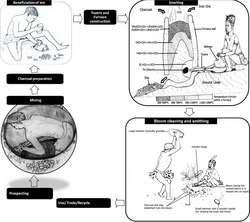
Iron was often produced using a bloomery, a type of furnace used to smelt iron ore. This process involved a sequence of acquiring raw materials, smelting them to create a mass of iron, and then smithing the metal into usable tools.