Ireland: A Comprehensive Overview of History, Governance, and Culture
Ireland, known in the native tongue as Éire, is a nation defined by its resilient spirit, rich cultural heritage, and a landscape of stunning natural beauty. From its historic struggle for independence to its current status as a high-income global economy, Ireland has evolved into a modern unitary parliamentary republic that balances deep-rooted traditions with a forward-looking approach to international trade and diplomacy.
Key Facts
- Capital: Dublin, the largest city in the country.
- Official Languages: Irish and English.
- Government: Unitary parliamentary republic.
- Currency: Euro (€).
- Population: Estimated at 5,458,600 as of April 2025.
- Economic Standing: Ranked 2nd globally in nominal GDP per capita (2026 estimate).
- HDI: 0.949 (Very High), ranking 11th globally (2023).
The Journey to Independence and Statehood
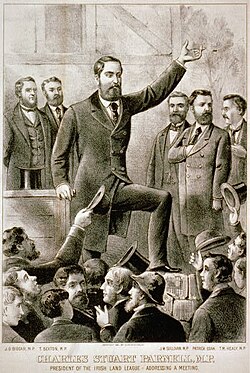
Ireland's path to sovereignty was marked by significant political movements and revolutionary conflict. The home-rule movement sought autonomy within the United Kingdom, championed by figures such as Charles Stewart Parnell, who formed the Irish Parliamentary Party in 1882.
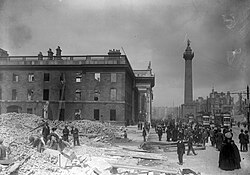
The drive for full independence intensified in the early 20th century, culminating in the Proclamation of the Irish Republic on April 24, 1916, during the Easter Rising. This period of revolution led to the Declaration of 1919 and eventually the Anglo-Irish Treaty signed on December 6, 1921.
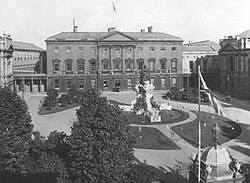
Following the treaty, the 1922 constitution established a new parliament known as the Oireachtas, with Dáil Éireann serving as the lower house. The state further solidified its identity with the 1937 Constitution of Ireland, a pivotal document introduced with the involvement of leaders like Éamon de Valera.
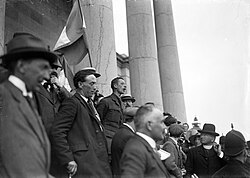
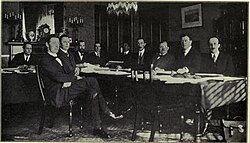
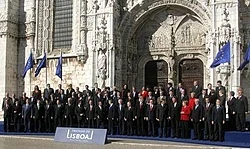
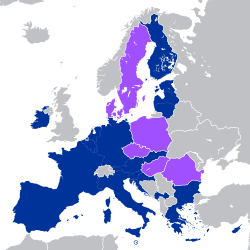
The Republic Act of April 18, 1949, formally declared Ireland a republic, severing final ties with the British monarchy. In more recent history, Ireland expanded its international horizons by joining the European Economic Community (now the European Union) in 1973 and later signing the Lisbon Treaty in 2007.
Geography and Environment
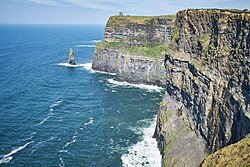
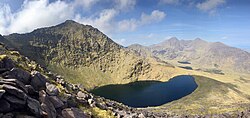
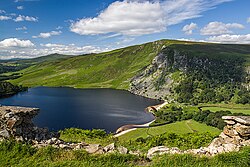
Ireland covers a total area of 70,273 square kilometers, characterized by a diverse landscape that ranges from rugged coastlines to mountainous interiors. The Atlantic coast is home to the iconic Cliffs of Moher, while the interior features the Wicklow Mountains National Park and MacGillycuddy's Reeks, the country's highest mountain range.
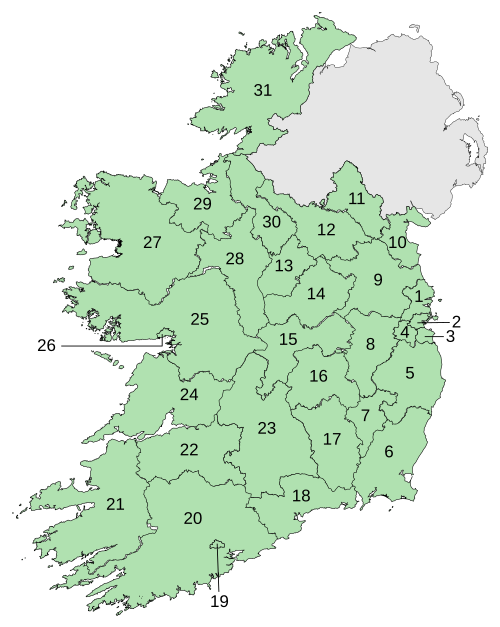
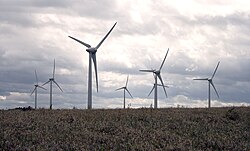
The country is divided into various administrative regions and counties, with Dublin serving as the primary urban hub. The climate is generally temperate, though the nation is increasingly investing in sustainable energy, as evidenced by the proliferation of wind farms in regions like County Wexford.
Government, Law, and Foreign Relations
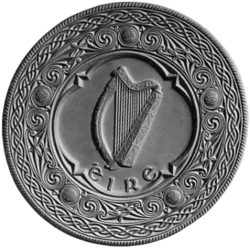
Ireland operates as a unitary parliamentary republic. The executive branch is led by the Taoiseach (Prime Minister) and the Tánaiste (Deputy Prime Minister), while the President serves as the head of state. The legislative power resides in the Oireachtas, consisting of the Seanad (Upper House) and the Dáil (Lower House).
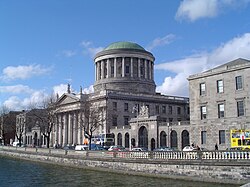
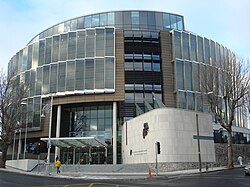
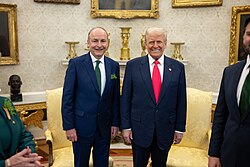
The legal system is anchored by the Four Courts, the principal building for civil matters, and the Criminal Courts of Justice. Ireland maintains a strong international presence, participating in UN affairs and maintaining close diplomatic ties with global powers, including the United States.
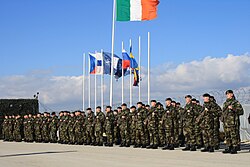
In terms of defense, the Irish Army contributes to international peacekeeping efforts, such as the Kosovo Force. As a member of the EU and the eurozone, Ireland is deeply integrated into the European economic and political framework.
Economy and Infrastructure
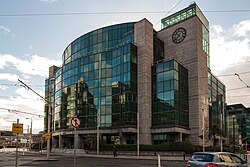
Ireland has emerged as a global economic powerhouse, particularly in the sectors of technology and finance. The International Financial Services Centre (IFSC) in Dublin is a testament to this growth. With a nominal GDP per capita estimated at $140,186 for 2026, Ireland ranks among the wealthiest nations per person.
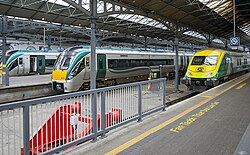
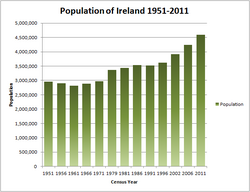
The transport network is supported by Iarnród Éireann (Irish Rail), connecting major cities like Dublin, Cork, Limerick, and Galway. The population has seen steady growth, reaching an estimated 5.45 million by 2025.
Major Urban Centers
| Rank | Settlement | Population |
|---|---|---|
| 1 | Dublin | 1,263,219 |
| 2 | Cork | 222,526 |
| 3 | Limerick | 102,287 |
| 4 | Galway | 85,910 |
| 5 | Waterford | 60,079 |
Demographics and Society
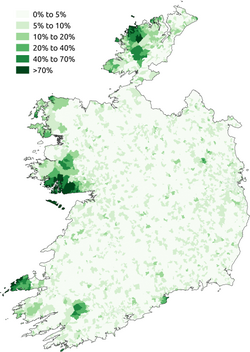
The Irish population is predominantly White Irish (76.6%), with a growing multicultural presence including Asian and Black communities. While the 2011 census showed varying levels of daily Irish language usage, both Irish and English remain official languages.
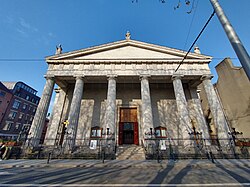
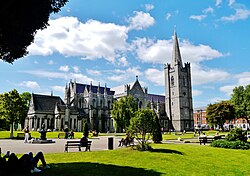
Religion continues to play a role in society, with Catholicism being the most prominent faith at 69.1%, though there is a significant and growing percentage of the population identifying as non-religious (14.5%).
Culture, Education, and Heritage
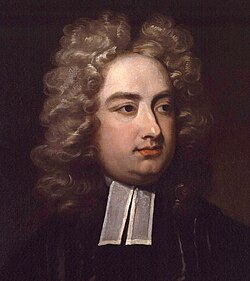
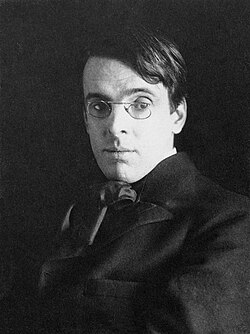
Ireland is world-renowned for its literary and artistic contributions. From the satirical works of Jonathan Swift to the poetry of W. B. Yeats, the nation has a profound literary legacy. In music, artists like Enya and the band U2 have achieved global success.
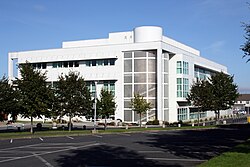
Education is a high priority, with institutions such as Trinity College Dublin and University College Cork providing world-class research and learning. The country also maintains a strong focus on healthcare and medical research, exemplified by the RCSI Disease and Research Centre.
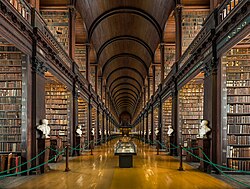
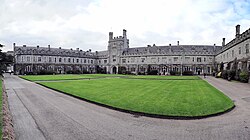
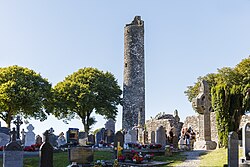
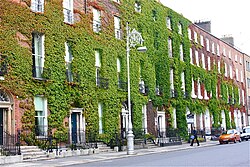
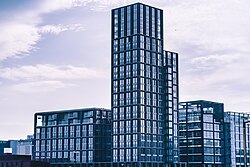
Architecturally, Ireland blends the ancient with the modern. Early Christian settlements like Monasterboice and the Georgian brickwork of Merrion Square coexist with contemporary landmarks like Capital Dock, the tallest building in the Republic.
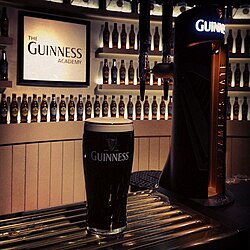
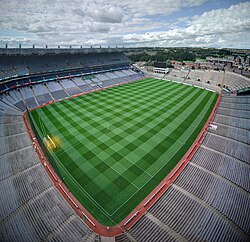
Irish culture is also celebrated through its unique sports, particularly those governed by the Gaelic Athletic Association (GAA) at Croke Park, and its globally recognized exports, such as Guinness.
Frequently Asked Questions
What is the Oireachtas?
The Oireachtas is the national parliament of Ireland, consisting of the President, the Seanad (Senate), and Dáil Éireann (the lower house).
Who are the current leaders of the Irish government?
The current government is led by President Catherine Connolly, Taoiseach Micheál Martin, and Tánaiste Simon Harris.
When did Ireland become a republic?
Ireland formally became a republic on April 18, 1949, following the Republic Act.
What are the official languages of Ireland?
The official languages of the Republic of Ireland are Irish and English.
How does Ireland's economy rank globally?
Ireland is highly ranked in terms of wealth per person, with 2026 estimates placing it 2nd in the world for nominal GDP per capita.