Ionian Islands Demographics and Population Trends
The Ionian Islands, a stunning archipelago in western Greece, possess a unique demographic profile that reflects both regional trends and broader national patterns. While the region is renowned for its beauty, its population dynamics reveal a complex interplay of migration, density, and shifting birth rates.
Population Overview and Density
As of 2011, the total population of the Ionian Islands stood at 207,855 residents. This figure represented a 1.5% decrease when compared to the population recorded in 2001, indicating a slight downward trend in the region's residency over a decade.
Despite this slight decline, the region maintains a high population density—the measurement of the number of people living per square kilometer. With 90.1 people per km², the Ionian Islands rank as the third most densely populated region in the country, surpassing the national average of 81.96 per km².
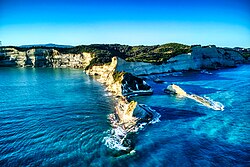
Distribution Across the Major Islands
The population is not evenly distributed across the archipelago. Corfu serves as the primary population center, housing roughly half of the region's residents. The distribution across the five major islands is as follows:
- Corfu: 104,371 residents
- Zante: 40,759 residents
- Cephalonia: 35,801 residents
- Leucas: 23,693 residents
- Ithaca: 3,231 residents
| Island | Population |
|---|---|
| Corfu | 104,371 |
| Zante | 40,759 |
| Cephalonia | 35,801 |
| Leucas | 23,693 |
| Ithaca | 3,231 |
Migration and Fertility
The demographic makeup of the islands has been influenced by international migration. In 2001, the foreign-born population was recorded at 19,360, accounting for 9.3% of the total population. This group was primarily concentrated on the islands of Corfu and Zante, with the majority of these residents originating from Albania (13,536 people).
Regarding future growth, the fertility rate—the average number of live births per woman—was reported by Eurostat as 1.35 in 2011.
Key Facts
- Total population in 2011: 207,855.
- Population density: 90.1/km², which is higher than the national average of 81.96/km².
- Most populous island: Corfu (104,371).
- Least populous major island: Ithaca (3,231).
- Foreign-born population (2001): 9.3%, with Albania as the primary country of origin.
- Fertility rate (2011): 1.35 live births per woman.
Frequently Asked Questions
Which is the most populous island in the Ionian region?
Corfu is the most populous major island, with a population of 104,371 residents as of 2011.
How does the population density of the Ionian Islands compare to the rest of Greece?
The Ionian Islands are more densely populated than the national average, with 90.1 people per km² compared to the national average of 81.96 per km².
What was the trend in population between 2001 and 2011?
The population decreased by 1.5% during this ten-year period, falling to 207,855 by 2011.
Where is the foreign-born population primarily concentrated?
The majority of the foreign-born population is concentrated in Corfu and Zante, with a significant number of residents originating from Albania.
What was the fertility rate in the region in 2011?
According to Eurostat, the fertility rate for 2011 was 1.35 live births per woman.