Inverness-shire Parliamentary Constituency (1708–1918)
The Inverness-shire constituency served as a vital political link between the Highlands and the British Parliament for over two centuries. Established in 1708 following the Acts of Union 1707, it replaced the previous shire constituency of the Parliament of Scotland. For 210 years, this seat represented the interests of the region in the House of Commons, evolving from a restricted electorate of landowners to a broader democratic base before its abolition in 1918.
Key Facts
- Duration: Active from 1708 until 1918.
- Representation: Elected one Member of Parliament (MP) via the first past the post system.
- Successor Seats: Replaced by the Western Isles and Inverness constituencies in 1918.
- Electorate: Originally limited to substantial landowners based on the "old extent" qualification.
- Political Shift: Transitioned from Whig and Tory dominance to include the Crofters' Party in the late 19th century.
Constituency Boundaries and Evolution
Nominally, the Inverness-shire MP represented the county of Inverness, excluding the Inverness parliamentary burgh. The burgh was instead represented as part of the Inverness District of Burghs. This distinction created a separation between the rural county interests and the urban center.
Over time, administrative changes created a gap between local government and parliamentary representation. While the Local Government (Scotland) Act 1889 redefined county boundaries for administrative purposes, these changes were not reflected in parliamentary boundaries for 26 years. This discrepancy was finally resolved by the Representation of the People Act 1918.
Under the 1918 Act, the constituency was split to better reflect the geography and population of the region. The Western Isles constituency was formed to cover the Outer Hebridean areas of Inverness-shire and parts of Ross and Cromarty, while the new Inverness constituency covered the remainder of the county, including the parliamentary burgh.
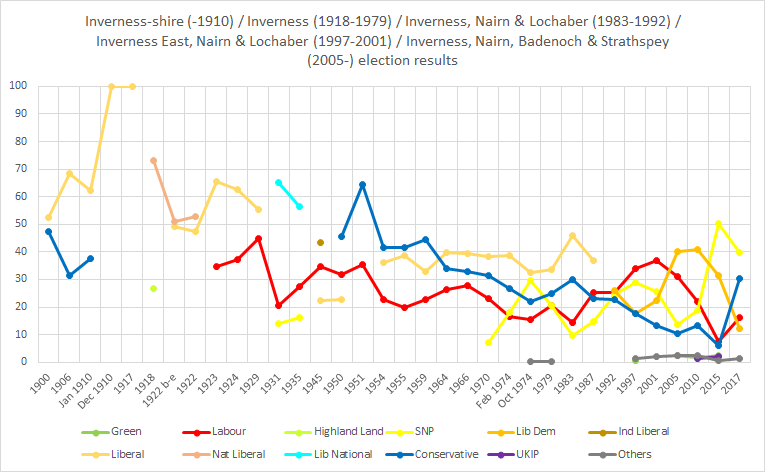
The Electorate and Voting Rights
Voting in Inverness-shire was initially a privilege reserved for the wealthy. Unlike English county constituencies, which used a 40 shilling freehold qualification that eroded over time due to inflation, Scotland employed a qualification of land worth 40 shillings of "old extent." This specific legal phrasing prevented inflation from lowering the real value of the property required to vote, keeping the electorate small.
Significant expansions of the electorate occurred in 1832, 1868, and 1885. The impact of the 1832 reform is starkly evident in the numbers: a contested election in 1802 saw only 32 votes cast, whereas by 1832, the number of votes rose to 467, with a registered electorate of 669.
Notable Members of Parliament
The seat was held by a variety of political figures, reflecting the shifting tides of British politics. Early representation was dominated by Whigs and Tories, but the late 19th century saw the rise of the Crofters' Party, reflecting the land struggles of the Highland people.
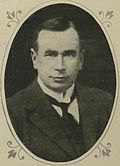
Notable MPs included the Rt Hon. Charles Grant (later Baron Glenelg), a Tory/Canningite, and Charles Fraser-Mackintosh, who represented the Independent Liberal and Crofters' interests. The final MP for the constituency was Thomas Brash Morison, elected in a 1917 by-election, who subsequently transitioned to the successor Inverness seat.
Summary of Constituency Data
| Feature | Details |
|---|---|
| Period of Existence | 1708 – 1918 |
| Number of Seats | 1 |
| Voting System | First past the post |
| Primary Successors | Western Isles and Inverness |
| Key Legislation | Acts of Union 1707, Representation of the People Act 1918 |
Frequently Asked Questions
Why was the Scottish property qualification different from the English one?
Scotland used the "old extent" qualification for land worth 40 shillings. This ensured that the real value of the property required to vote remained constant, preventing inflation from accidentally expanding the electorate, which happened in England.
What happened to the constituency in 1918?
The constituency was abolished under the Representation of the People Act 1918 and largely replaced by two new seats: the Western Isles (covering the Outer Hebrides) and the Inverness constituency (covering the rest of the county and the burgh).
Who were the Crofters' candidates?
The Crofters' candidates were politicians, such as Charles Fraser-Mackintosh and Donald MacGregor, who represented the interests of small-scale farmers (crofters) and were often supported by the Highland Land League.
How did the electorate change in the 19th century?
The electorate expanded significantly through reforms in 1832, 1868, and 1885, moving from a tiny group of substantial landowners to a much larger body of registered voters.
What was the difference between the county seat and the burgh seat?
The Inverness-shire constituency represented the rural county areas, while the Inverness Burghs constituency represented the urban town and surrounding burghs.