Indian Tamils of Sri Lanka
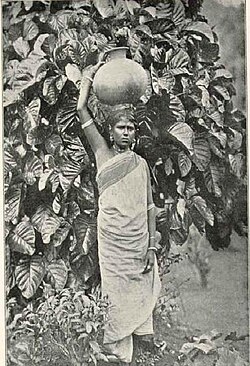
The Indian Tamils of Sri Lanka, also known as Malayaga Tamilar, Hill Country Tamils, or Up-Country Tamils, are a distinct ethnic group of Indian origin. Predominantly descending from laborers brought from Southern India during the British Raj in the 19th and 20th centuries, they were recruited to fuel the colonial economy's coffee, tea, and rubber plantations. While many arrived as laborers, others migrated independently as merchants and service providers.
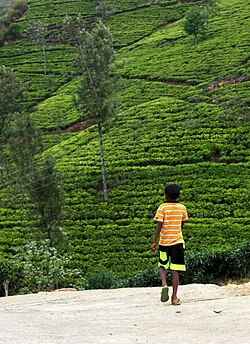
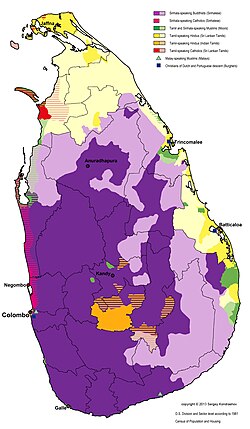
Today, this community remains instrumental to Sri Lanka's plantation sector, though they have historically faced significant socio-economic challenges. Most reside in the central highlands (the Malayakam), though significant populations also live in urban centers and the Northern Province.
Key Facts
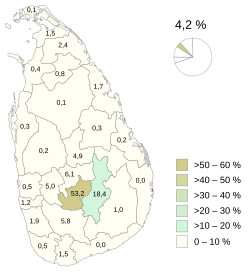
- Population: 842,323 people, representing approximately 4.2% of the Sri Lankan population (2012 Census).
- Primary Regions: Concentrated in the Central, Uva, and Sabaragamuwa provinces.
- Language: Tamil is the primary language (L1), with significant numbers also speaking Sinhala and English.
- Religion: Majority Hindu, with minorities practicing Christianity, Islam, and Buddhism.
- Economic Role: Central to the tea and rubber plantation industries, which are major contributors to Sri Lanka's GNP.
Historical Journey and Citizenship Struggles
Initial Recruitment and Colonial Era
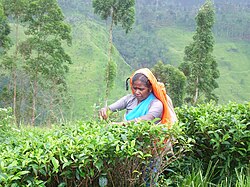
The community's roots lie in the mass migration of Tamil speakers—including those of Telugu and Malayalee origin—from South India to work the rugged terrain of the central highlands. This migration created a composite group with a unique culture and a deep connection to the land they cultivated.
The Era of Disenfranchisement
Following independence, the community faced severe political marginalization. In 1948, Prime Minister D.S. Senanayake introduced the Ceylon Citizenship Act, followed by the Indian-Pakistani Citizenship Act of 1949. These laws effectively disenfranchised Indian Tamils, stripping them of voting rights. This move was partly driven by a desire to weaken leftist political parties and Marxist trade unions that had strong support among plantation workers.
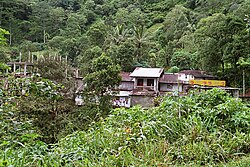
Between 1948 and 1964, the community was largely forgotten by parliamentary politicians. This period of neglect led to a decline in housing, health, and education, resulting in the highest infant mortality rates in the country.
The Path to Rectification
The struggle for identity and rights intensified in the 1960s. The Sirima-Shastri Pact of 1964 and the 1974 Indira-Sirimavo supplementary agreement led to the repatriation of approximately 600,000 people to India, while 375,000 were granted Sri Lankan citizenship. Many resisted repatriation, destroying passports to remain on the land they had built.
By the 1980s and 90s, most stateless Indian Tamils were granted citizenship. The process was further accelerated during peace talks in 2003. Political leadership, notably through figures like Savumiamoorthy Thondaman, helped leverage electoral strength to improve the community's socio-economic conditions.
Society and Demographics
Population Trends
The population of Indian Tamils has fluctuated significantly due to political shifts and repatriation. A sharp decline was noted between 1971 and 1981, primarily due to the repatriation agreements and some individuals identifying as Sri Lankan Tamils after gaining citizenship.
| Year | Population | Change (%) |
|---|---|---|
| 1911 | 531,000 | — |
| 1931 | 818,500 | +35.8% |
| 1963 | 1,123,000 | +15.3% |
| 1981 | 818,656 | -30.3% |
| 2011 | 839,504 | -1.8% |
Language and Culture
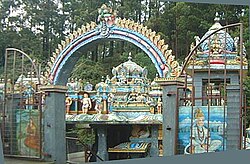
While Tamil is the native tongue, the community is often multilingual. According to the 2012 Census, 61.5% of Indian Tamils also speak Sinhala, and 13% speak English. Their cultural life is centered around Hinduism, with a strong tradition of temple societies and folk deities.
Economic Contribution
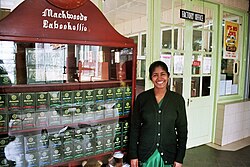
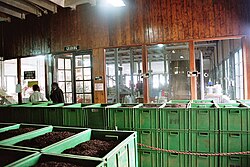
The community remains the backbone of the tea industry. From manual plucking to factory processing, their labor is a primary driver of the national economy.
Prominent Figures
- Savumiamoorthy Thondaman: A pivotal post-independence politician who fought for the rights and socio-economic upliftment of Hill Country Tamils.
- Mano Ganesan: A well-known politician, trade unionist, and human rights activist.
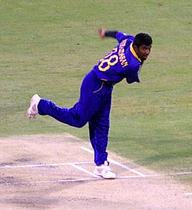
- Muttiah Muralitharan: The world-renowned spin bowler of Indian Tamil descent.
Frequently Asked Questions
Who are the Indian Tamils of Sri Lanka?
They are Tamil-speaking people of Indian origin who predominantly descended from laborers brought to Sri Lanka by the British in the 19th and 20th centuries to work on coffee, tea, and rubber plantations.
How do they differ from Sri Lankan Tamils?
While both speak Tamil, Indian Tamils (Hill Country Tamils) primarily arrived during the colonial plantation era and settled in the central highlands, whereas Sri Lankan Tamils have a longer ancestral history on the island, primarily in the North and East.
What was the Sirima-Shastri Pact?
It was a 1964 agreement between the governments of Sri Lanka and India to resolve the status of stateless persons of Indian origin, resulting in the repatriation of many to India and the granting of Sri Lankan citizenship to others.
What is the primary economic activity of this community?
The majority are employed in the plantation sector, specifically in the production of tea and rubber, which are critical to Sri Lanka's Gross National Product (GNP).
What languages do Indian Tamils in Sri Lanka speak?
Their first language is Tamil, but a majority also speak Sinhala, and a smaller percentage are proficient in English.