Sri Lanka: A Comprehensive Overview of the Pearl of the Indian Ocean
The Democratic Socialist Republic of Sri Lanka, formerly known as Ceylon, is an island nation located in the Indian Ocean. Known for its diverse landscapes, rich cultural heritage, and strategic maritime position, Sri Lanka serves as a vital hub in South Asia. From its ancient kingdoms to its modern status as a semi-presidential republic, the nation blends deep spiritual traditions with a developing urban economy.
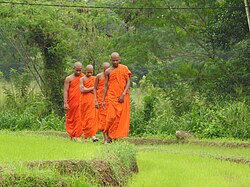
The country is characterized by its distinct ethnic and religious tapestry, with a population primarily composed of Sinhalese and Tamils, and a spiritual landscape dominated by Theravada Buddhism—the traditional school of Buddhism that emphasizes the Pali Canon.
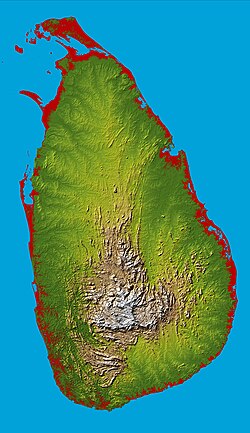
Key Facts
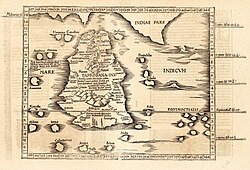
- Official Languages: Sinhala and Tamil; English is a recognized language.
- Capital Cities: Sri Jayawardenepura Kotte (legislative) and Colombo (executive and judicial).
- Government: Unitary semi-presidential republic.
- Primary Religion: Buddhism (official), followed by Hinduism, Islam, and Christianity.
- Major Export: Ceylon tea, recognized as one of the cleanest teas globally regarding pesticide residues.
- National Sport: Volleyball.
Historical Evolution
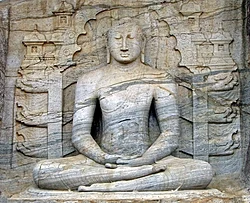
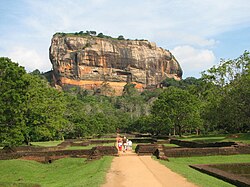
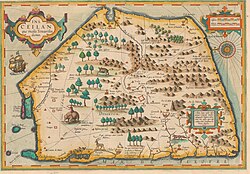
Sri Lanka's history is a chronicle of powerful dynasties and colonial transitions. The early era was marked by the establishment of the Sinhala Kingdom in 543 BCE, followed by the Anuradhapura period (377 BCE – 1017 CE), which saw the rise of monumental architecture and Buddhist scholarship.
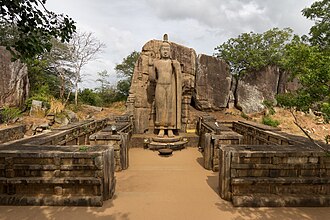
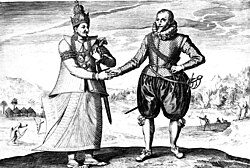
The Polonnaruwa period (1017–1232) succeeded this, followed by a transitional era leading into the Kandyan period (1592–1815). The Kandyan Kingdom represented the last bastion of native sovereignty before the entire island fell under British rule as British Ceylon (1815–1948).
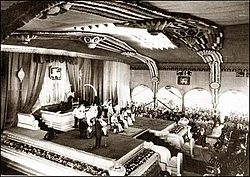
The nation regained its independence on February 4, 1948, eventually becoming a republic on May 22, 1972. The current political framework is governed by the constitution established on September 7, 1978.
Geography, Climate, and Biodiversity
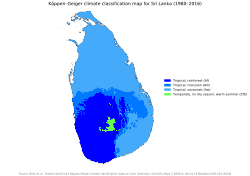
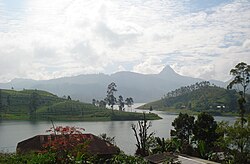
Sri Lanka's geography varies from coastal plains to the rugged Central Highlands. The climate is classified under the Köppen system, influencing the island's lush vegetation and diverse wildlife.
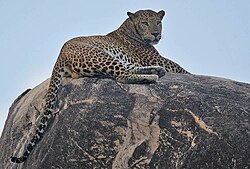
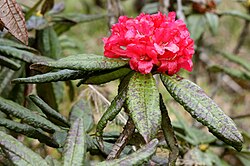
The island is home to several endangered and unique species, including the Sri Lankan elephant (one of three Asian elephant subspecies) and the Sri Lankan leopard (Panthera pardus kotiya). Flora such as the Maha rath mala, a rare Rhododendron subspecies, thrives in the highlands.
![The Sri Lankan elephant is one of three recognised subspecies of the Asian elephant. The 2011 elephant census estimated a population of 5,879.[189]](/images/9b/2c/9b2c0a5428e56d15c9dacb81305a0c8b0881fa2b6c6f610ab5ac2adefc731f67.jpg)
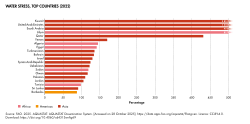
Despite its natural abundance, the country faced significant water stress in 2022, ranking as the nineteenth most water-stressed nation globally.
Government and Political Structure
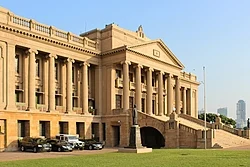
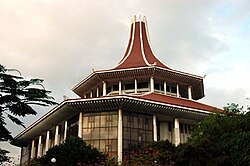
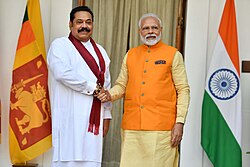
Sri Lanka operates as a unitary semi-presidential republic. The government is divided into three branches: executive, legislative, and judicial. The President serves as the head of state, while the Prime Minister leads the government. The legislative power is vested in the Parliament.
Administratively, the country is divided into nine provinces, with the Western Province—centered around Colombo—contributing the largest share to the national GDP.
Economy and Infrastructure
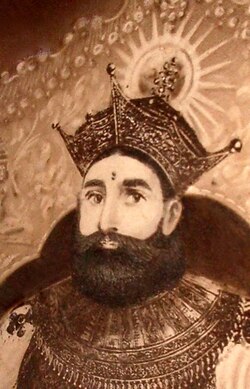
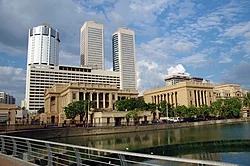
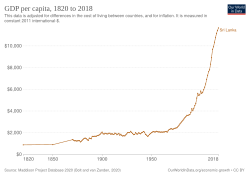
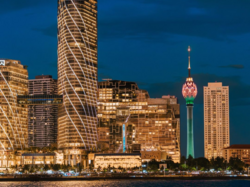
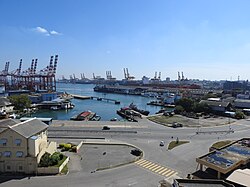
The Sri Lankan economy is a mix of agriculture, industry, and services. It is globally renowned for its tea production, ranking as the world's third-largest exporter. The commercial heart of the nation is Colombo, which hosts the country's largest and busiest port.
![Sri Lanka's most widely known export, Ceylon tea, which ISO considers the cleanest tea in the world in terms of pesticide residues. Sri Lanka is also the world's 3rd largest exporter of tea.[295]](/images/53/0f/530f31e4009833b2faaa99882975f90bc90e81047967843339e883519e1bf425.jpg)
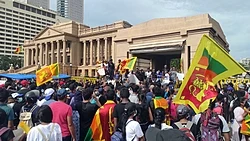
Recent economic trends show a focus on high-tech research, exemplified by the Sri Lanka Institute of Nanotechnology. However, the nation has also navigated periods of volatility, including a severe economic downturn and subsequent protests in 2022.
Provincial Overview
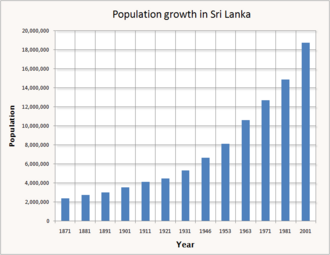
The distribution of population and economic output varies significantly across the provinces, with the Western Province acting as the primary economic engine.
| Province | Capital | Population (2024) | GDP Share (%) | Prosperity Index (2021) |
|---|---|---|---|---|
| Central | Kandy | 2,712,804 | 10.3 | 0.559 |
| Eastern | Trincomalee | 1,782,050 | 4.7 | 0.519 |
| North Central | Anuradhapura | 1,406,890 | 4.8 | 0.521 |
| North Western | Kurunegala | 2,578,894 | 10.9 | 0.541 |
| Northern | Jaffna | 1,149,240 | 4.5 | 0.564 |
| Sabaragamuwa | Ratnapura | 2,015,039 | 7.0 | 0.499 |
| Southern | Galle | 2,605,506 | 9.3 | 0.582 |
| Uva | Badulla | 1,399,049 | 4.7 | 0.468 |
| Western | Colombo | 6,113,698 | 43.7 | 0.802 |
Culture and Society
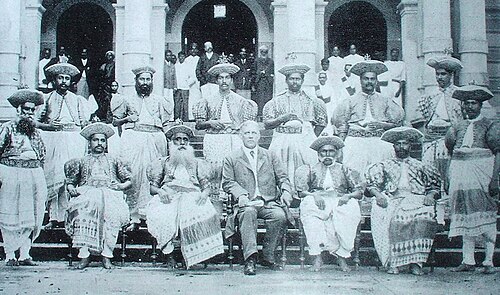
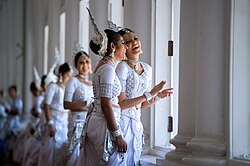
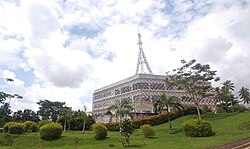
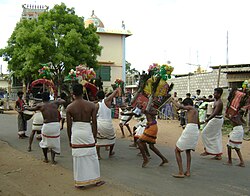
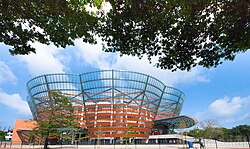
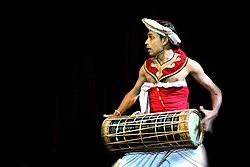
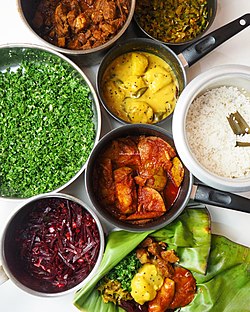
Sri Lankan culture is a vibrant blend of ethnic influences. The arts are highly developed, ranging from traditional Kandyan dancing to the performing arts hosted at the Nelum Pokuna Mahinda Rajapaksa Theatre. The culinary tradition is centered around rice and curry, reflecting the island's agricultural roots.
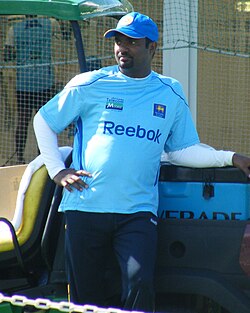
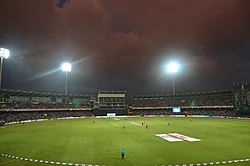
Sport plays a significant role in national identity. While volleyball is the national sport, cricket is immensely popular, with figures like Muttiah Muralitharan achieving global fame for holding the record for the most wickets in Test cricket.
Frequently Asked Questions
What are the official languages of Sri Lanka?
The official languages are Sinhala and Tamil, while English is recognized as a national language.
Which city serves as the commercial capital?
Colombo is the largest city and serves as the executive and judicial capital, as well as the commercial hub of the country.
What is the significance of Ceylon tea?
Ceylon tea is Sri Lanka's most famous export. The country is the world's third-largest tea exporter, and its tea is considered among the cleanest globally in terms of pesticide residues.
What is the primary religion practiced in Sri Lanka?
Buddhism is the official religion and is practiced by approximately 69.8% of the population, primarily following the Theravada tradition.
When did Sri Lanka gain independence?
Sri Lanka gained its independence from British rule on February 4, 1948.