Indian Army: History, Structure, and Modern Capabilities
The Indian Army (Bhāratīya Sēnā) is the land-based military force of the Indian Armed Forces, dedicated to safeguarding the sovereignty and territorial integrity of India. Guided by the motto "Sevā Paramo Dharmaḥ" (Service Before Self), the army operates as a massive professional force comprising approximately 1.248 million active personnel and 900,000 reserve personnel.
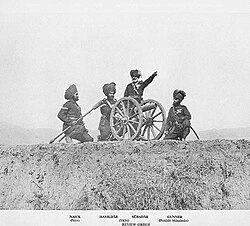
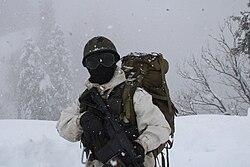
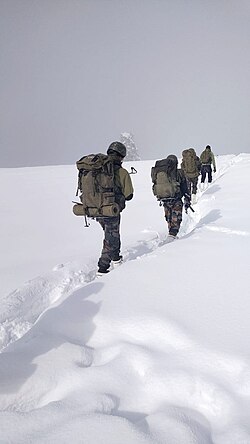
From its origins as the British Indian Army in 1895 to its current form established on January 26, 1950, the Indian Army has evolved into one of the most formidable land forces globally, specializing in diverse terrains ranging from the scorching deserts of Rajasthan to the frozen heights of the Himalayas.
Key Facts
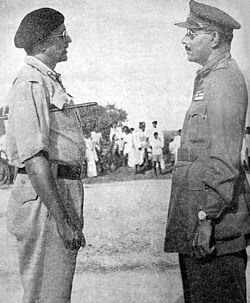
- Founded: January 26, 1950 (Current form); April 1, 1895 (as British Indian Army).
- Commander-in-Chief: President Droupadi Murmu.
- Chief of the Army Staff (COAS): General Dhiraj Seth.
- Active Strength: 1,248,000 personnel.
- Headquarters: Integrated Defence Headquarters, Ministry of Defence, New Delhi.
- Primary Role: Land warfare and national security.
Historical Evolution and Major Engagements
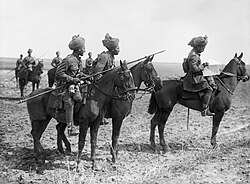
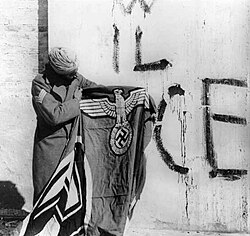
The Indian Army's legacy is marked by its transition from a colonial force to a national defender. During the World Wars, Indian soldiers served across global theaters, contributing significantly to the Allied efforts.
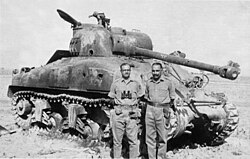
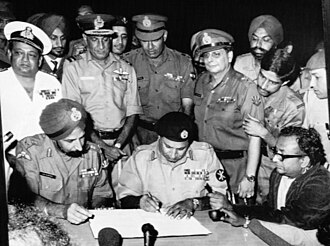
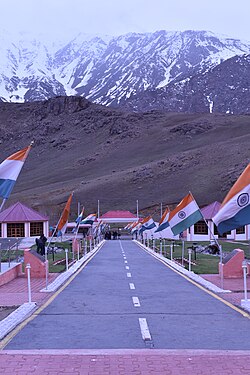
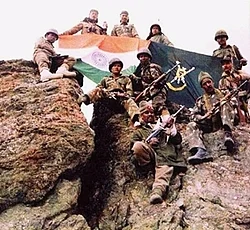
Following independence, the army has been central to several critical conflicts and internal security operations. Key engagements include the Indo-Pakistani Wars of 1947-48, 1965, and 1971, as well as the 1962 Sino-Indian War. The army also played a pivotal role in the 1999 Kargil War and continues to manage counter-insurgency operations in Jammu and Kashmir and Northeast India.
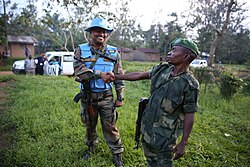
Beyond national borders, the Indian Army is a prominent contributor to United Nations peacekeeping missions, deploying troops to maintain global stability and provide humanitarian aid.
Summary of Major Conflicts
| Conflict/Operation | Period/Year | Nature of Engagement |
|---|---|---|
| World War I & II | 1914-18 / 1939-45 | International Conflict |
| Indo-Pakistani Wars | 1947, 1965, 1971 | Regional Conflict |
| Sino-Indian War | 1962 | Border Conflict |
| Kargil War | 1999 | Border Conflict |
| Annexation of Goa | 1961 | Territorial Integration |
Organizational Structure and Leadership
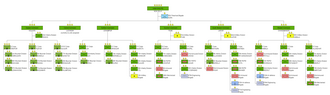
The Indian Army is led by the Chief of the Army Staff (COAS), with the President of India serving as the Commander-in-Chief. The operational structure is divided into several regional commands to ensure efficient administration and strategic response.
Regional Commands
- Northern Command: Udhampur
- Western Command: Chandimandir
- Eastern Command: Kolkata
- Southern Command: Pune
- Central Command: Lucknow
- South Western Command: Jaipur
- Army Training Command: Shimla
Combat Arms and Regiments
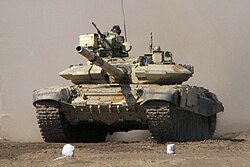
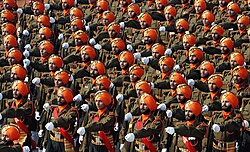
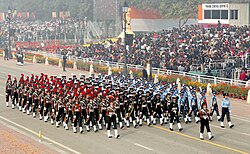
The army is organized into various combat arms, including the Armoured Corps, Regiment of Artillery, and the Infantry. The Infantry is further divided into storied regiments such as the Punjab Regiment, Sikh Regiment, and the Rajput Regiment, each with its own distinct history and traditions.
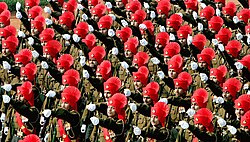
Recruitment and Training
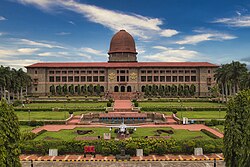
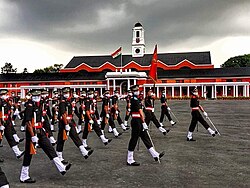
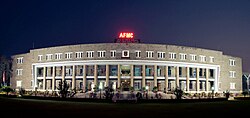
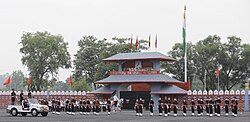
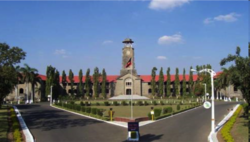
Training is the backbone of the Indian Army's efficiency. Officers are trained at premier institutions including the National Defence Academy (NDA) and the Indian Military Academy (IMA). Specialized training is provided for medical officers at the AFMC and engineering cadets at OTA Gaya and CME Pune.
The Agnipath Scheme represents a modern shift in recruitment, introducing a short-term service model for enlisted personnel to create a more youthful and agile fighting force.
Modernization and Equipment
To meet evolving threats, the Indian Army is undergoing significant force modernization. This includes the deployment of Integrated Battle Groups and the creation of Bhairav Light Commando Battalions for specialized operations.
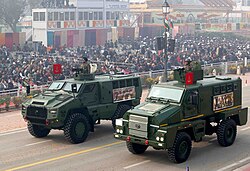
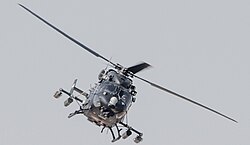
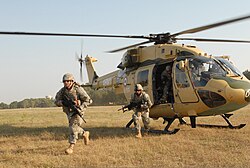
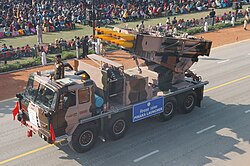
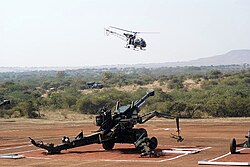
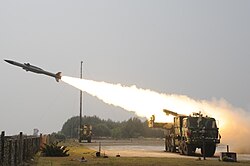
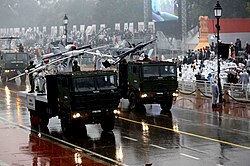
The army's arsenal has expanded to include advanced technology such as the Pinaka Multi Barrel Rocket Launchers, Dhanush artillery guns, and the Akashteer system for neutralizing drone and air attacks. In the air, the Army Aviation Corps utilizes HAL Rudra and Boeing AH-64 Apache helicopters for attack and utility roles.
Frequently Asked Questions
![During Operation Sindoor, Akashteer played a central role in neutralizing drone and air attacks by Pakistan[174][175][176]](/images/8b/a5/8ba58ae5baee5df6cd201830759774c32357f9f44df59eb397f9a73552ec48f8.png)
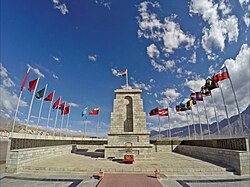
![National War Memorial in honour of soldiers who laid down their lives for the nation.[195]](/images/09/4a/094a9e06465f21419b41382f2115be2974f17a9dc9f848b44816b132d4da7a55.jpg)
Who is the current Chief of the Army Staff?
The current Chief of the Army Staff (COAS) is General Dhiraj Seth.
What is the motto of the Indian Army?
The motto is "Sevā Paramo Dharmaḥ", which translates to "Service Before Self".
What is the Agnipath Scheme?
The Agnipath Scheme is a recruitment model for enlisted personnel that focuses on short-term service to modernize the army's personnel profile.
Which academy is the premier training center for army officers?
The National Defence Academy (NDA) is the premier officer training academy, while the Indian Military Academy (IMA) is the sole Permanent Commission general duty training academy for officers.
What are the primary aircraft used by the Army Aviation Corps?
The corps utilizes attack helicopters like the HAL Rudra, HAL Prachand, and Boeing AH-64 Apache, as well as utility helicopters such as the HAL Dhruv, Chetak, and Cheetah.