Inbreeding Avoidance: Mechanisms and Evolutionary Trade-offs
In evolutionary biology, inbreeding avoidance refers to the biological and behavioral mechanisms that prevent mating between closely related individuals. This process is driven by the need to mitigate the harmful effects of inbreeding, which can reduce the overall fitness of a population. However, avoiding kin is not without its own costs; limiting the pool of potential mates can create opportunity costs for an individual.
The balance between the risks of inbreeding and the costs of avoidance determines whether a species develops specific avoidance mechanisms and how those mechanisms function. While once thought to be universal, recent research suggests that inbreeding avoidance is more nuanced and varies significantly across different species and environmental conditions.
Key Facts
- Inbreeding depression occurs when deleterious recessive alleles pair up, reducing the fitness of offspring.
- Avoidance is more common in species with internal fertilization, higher relatedness coefficients, and developmental co-residence.
- Genetic purging is a potential benefit of inbreeding, where harmful alleles are removed from the population.
- Common avoidance strategies include kin recognition, natal dispersal, and extra-pair copulations.
- In some fish species, biparental care is statistically associated with higher rates of inbreeding avoidance.
The Biological Impact of Inbreeding
The primary driver for avoiding kin is the prevention of inbreeding depression. This phenomenon happens when two related individuals mate, increasing the likelihood that offspring will inherit two copies of a harmful recessive allele (increased homozygosity). This often manifests as reduced survival rates or weakened immune systems due to a lack of diversity in immunity alleles, a condition related to outbreeding depression.
For example, a 2007 study demonstrated that inbred mice suffered significantly lower survival rates when reintroduced into their natural habitats compared to non-inbred counterparts.
Interestingly, inbreeding is not always purely detrimental. It can facilitate genetic purging, a process where deleterious alleles are exposed and eliminated from the gene pool, potentially strengthening the population over many generations.
Mechanisms of Inbreeding Avoidance
Species have evolved several non-exclusive strategies to ensure genetic diversity. These mechanisms often overlap within a single population.
Kin Recognition
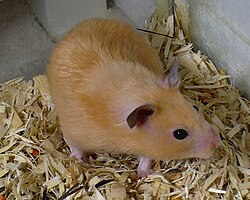
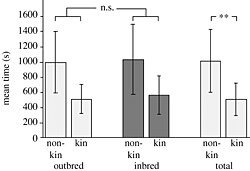
Kin recognition allows animals to identify relatives and choose mates accordingly. This is particularly developed in species where adult kin frequently encounter one another. In humans, research suggests that olfaction (the sense of smell) may play a role in developing incest avoidance during childhood, a phenomenon known as the Westermarck effect.
Dispersal Strategies
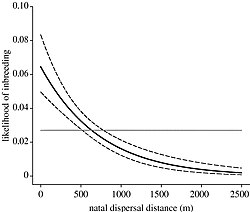
Dispersal involves individuals moving away from their birth site to find unrelated mates. This occurs in two primary stages: natal dispersal (moving away from the area of birth) and breeding dispersal (moving between non-natal groups). The decision to disperse depends on whether the benefits of avoiding inbreeding outweigh the energetic costs and mortality risks of traveling.
Sex-Biased Dispersal
In many species, one sex is more likely to disperse than the other. This bias is influenced by social organization and mating systems. For instance, in mammals with polygynous systems or cooperative breeding, males often disperse while females remain philopatric (staying in their natal area).
- Male Dispersal: Common in Australian marsupials like Antechinus, where males disperse to find female groups. The "Oedipus hypothesis" suggests fathers in polygynous systems may evict sons to prevent them from competing for mates.
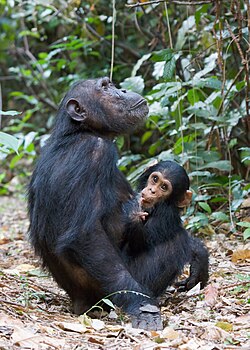
- Female Dispersal: Observed in other species, such as chimpanzees in Gombe Stream National Park, where females leave their natal community while males stay.
Reproductive Suppression and Delayed Maturation
In some social structures, subordinates may experience reproductive quiescence (a state of inactivity). In meerkats, subordinate females may remain reproductively suppressed until a dominant individual is absent and an unrelated male immigrates into the group, providing the necessary stimulus for reproduction.
Extra-Pair Copulations
Some females engage in extra-pair copulations—mating with males outside their primary pair bond—to increase the genetic diversity and quality of their offspring. This increases heterozygosity, which can improve offspring survivability. This strategy is common when paternal care is minimal, as the benefit of genetic diversity outweighs the risk of losing a pair-bond partner.
![DNA analysis has shown that 60% of offspring in splendid fairywrens nests were sired through extra-pair copulations, rather than from resident males.[14]](/images/ee/de/eedef23a9ad0624585abee27bb2a1c7451ef32fd72c670bf7da044cc757452ce.jpg)
Inbreeding Avoidance Across Kingdoms
Avoidance is not limited to animals. In the dioecious plant Silene latifolia, research indicates that post-pollination selection may favor pollen from less related donors, reducing the likelihood of inbreeding through embryo or pollen selection.
Summary of Inbreeding Avoidance Factors
| Mechanism | Primary Driver | Key Example/Factor |
|---|---|---|
| Kin Recognition | Olfaction/Phenotype Matching | Westermarck effect in humans |
| Natal Dispersal | Spatial Separation | Southern pied babblers |
| Extra-Pair Mating | Increased Heterozygosity | Splendid fairywrens |
| Reproductive Suppression | Social Hierarchy | Meerkats |
| Post-Pollination Selection | Embryo/Pollen Selection | Silene latifolia (plants) |
Frequently Asked Questions
What is the difference between inbreeding depression and outbreeding depression?
Inbreeding depression is the reduction in fitness caused by the pairing of harmful recessive alleles due to mating between relatives. Outbreeding depression occurs when mating between distantly related individuals results in offspring with reduced fitness, often due to a lack of compatible gene interactions or reduced immune diversity.
How does the Westermarck effect work?
The Westermarck effect is a psychological hypothesis suggesting that individuals who grow up in close proximity during early childhood develop a natural sexual aversion to one another, which helps prevent incest in human populations.
Why do some species tolerate inbreeding?
Some species tolerate inbreeding if the costs of avoidance (such as the risk of death during long-distance dispersal or the inability to find any mate) are higher than the costs of inbreeding depression. Additionally, inbreeding can lead to genetic purging of harmful alleles.
What is philopatry?
Philopatry is the tendency of an organism to stay in or return to its natal area. In sex-biased dispersal, one sex is typically philopatric while the other disperses to avoid mating with close relatives.
How has DNA analysis changed the study of inbreeding?
Modern molecular techniques, such as DNA fingerprinting, allow researchers to measure relatedness with far greater accuracy than behavioral observation alone, revealing that inbreeding avoidance may be rarer in some animal groups than previously believed.