Hybrid Biology: The Science of Genetic Mixing and Speciation
In the complex tapestry of life, hybridization represents one of nature's most fascinating phenomena. A hybrid is the offspring resulting from the combination of qualities from two different organisms, such as different varieties, subspecies, species, or even genera, through sexual reproduction. While we often think of hybrids as middle grounds between parents, the reality is far more diverse and scientifically complex.
At a cellular level, a true hybrid typically contains genetic material from two different organisms in every cell. This is distinct from a chimera, an individual where only some cells are derived from a different organism. From the crops that feed the world to the exotic animals seen in captivity, hybridization plays a critical role in evolution, agriculture, and biodiversity.
Key Facts
- Hybrid Vigor: Some hybrids exhibit increased strength or size compared to their parents.
- Reproductive Isolation: Biological barriers, such as mating behaviors or genetic differences, often prevent hybridization between species.
- Hybrid Speciation: In some cases, hybridization can lead to the creation of entirely new species.
- Human Influence: Humans use hybridization extensively in agriculture to create high-yielding crops and in horticulture for ornamental plants.
- Genetic Focus: In scientific genetics, researchers often focus on the number of chromosomes involved in the cross.
The Mechanics of Hybridization
Genetic Expression and Hybrid Vigor
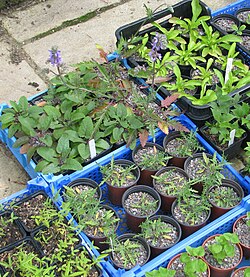
Contrary to older, discredited theories of "blending inheritance," hybrids do not always simply represent a perfect average of their parents. Instead, they can display hybrid vigor (heterosis), a phenomenon where the offspring grows larger, taller, or more robust than either parent species. This is clearly observed in various plant species, where hybrids may outcompete their progenitors.
Barriers to Reproduction
Nature maintains species boundaries through reproductive isolation. These barriers can act before fertilization occurs—such as differences in flowering times in plants or distinct mating cues in animals—or after fertilization, through the physiological rejection of sperm or the failure of an embryo to develop. These mechanisms ensure that most species remain genetically distinct.
Hybridization Across Different Taxa
Animals and Mammals
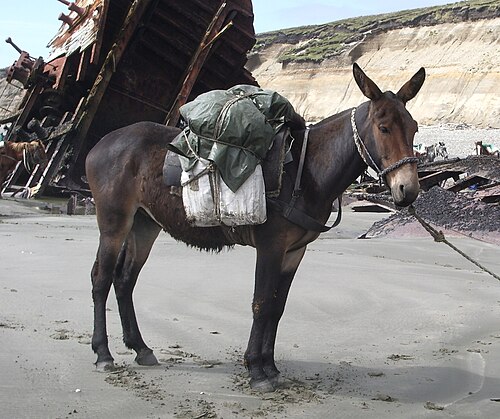
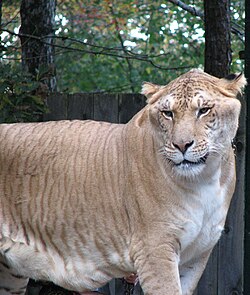
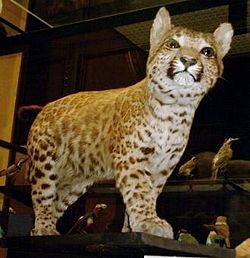
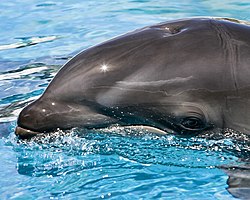
In the animal kingdom, hybridization can occur between closely related species. Notable examples include the mule (donkey and horse) and the liger (lion and tiger). In marine environments, scientists have identified the clymene dolphin as a hybrid of the spinner and striped dolphins, and have confirmed the existence of the "narluga," a hybrid between a beluga whale and a narwhal.
Plants and Agriculture
Plants are perhaps the most prolific hybridizers. Many essential food sources, such as durum wheat, are the result of complex hybridization and polyploidy (the doubling of chromosome sets). The 20th-century Green Revolution relied heavily on hybridization to develop high-yielding crop varieties, which, alongside fertilizers and irrigation, transformed global food security.
![Durum wheat is tetraploid, derived from wild emmer wheat, which is a hybrid of two diploid wild grasses, Triticum urartu and a wild goatgrass such as Aegilops searsii or Ae. speltoides.[40]](/images/c0/ac/c0ac06b4cc221171f82819d8d421d7a0d12ed722c23a24b5c81612bf44662886.jpg)
![The Green Revolution of the 20th century relied on hybridization to create high-yielding varieties, along with increased reliance on inputs of fertilizers, pesticides, and irrigation.[63]](/images/27/fd/27fd56cd80bbe03a4111727dc73aafc12cc0ecc0c2f0e3eaaaef1e6d70ef5c85.jpg)
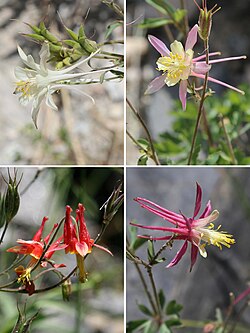
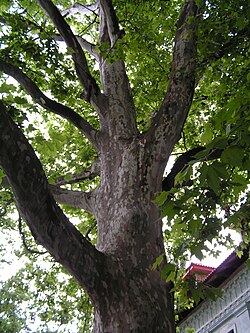
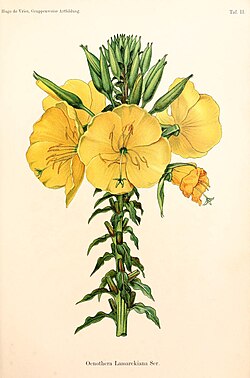
In horticulture, hybridization is used to create beautiful ornamental varieties. The London plane tree is a famous natural hybrid used widely in urban street planting, while flowers like Oenothera lamarckiana have been vital to the history of genetic research.
Birds and Fish
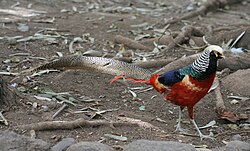
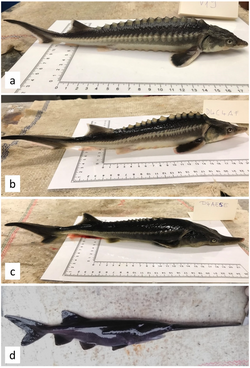
Hybridization is also observed in avian and aquatic species. For example, hybrids can occur between different species of pheasants. In the water, the sturddlefish represents a rare hybrid between the American paddlefish and the Russian sturgeon, two species whose last common ancestor lived 184 million years ago.
Summary of Hybrid Types and Examples
| Category | Example | Parental Species |
|---|---|---|
| Mammal | Mule | Donkey & Horse |
| Mammal | Liger | Lion & Tiger |
| Fish | Sturddlefish | American Paddlefish & Russian Sturgeon |
| Plant | Durum Wheat | Wild Emmer Wheat & Wild Goatgrass |
| Plant | London Plane | Natural Hybrid Species |
Human Influence and Mythology
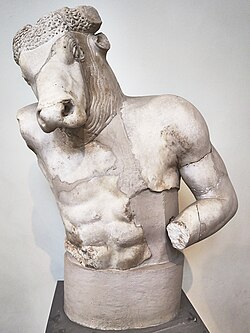
Humans have actively mediated hybridization for millennia. In agriculture, we cross wild and domesticated species to improve traits. In the pet and livestock trades, we see hybrids like beefalo or wolfdogs. Even our ancient stories reflect an fascination with the concept, such as the Greek myth of the Minotaur, the offspring of Pasiphaë and a white bull.
In modern science, even human history is viewed through the lens of hybridization, with evidence suggesting that ancient human-Neanderthal interbreeding occurred, as seen in specimens like the Oase 2 skull.

Frequently Asked Questions
What is the difference between a hybrid and a chimera?
A hybrid is an organism where every cell contains genetic material from two different parents. A chimera is an organism composed of cells from two or more different zygotes (different genetic origins) within the same individual.
What is hybrid vigor?
Hybrid vigor, or heterosis, is the tendency of a crossbred individual to show qualities superior to those of both parents, such as increased size, growth rate, or fertility.
Can hybrids become new species?
Yes, this process is known as hybrid speciation. It occurs when a hybrid population becomes reproductively isolated from its parent species, eventually evolving into a distinct lineage.
Why don't all animals hybridize?
Most species are kept separate by reproductive isolation mechanisms. These include differences in mating rituals, different breeding seasons, or genetic incompatibilities that prevent successful fertilization or embryo development.
How do humans use hybridization in food production?
Humans use hybridization in agriculture to create high-yielding, disease-resistant, or more nutritious crop varieties. This was a cornerstone of the Green Revolution, which significantly increased global food supplies.