Humid Subtropical Climate: Characteristics, Classifications, and Global Distribution
A humid subtropical climate is a type of temperate climate defined by long, hot summers and winters that range from cool to mild. These regions typically emerge on the southeast side of continents (with the exception of Antarctica), generally situated between latitudes 25° and 40°. Geographically, they act as a transition zone, located poleward of tropical climates and equatorward of either oceanic or humid continental climates.
Depending on the classification system used, this environment is sometimes referred to as a warm temperate climate. While many of these zones are coastal, some extend deep inland—most notably in the United States and China—where the contrast between summer and winter becomes more pronounced.
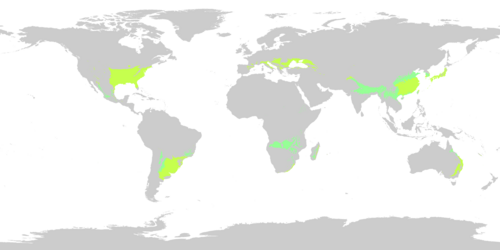
Key Facts
- Temperature Range: Coldest month mean between −3°C (27°F) and 18°C (64°F); warmest month mean of 22°C (72°F) or higher.
- Typical Location: Southeast coasts of continents between 25° and 40° latitude.
- Classification Codes: Identified as Cfa (fully humid) or Cwa (dry winter) in the Köppen system.
- Trewartha Definition: Requires at least 8 months with a mean temperature above 10°C (50°F).
- Regional Variation: Inland areas experience sharper seasonal contrasts than maritime positions.
Climate Classification Systems
Köppen Climate Classification
In the Köppen system, humid subtropical climates are categorized by specific letter codes that describe their temperature and precipitation patterns:
- Cfa: C (Mild temperate), f (Fully humid), a (Hot summer).
- Cwa: C (Mild temperate), w (Dry winter), a (Hot summer).
Trewartha and Holdridge Systems
While the term "humid subtropical" is widely used today, Wladimir Köppen himself did not use it; the term was officially established under the Trewartha climate classification. This system defines the climate by the duration of warmth, requiring at least eight months with a mean temperature exceeding 10°C (50°F).
The Holdridge life zones classification focuses on biotemperature (the average temperature when it is above 0°C) and the potential evapotranspiration (PET) ratio. In this system, these climates are considered humid, perhumid, or superhumid when the PET ratio is less than 1, with biotemperatures ranging between 16–18°C (61–64°F) and 24°C (75°F).
Global Distribution and Regional Variations
Asia
East Asia features prominent humid subtropical zones, including cities like Tokyo and Guangzhou. In South Asia, particularly northern India and Pakistan (e.g., New Delhi and Islamabad), the climate is atypical. These regions experience very hot summers often exceeding 40°C (104°F), followed by a high-humidity monsoon season from July to September with rainfall occurring almost daily.

Southeast Asian locations, such as Hanoi, Vietnam, typically see hot, wet summers and cool, dry winters. Unlike East Asia, snowfall is rare in this region. In Western Asia, areas like Western Georgia and northeast Turkey exhibit a borderline case between oceanic (Cfb) and humid subtropical (Cfa) climates, with very heavy annual rainfall.
North and Central America
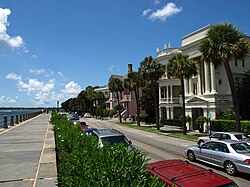
In North America, the humid subtropical zone is well-represented in the southeastern United States, including cities like Houston and Washington, D.C. These areas serve as a gradient between the tropical south and the colder continental north. Central American examples include Siguatepeque, Honduras.
South America, Australia, and Europe
South America's humid subtropical regions include Buenos Aires, Argentina. In Australia, the zone covers coastal areas like Brisbane and Sydney. Australian Cfa zones often experience a distinct summer rainfall maximum, with some coastal areas receiving over 2,000 mm (79 in) of rain annually. In Europe, this climate is found in regions such as Milan, Italy.
Summary of Climate Characteristics
| Classification | Winter Precipitation | Summer Temperature | Key Characteristic |
|---|---|---|---|
| Cfa | Fully Humid | Hot (>22°C) | Consistent moisture year-round |
| Cwa | Dry Winter | Hot (>22°C) | Pronounced seasonal rain gap |
Frequently Asked Questions
What is the difference between Cfa and Cwa climates?
The primary difference lies in precipitation. Cfa climates are "fully humid," meaning they receive significant moisture throughout the year, while Cwa climates experience a distinct dry winter season.
Where are humid subtropical climates usually located?
They are typically found on the southeast sides of continents, generally between 25° and 40° latitude, positioned between tropical zones and either oceanic or humid continental zones.
How does the Trewartha classification define this climate?
The Trewartha system classifies a region as humid subtropical if it has a mean temperature above 10°C (50°F) for at least eight months of the year.
Do humid subtropical regions experience snow?
It varies by region. While some East Asian and North American Cfa zones experience occasional snowfall, most Southeast Asian humid subtropical areas seldom see snow.
What makes the Indian subtropical climate atypical?
The Indian version features extreme summer heat (often over 40°C), dust storms in early summer, and an extremely humid monsoon season with humidity levels frequently above 90%.