Houston: The Dynamic Hub of Texas Energy, Culture, and Diversity
Houston is a sprawling metropolis in Southeast Texas, serving as a global center for energy, medicine, and aerospace. Incorporated on June 5, 1837, and named after Sam Houston, the city has grown from a small settlement into the largest city in Texas and the fourth-largest in the United States. Known for its immense scale and cultural vibrancy, Houston is a melting pot of ethnicities and industries that drive a significant portion of the North American economy.
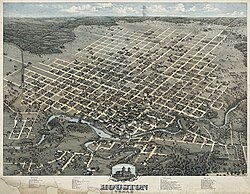
Key Facts
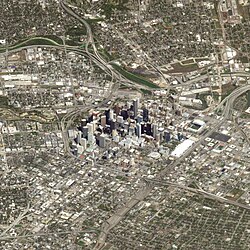
- Population: 2,304,580 (2020 Census), with a metro population of over 7.1 million.
- Economic Power: A metro GDP of $757.751 billion (2024).
- Global Leadership: Home to the Texas Medical Center and the Johnson Space Center.
- Diversity: One of the most ethnically diverse cities in the U.S., with a significant Hispanic and Latino population.
- Geography: Spans 670 square miles across Harris, Fort Bend, and Montgomery counties.
Geography and Climate
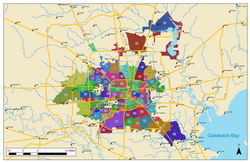
Houston is situated at an elevation of 105 feet, characterized by a flat landscape and a humid subtropical climate. The city is prone to significant precipitation, with an annual average ranging from approximately 51 to 55 inches depending on the monitoring station.
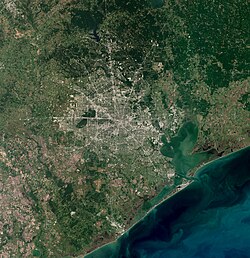
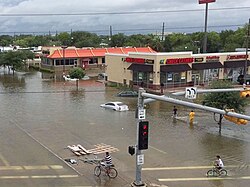
The climate is marked by hot, humid summers and mild winters. Record highs have reached 109°F, while record lows have dipped to 5°F. Due to its coastal proximity, Houston frequently faces severe weather events, including hurricanes and heavy flooding, which have historically impacted the city's infrastructure.


Demographics and Cultural Identity
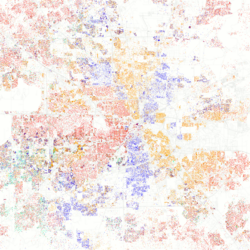
Houston is defined by its multiculturalism. As of 2020, the Hispanic or Latino population represents 47% of the city, followed by Black or African American residents at 24.9% and non-Hispanic Whites at 21.8%. This diversity is reflected in the city's religious landscape, where Christianity is the most prominent faith (72%), alongside growing Muslim, Jewish, Buddhist, and Hindu communities.
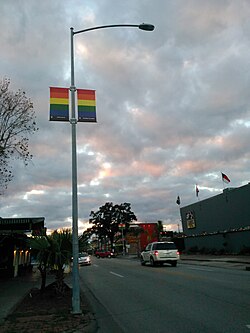
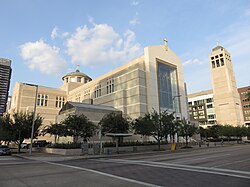
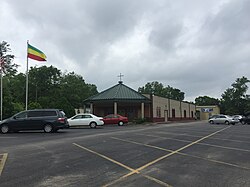
The city's cultural districts are diverse, from the LGBT-friendly banners of Montrose to the architectural grandeur of the Co-Cathedral of the Sacred Heart and the Debre Selam Medhanealem Ethiopian Orthodox Tewahdo Church.
Economy and Infrastructure

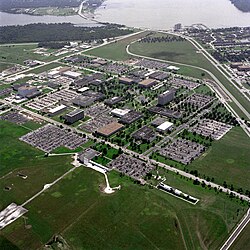
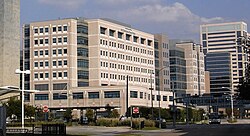
Houston's economy is heavily anchored by the petroleum and energy sectors. The city hosts numerous Fortune 500 companies, including Phillips 66, Sysco, ConocoPhillips, and Halliburton. Beyond energy, the Texas Medical Center stands as a global leader in healthcare, and the Johnson Space Center maintains the city's legacy in aerospace exploration.
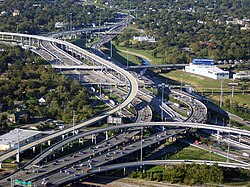
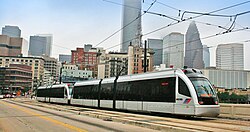
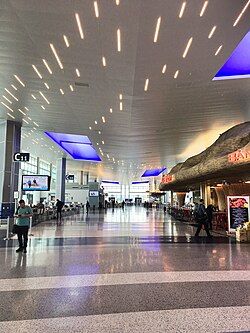
The city's infrastructure is designed for high-volume transit, featuring a complex network of interstates, the METRORail light rail system, and major aviation hubs like George Bush Intercontinental Airport and William P. Hobby Airport.
Arts, Sports, and Governance
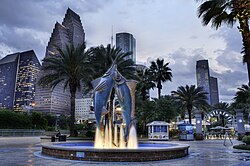
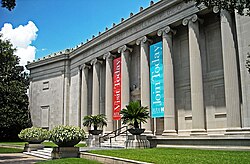
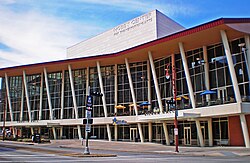
Houston offers a rich array of cultural attractions, including the Museum of Fine Arts and the Hobby Center for the Performing Arts. The city is also known for unique local traditions like the Houston Art Car Parade.

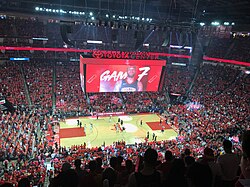
In sports, the city is home to the Houston Rockets (NBA) at the Toyota Center and the Houston Texans (NFL) at Reliant Stadium.

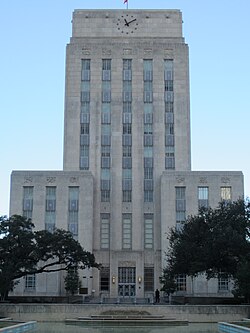
The city operates under a strong mayor-council government. Currently led by Mayor John Whitmire, the administration manages the city's vast resources from Houston City Hall.
City Overview Summary
| Category | Detail |
|---|---|
| Incorporation Date | June 5, 1837 |
| City Population (2020) | 2,304,580 |
| Metro GDP (2024) | $757.751 Billion |
| Primary Industries | Energy, Healthcare, Aerospace |
| Government Type | Strong Mayor-Council |
Frequently Asked Questions
What is the population of Houston?
As of the 2020 Census, the city population was 2,304,580, with a 2025 estimate of 2,397,315. The broader metropolitan area is significantly larger, with over 7.1 million residents.
Which major industries drive Houston's economy?
Houston is a global leader in the petroleum and energy industries, hosting many Fortune 500 companies. It is also a primary hub for healthcare via the Texas Medical Center and aerospace via the Johnson Space Center.
What is the climate like in Houston?
Houston has a humid subtropical climate with hot, humid summers and mild winters. It receives high annual precipitation (over 50 inches) and is susceptible to hurricanes and flooding.
How diverse is the population of Houston?
Houston is highly diverse; as of 2020, 47% of the population identifies as Hispanic or Latino, 24.9% as Black or African American, and 21.8% as non-Hispanic White.
What are the main airports serving the city?
The city is served by George Bush Intercontinental Airport (IAH) and William P. Hobby Airport (HOU).