Dallas: The Dynamic Heart of North Texas
Known affectionately as Big D, D-Town, or Triple D, Dallas is a sprawling metropolis that serves as a primary economic and cultural hub for the state of Texas. Incorporated on February 2, 1856, the city has evolved from a frontier settlement into a global powerhouse, blending a rich historical legacy with cutting-edge architecture and a diverse population.
Today, Dallas is the 3rd largest city in Texas and the 9th largest in the United States, boasting a city population of over 1.3 million people and a massive metropolitan area exceeding 8.4 million residents.
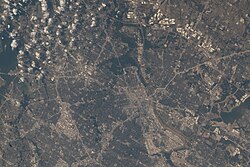
Key Facts
- Population: 1,304,379 (2020 Census); estimated 1,329,491 by 2025.
- Economy: Metro GDP of $800.601 billion (2024) with a per capita GDP of $94,442.
- Geography: Spans 385.8 square miles across Dallas, Collin, Denton, Kaufman, and Rockwall counties.
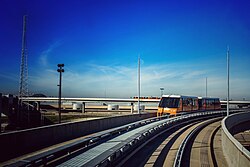
- Global Hub: Home to Dallas Fort Worth International Airport, the world's busiest airport by passenger traffic in 2020.
- Government: Operates under a council-manager system led by Mayor Eric Johnson.
Geography and Climate
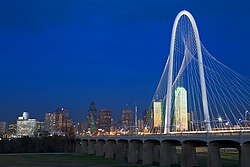
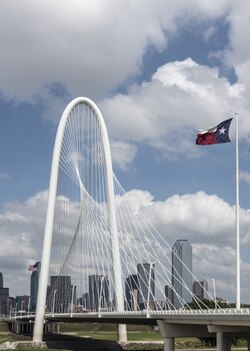
Dallas is situated in North Texas at an elevation of 482 feet. The landscape is defined by the Trinity River, which flows through the heart of the city and is the focus of extensive urban redevelopment projects.
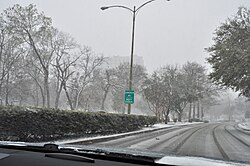
The city experiences a climate characterized by hot summers and mild to cool winters. July and August are typically the hottest months, with mean maximum temperatures often exceeding 100°F (38°C). Precipitation is distributed throughout the year, with May and October generally seeing the highest rainfall totals.
City Layout and Neighborhoods
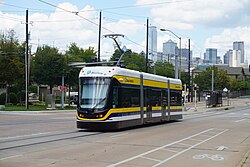
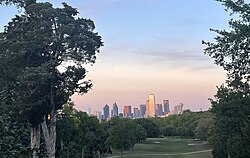
Dallas is organized into several distinct regions, each offering a unique atmosphere. Central Dallas includes the high-energy Downtown and Uptown areas, while East Dallas and Oak Cliff provide residential and historic charm.
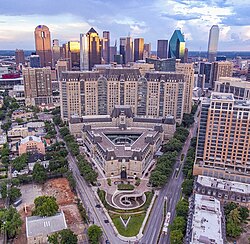
Prominent Districts
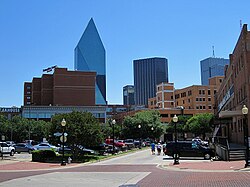
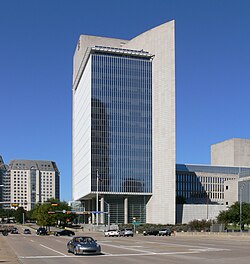
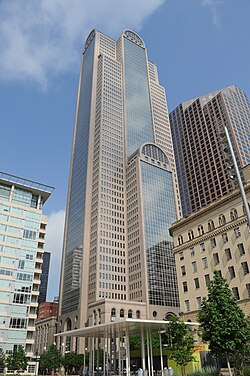
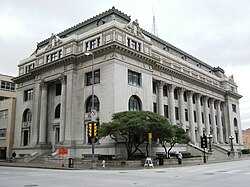
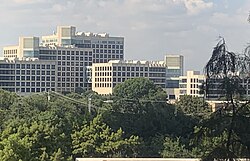
- Downtown: The commercial core featuring the Federal Reserve Bank of Dallas and the Comerica Bank Tower.
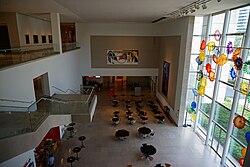
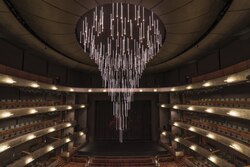
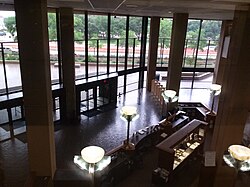
- Arts District: A cultural epicenter housing the Dallas Museum of Art, the Morton H. Meyerson Symphony Center, and the Winspear Opera House.
- West End: A historic district reflecting the city's early commercial roots.
- Oak Lawn: Often referred to as the "Gayborhood" of Dallas.
- Deep Ellum: Renowned for its music and arts scene.
History and Culture
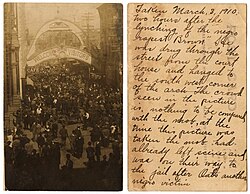
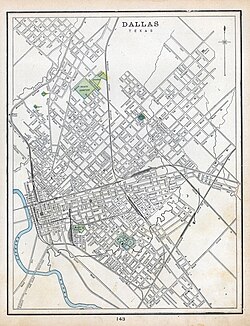
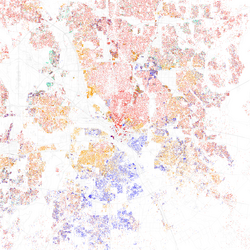
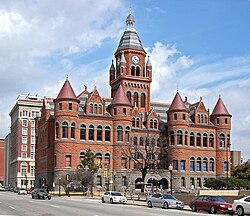
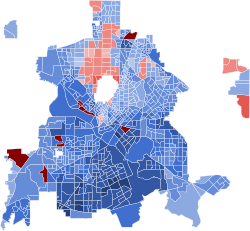
The history of Dallas is a tapestry of rapid growth and significant social milestones. From early maps by George C. Cram in 1890 to the complex racial dynamics documented in the 2010 census, the city has navigated a path of constant transformation.
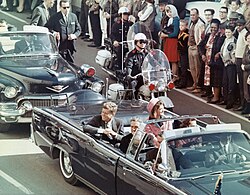
Dallas is globally recognized for its connection to the 1963 assassination of President John F. Kennedy, with the Sixth Floor Museum and Dealey Plaza serving as solemn reminders of this event.
Arts, Museums, and Recreation
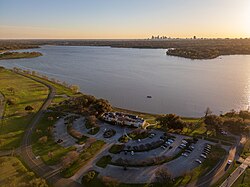
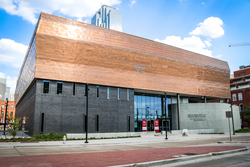
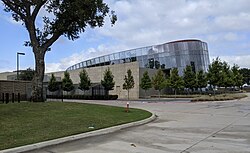
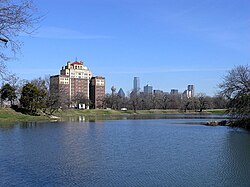
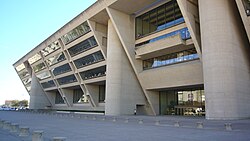
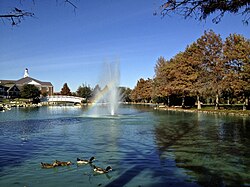
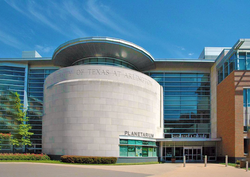
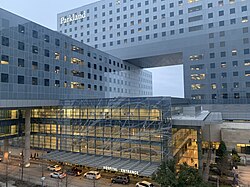
The city is a bastion of the arts, featuring the Perot Museum of Nature and Science, the Dallas Holocaust and Human Rights Museum, and the Dallas Public Library. For outdoor enthusiasts, White Rock Lake and the Katy Trail offer scenic escapes within the urban environment.
Economy and Infrastructure
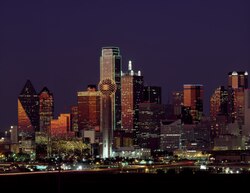
Dallas is a corporate titan, hosting headquarters for some of the world's largest companies. The economy is diversified across telecommunications, energy, and healthcare.
| Corporation | US Rank |
|---|---|
| AT&T | 1 |
| Energy Transfer Equity | 79 |
| Tenet Healthcare | 134 |
| Southwest Airlines | 138 |
| Texas Instruments | 206 |
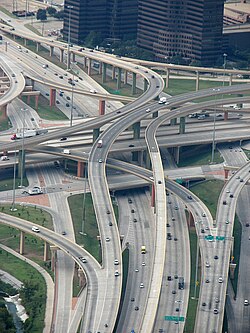
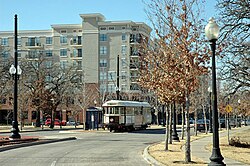
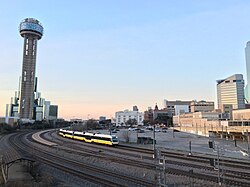
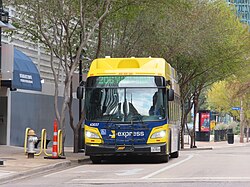
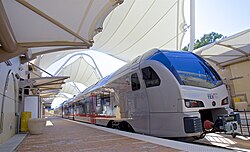
Transportation is managed through a sophisticated network of highways, including the "High Five Interchange," and the Dallas Area Rapid Transit (DART) rail system.
Sports and Entertainment
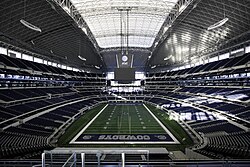
Sports are central to the Dallas identity. The city is home to the Dallas Cowboys, who play at the massive AT&T Stadium, and the Dallas Mavericks, famously associated with NBA star Dirk Nowitzki.
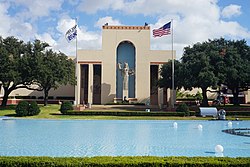
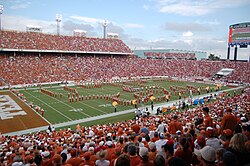
Additionally, the Cotton Bowl remains a legendary venue, hosting the annual Red River Showdown. The State Fair of Texas at Fair Park is one of the city's most anticipated annual events.
Education and Research
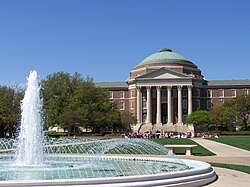
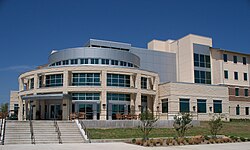
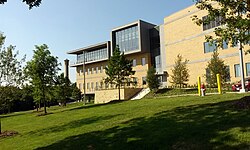
Dallas is a hub for higher education, featuring institutions such as Southern Methodist University (SMU), Dallas Baptist University, and the University of Texas at Dallas. The city also hosts specialized medical research through UT Southwestern.
Frequently Asked Questions

![In 2020, Dallas Fort Worth International Airport was the busiest airport in the world by passenger traffic.[310]](/images/f6/45/f6450055f8597bdefa14940b52bd5aea9b78ccf96332d0c8854eafe240b707f0.jpg)
What are the common nicknames for Dallas?
Dallas is frequently called Big D, D-Town, Triple D, or referred to by its primary area code, 214.
Which airport serves the Dallas area?
The region is served by the Dallas Fort Worth International Airport, which was the busiest airport in the world by passenger traffic in 2020.
What is the demographic makeup of Dallas?
As of 2020, the population is approximately 42.3% Hispanic or Latino, 28.1% White (non-Hispanic), 22.9% Black or African American, and 3.7% Asian.
What are some of the top cultural attractions in Dallas?
Key attractions include the Arts District, the Perot Museum of Nature and Science, the Sixth Floor Museum at Dealey Plaza, and the Dallas Arboretum and Botanical Garden.
How is the city government structured?
Dallas utilizes a council-manager form of government, consisting of the Dallas City Council and a Mayor.