Hipólito Yrigoyen: The Architect of Argentine Democracy
Juan Hipólito del Sagrado Corazón de Jesús Yrigoyen stands as one of the most pivotal figures in Argentine political history. Serving as the 19th and 21st President of Argentina, Yrigoyen was more than just a political leader; he was the primary catalyst for the transition from an oligarchic system to a representative democracy. He holds the distinction of being the first president elected under the Sáenz Peña Law, which guaranteed secret, universal, and mandatory male suffrage.
His journey from a young police commissioner to the presidency was marked by armed rebellions, academic pursuits, and a steadfast commitment to electoral reform. Yrigoyen's legacy is inextricably linked to the Radical Civic Union (UCR), a party he helped shape to challenge the conservative dominance of his era.
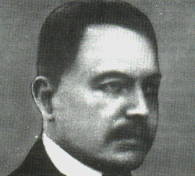
Key Facts
- First Democratic President: First Argentine president elected via secret and mandatory male suffrage.
- Political Affiliation: Leading figure of the Radical Civic Union (UCR).
- Presidential Terms: Served from 1916–1922 and again from 1928–1930.
- Legislative Impact: Prime impetus behind the 1912 Sáenz Peña Law.
- Academic Background: Taught history, philosophy, and civic instruction for 24 years.
Early Life and Political Awakening
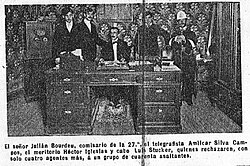
Born on July 12, 1852, in Buenos Aires, Yrigoyen entered public service in 1870. His early career was heavily influenced by his uncle, Leandro N. Alem, a towering figure in the struggle against the ruling elite. By age 20, Yrigoyen was appointed Police Commissioner of Balvanera, while simultaneously pursuing law studies.
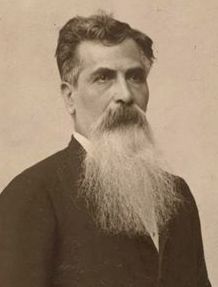
In 1877, Yrigoyen joined Alem and Artistóbulo del Valle to form the Republican Party. This period was marked by volatility; Yrigoyen was expelled from his police duties in 1877 but was elected as a Provincial Deputy in 1878. His early political trajectory was defined by a tension between institutional participation and revolutionary action, particularly during the federalization of Buenos Aires in 1880.
The Educator and the Revolutionary
Parallel to his political activism, Yrigoyen spent over two decades as a professor at the Normal School for Teachers. He taught Argentine history, philosophy, and civic instruction. Interestingly, Yrigoyen employed a progressive pedagogical method, acting as a moderator while granting students responsibility over the classes.
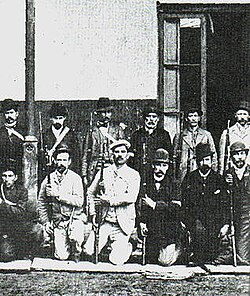
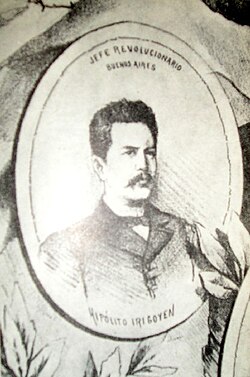
Despite his academic role, Yrigoyen remained a revolutionary. He was a key figure in the 1890 movement and later the Revolution of 1905. His commitment to the cause was such that he donated his teaching salary of 150 pesos to the Children's Hospital and the Asylum for Defenseless Children.
The 1905 Uprising and Exile
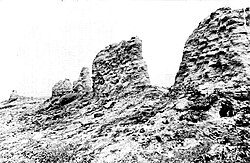
The Revolution of 1905 saw Yrigoyen leading an armed struggle against the government. While the uprising was eventually repressed, Yrigoyen used the success of his estancias (large landed estates) to financially support exiled leaders. He later led the Association of May to secure amnesty for imprisoned revolutionaries, a goal achieved after the death of President Manuel Quintana in 1906.
The Path to Electoral Reform
For decades, Argentina's elections were controlled by conservative factions. The turning point came with President Roque Sáenz Peña, who sought to dismantle the oligarchic system. This culminated in the Sáenz Peña Law of February 10, 1912, which established the framework for fair elections: they were to be secret, universal, and mandatory for men.
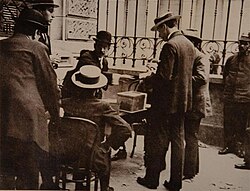
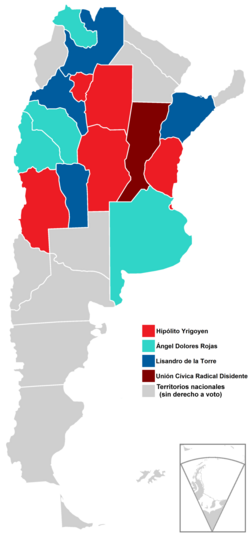
The Radical Civic Union (UCR) capitalized on this reform. In 1916, after initially hesitating to accept the nomination, Yrigoyen was convinced by party delegates that his leadership was essential for the survival of the movement. He accepted the candidacy and won a historic victory.
Presidential Terms and Legacy
Yrigoyen's first presidency (1916–1922) marked the first time the Argentine people exercised true electoral power. His administration faced significant challenges, including a Senate that remained dominated by old-guard conservatives due to slow constitutional turnover. Despite this, the UCR maintained strong popular support, winning substantial votes in the 1918 and 1920 legislative elections.
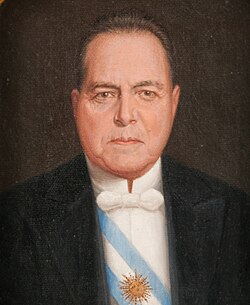
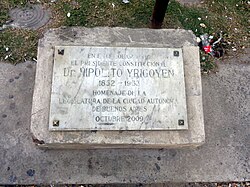
After a hiatus, Yrigoyen returned to the presidency in 1928. However, his second term ended abruptly on September 6, 1930, when he was overthrown in a military coup led by José Félix Uriburu. Yrigoyen spent his final years in relative seclusion, passing away on July 3, 1933, at the age of 80.
Summary of Presidential Terms
| Term | Period | Vice President | Preceded By | Succeeded By |
|---|---|---|---|---|
| First Presidency | 1916 – 1922 | Pelagio Luna | Victorino de la Plaza | Marcelo T. de Alvear |
| Second Presidency | 1928 – 1930 | Enrique Martínez | Marcelo T. de Alvear | José Félix Uriburu (de facto) |
Frequently Asked Questions
What was the significance of the Sáenz Peña Law?
The Sáenz Peña Law of 1912 was revolutionary because it ended the era of fraudulent elections by establishing secret, universal, and mandatory male suffrage for national offices, allowing Hipólito Yrigoyen to become the first democratically elected president.
What was Yrigoyen's relationship with Leandro N. Alem?
Leandro N. Alem was Yrigoyen's uncle and a primary political role model. Alem's influence helped Yrigoyen enter politics and shaped his commitment to the Radical Civic Union (UCR).
How did Yrigoyen fund the revolutionary movements?
Yrigoyen utilized the financial success of his estancias (landed estates) to provide monetary support to revolutionary leaders who had been forced into exile.
Why did Yrigoyen struggle with the Senate during his first term?
Despite winning the presidency and legislative votes, the Senate's slow constitutional turnover meant the upper chamber still consisted of members from the previous conservative era, who often blocked Yrigoyen's proposals.
How did Yrigoyen's second presidency end?
His second term ended on September 6, 1930, when he was removed from power by a de facto military coup led by José Félix Uriburu.