The Versatile World of Herbs: From Culinary Delights to Ancient Medicine
Herbs are among the most versatile gifts of the natural world. Whether they are being used to elevate a gourmet dish, soothe a physical ailment, or provide a calming fragrance, these plants have been integral to human life for millennia. While we often use the term "herb" casually, the word actually carries different meanings depending on whether you are speaking to a chef, a botanist, or a historian.
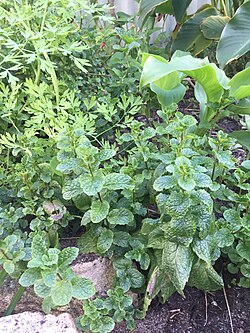
In a general sense, herbs are plants used for their savory or aromatic properties. They are primarily used for flavoring food, medicinal purposes, or creating fragrances. However, to truly understand them, we must look at the distinction between culinary uses and botanical definitions.
Key Facts
- Culinary Distinction: Herbs typically refer to the leafy or flowering parts of a plant, while spices are derived from seeds, bark, roots, or fruits.
- Botanical Definition: In botany, an herb is a plant that lacks a woody stem and whose above-ground parts die back at the end of the growing season.
- Historical Depth: Evidence of herbal medicine dates back to the Sumerians as early as 5000 BCE.
- Medicinal Power: Many herbs contain phytochemicals (naturally occurring chemical compounds) that can affect human health.
- Global Traditions: Herbalism is the foundation of major medical systems, including Traditional Chinese Medicine and Ayurveda.
Understanding the Definition: Botany vs. Culinary Use
In the world of science, the term "herb" has a very specific meaning. A botanical herb is a small, seed-bearing plant that does not produce a woody stem. These plants are categorized by their life cycles: annuals (which grow and die within one season), biennials (which take two years to complete their cycle), and perennials (which live for multiple years). The term "herbaceous" is used to describe plant parts that are green and soft in texture.
This botanical definition stands in contrast to shrubs, which are less than ten meters tall, and trees, which can grow larger than ten meters. Interestingly, many plants we call "herbs" in the kitchen, such as rosemary or sage, are technically shrubs because they possess woody stems and do not die back completely each year.
Comparing Herbs, Spices, and Botanical Herbs
| Category | Primary Plant Part Used | Key Characteristic |
|---|---|---|
| Culinary Herb | Leaves or flowers | Used in small amounts for flavor or aroma. |
| Spice | Seeds, bark, roots, or fruit | Usually dried and provides intense flavor. |
| Botanical Herb | Entire aerial plant | Non-woody; dies back to the ground annually. |
A Rich History of Herbalism
The study of plants is as old as civilization itself. The ancient Greek philosopher Theophrastus was among the first to categorize the plant world into trees, shrubs, and herbs. Similarly, the Talmud, a foundational Jewish text, mentions approximately fifteen different herbs used for seasoning. Historically, herbs were often grouped into three categories: pot herbs (like onions), sweet herbs (like thyme), and salad herbs (like wild celery).

During the Middle Ages, the use of herbs was deeply tied to humoral theory—the belief that the body's health was governed by different "humors" or temperaments. It was thought that certain foods could alter these temperaments. For example, 14th-century recipes often combined parsley and sage in "green sauce" to settle the temperament and whet the appetite of those dining.
Culinary and Aromatic Applications
In the kitchen, culinary herbs are used to provide flavor rather than substance. They are distinct from vegetables because they are typically used in much smaller quantities. The variety of life cycles in culinary herbs is vast: basil is an annual, parsley is a biennial, and thyme is a perennial. Some plants, such as coriander, are unique because they can be used as both an herb (the leaves) and a spice (the seeds).
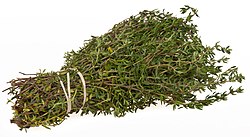
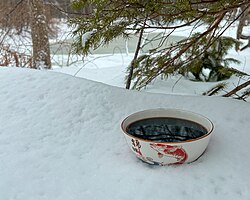
Beyond savory cooking, herbs are frequently used to create tisanes, or herbal teas. These are infusions made by soaking dried or fresh leaves, flowers, or seeds in boiling water. Unlike traditional tea, herbal infusions are typically aromatic and do not contain caffeine or tannins, making them popular for relaxation or ritualistic use.
The Science and Tradition of Medicine
Herbal medicine has been practiced since prehistoric times. The physician Galen, active in 162 CE, was famous for creating complex remedies that utilized up to 100 different ingredients. Today, we understand that many herbs contain phytochemicals that can have significant effects on the body. For instance, extracts from St. John's-wort or kava are used to address stress and depression.
However, medicinal use requires caution. While small amounts used in cooking are generally safe, larger quantities can lead to toxicity. Furthermore, certain herbs can interact dangerously with prescription medications. This balance between healing and harm is a central theme in the history of pharmacology.
Global medical traditions have long relied on plant life. Traditional Chinese Medicine and the Indian Ayurvedic system are both rooted in herbalism. In the West, the roots of herbal medicine can be traced back to the Hippocratic Greek system. Throughout history, many famous figures have contributed to this field, including Avicenna, Paracelsus, and the English herbalist Nicholas Culpeper.
![Nicholas Culpeper was an English botanist, herbalist, physician, and astrologer.[16] (etching by Richard Gaywood between 1644 and 1662)](/images/92/e7/92e70f1c23e3889ef6dd072334948aa8882d57424a871abb552cddf7a98da758.jpg)
Beyond organized medicine, many cultures have utilized plants for psychoactive, religious, or indigenous healing purposes. Indigenous Australian peoples developed "bush medicine" using plants like eucalyptus and river mint to treat ailments such as fever and coughs. Similarly, plants like cannabis and coca have been used for religious and recreational purposes for thousands of years.
Ritual, Cosmetics, and Other Uses
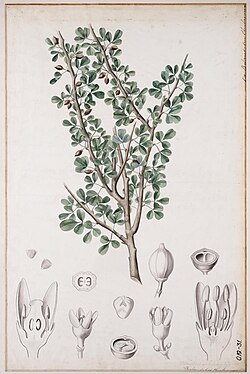
Herbs hold a sacred place in many religions. From the use of myrrh and frankincense in Hellenistic religion to the use of white sage for spiritual cleansing in Wicca and Cherokee traditions, plants are often seen as bridges to the spiritual realm. In some cultures, such as the Rastafari, certain plants are considered holy.
The beauty of herbs extends to the cosmetic industry as well. For over six centuries, herbal mixtures have been used in Europe to create skin treatments. Modern herbal cosmetics include everything from face creams to sunscreens, often utilizing partition chromatography—a process of separating components in a solution—to extract natural oils for products like lipstick.
Finally, herbs have even served practical household purposes through "strewing." In the Middle Ages, fragrant or astringent plants like meadowsweet were scattered across floors to act as natural disinfectants or to repel insects like fleas.
Frequently Asked Questions
What is the main difference between an herb and a spice?
The primary difference lies in which part of the plant is used. Herbs generally refer to the leafy green or flowering parts of a plant, whereas spices are typically dried parts such as seeds, bark, roots, or fruits.
What does "herbaceous" mean in botany?
In botany, "herbaceous" describes a plant that has a soft, green texture and lacks a woody stem. These plants often die back to the ground at the end of their growing season.
Can all herbs be used for medicinal purposes?
While many herbs have medicinal properties due to their phytochemical content, they must be used with caution. Some herbs can be toxic in large doses or may cause serious complications when mixed with prescription drugs.
How are perennial herbs typically reproduced?
Perennial herbs are often reproduced through stem cuttings. This involves taking a 3 to 4-inch piece of stem (either softwood or hardwood), stripping the lower leaves, and placing it in a growth medium or water under conditions of high humidity and sufficient light.
What are "strewing herbs"?
Strewing herbs are plants that were historically scattered across floors in buildings. They were used because of their fragrant or astringent scents, which helped to freshen the air or act as natural insect repellents and disinfectants.