Heraldic Badges: The Symbols of Allegiance and Power
A heraldic badge—also known as an emblem, impresa, or device—is a graphic symbol used to indicate allegiance to, or the property of, an individual, family, or corporate body. Unlike a formal coat of arms, which was historically reserved for a specific individual, badges were designed for wider display. These symbols are considered para-heraldic because they do not always derive from the owner's official coat of arms, though they frequently borrow elements from the crest or supporters.
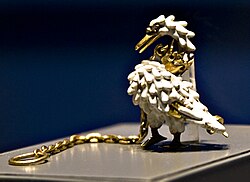
In the late Middle Ages, particularly in England, these badges were worn on clothing to signal loyalty. While some were simple items made of cloth or base metal, others were masterpieces of jewelry. The Dunstable Swan Jewel, crafted from enamelled gold, serves as a rare example of the high-status badges worn by nobility.
Key Facts
- Purpose: Used to show loyalty to a lord or identify the ownership of property.
- Flexibility: Unlike coats of arms, badges could be worn by retainers and followers.
- Materials: Ranged from cheap lead and fustian cloth to gold, pearls, and precious gemstones.
- Evolution: Transitioned from medieval livery signs to Renaissance intellectual "impresas" and modern royal symbolism.
- Legal History: Parliament repeatedly attempted to ban livery badges in the 14th century to curb the power of private armies.
The Rise of Livery Badges in Medieval England
Badges with a distinct heraldic character became prominent during the reign of King Edward III (1327–1377). During the 14th through 16th centuries, powerful houses used these symbols so their followers and partisans could be easily recognized. While a coat of arms was exclusive, a livery badge (a badge worn by retainers) was a public declaration of affiliation.
These symbols often commemorated a great exploit, illustrated a feudal alliance, or functioned as a rebus—a visual pun on the owner's name. It was common for a single family to employ multiple badges or combine them into a compound device.
Social Status and Material Wealth
The quality of a badge reflected the wearer's rank. High-ranking individuals wore lavish versions; for example, King Richard II's white hart badge was known to be adorned with pearls, spinels, sapphires, rubies, and diamonds. In contrast, the general populace wore cheaper versions made of lead or cloth. King Richard III once ordered 13,000 fustian cloth badges featuring a white boar for the investiture of his son, Edward, as Prince of Wales.
Political Danger and Legal Restrictions
Wearing the wrong badge could be perilous. In 1377, Sir John Swinton was attacked by a London mob for wearing the badge of the unpopular Regent John of Gaunt. Because badges denoted the private armies of lords, they were often viewed as a social menace. Parliament attempted to abolish them in 1388, arguing that those wearing them acted with "insolent arrogance" and committed extortion.
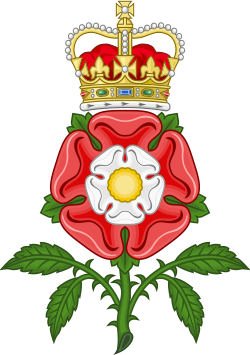
It was not until the reign of Henry VII that the use of livery badges by the nobility was largely suppressed, restricting them primarily to household servants. However, royal badges continued to flourish, most notably the Tudor Rose, which symbolized the union of the House of York and the House of Lancaster.
Renaissance Personal Devices and Impresas
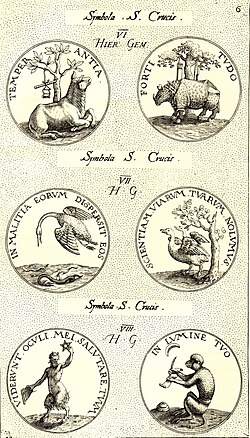
During the Renaissance, the badge evolved into a "personal device." These became more intellectual, often paired with a motto to convey the character or aspirations of the bearer. These impresas (allegorical badges) frequently utilized Neo-Platonism and were adopted by merchants and intellectuals who lacked formal heraldry.
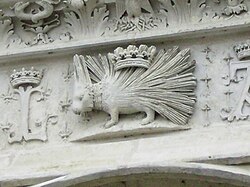
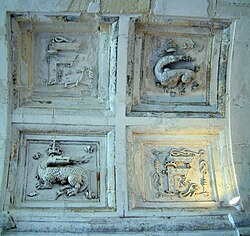
In France, royal devices became iconic architectural features. Louis XII used the porcupine with the motto "Eminus et cominus," while Francis I utilized a crowned salamander among flames with the motto "Nutrisco et extinguo." These symbols were so recognizable that the image alone identified the monarch.
Notable English and British Royal Badges
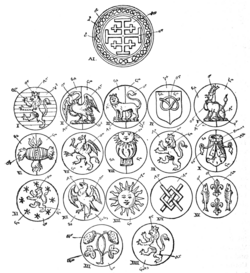
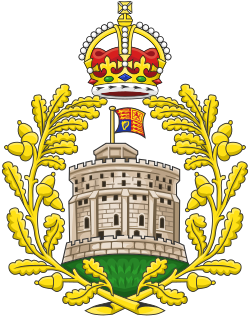
Throughout history, various monarchs adopted symbols that became synonymous with their reign. While the House of Hanover ceased using personal badges in 1714 in favor of Royal Cyphers, the tradition persists in the general badge of the House of Windsor.
| Symbol | Associated Person/Family | Significance |
|---|---|---|
| Tudor Rose | House of Tudor | Union of York (White) and Lancaster (Red) |
| White Boar | Richard III | Personal badge of the Duke of Gloucester |
| White Hart | Richard II | Personal royal symbol |
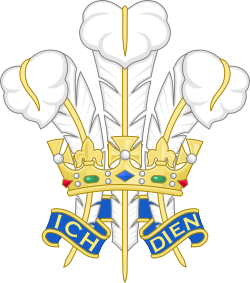
| Prince of Wales's Feathers | Prince of Wales | Derived from the "shield for peace" of the Black Prince |
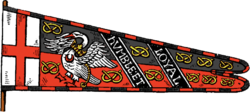
| Bohun Swan | De Bohun Family | Swan argent gorged and chained or |
Modern Revival
In 1906, the College of Arms revived the granting of heraldic badges. Today, they are often included in new grants of arms at the request of the grantee for an additional fee. These modern badges are typically illustrated on the letters patent and can be used on a heraldic standard (flag).
Frequently Asked Questions
What is the difference between a coat of arms and a heraldic badge?
A coat of arms is a formal, exclusive design belonging to a specific individual. A heraldic badge is a more flexible symbol that can be worn by followers, retainers, or employees to show their allegiance to that individual or family.
Why were livery badges considered dangerous in the Middle Ages?
They were seen as symbols of private armies. Lords used them to identify their retainers, who often used the protection and status of the badge to intimidate others or commit extortion in the countryside.
What is a rebus in heraldry?
A rebus is a type of badge that uses a visual pun or play-on-words based on the owner's name to create a symbolic image.
How did the Tudor Rose come to be?
The Tudor Rose was adopted by Henry VII to signify the end of the Wars of the Roses by combining the White Rose of York and the Red Rose of Lancaster into a single emblem.
Can people still get heraldic badges today?
Yes, the College of Arms has allowed the granting of heraldic badges since 1906. They are typically granted as an optional addition to a formal grant of arms.