Understanding Hemiptera: A Guide to the True Bugs
From the rhythmic buzzing of cicadas in the summer heat to the tiny, silent aphids on a garden leaf, members of the order Hemiptera are an omnipresent force in the natural world. Often referred to as "true bugs," this diverse group of insects includes over 80,000 species that play critical roles in our ecosystems—sometimes as helpful predators, and other times as challenging agricultural pests.
The name Hemiptera is derived from the Ancient Greek words hemi (half) and pteron (wing). This refers to a specific wing structure where the basal part is thickened and the distal part is membranous. While many members of the order share this trait, modern reclassification shows that some species possess wings that are uniform throughout.
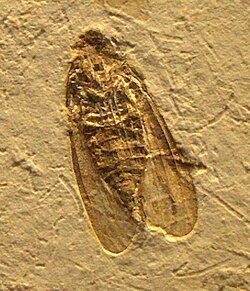
Key Facts
- Common Name: True bugs
- Species Count: Over 80,000 species
- Defining Feature: Piercing-sucking mouthparts
- Size Range: 1 mm to approximately 15 cm
- Temporal Range: Existing since the Moscovian period (approx. 307 million years ago)
Taxonomy and Diversity
The order Hemiptera is incredibly broad, spanning a massive range of biological forms. To manage this diversity, scientists divide the order into four primary suborders. Each suborder contains distinct groups with unique evolutionary histories and lifestyles.
The Four Suborders
The diversity of Hemiptera can be categorized by their physical characteristics and the environments they inhabit:
- Auchenorrhyncha: This group contains more than 42,000 species, including cicadas, leafhoppers, and planthoppers. They are primarily plant-suckers, and many are known for their ability to jump or produce loud acoustic calls.
- Heteroptera: Often considered the "true bugs" in a strict sense, this suborder includes over 45,000 species such as shield bugs, assassin bugs, and water bugs. They vary from predatory hunters to plant-feeders.
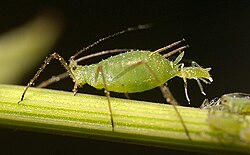
- Sternorrhyncha: Comprising about 12,500 species, this group includes aphids, whiteflies, and scale insects. They are mostly small, sedentary, and often act as significant horticultural pests.
- Coleorrhyncha: The smallest group, with fewer than 30 species of moss bugs. They are rarely observed and are found feeding on moss.
| Suborder | Approx. Species | First Appearance | Common Examples |
|---|---|---|---|
| Auchenorrhyncha | 42,000+ | Lower Permian | Cicadas, Leafhoppers, Planthoppers |
| Coleorrhyncha | < 30 | Lower Jurassic | Moss bugs |
| Heteroptera | 45,000+ | Triassic | Shield bugs, Assassin bugs, Water bugs |
| Sternorrhyncha | 12,500 | Upper Permian | Aphids, Whiteflies, Scale insects |
Biological Adaptations and Lifestyles
Specialized Mouthparts
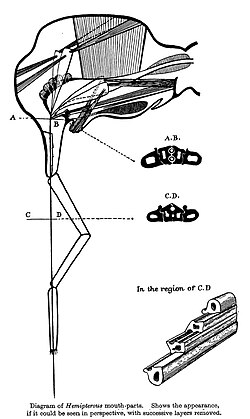
The most defining biological trait of all Hemiptera is their piercing-sucking mouthparts. Instead of chewing, these insects use specialized structures to penetrate surfaces—such as plant tissues or animal skin—to extract fluids. This mechanism allows them to exploit various food sources, from nutrient-rich sap to blood.
Feeding Modes and Ecological Roles
Hemipterans occupy several different niches within the food web:
- Herbivores: Many species, particularly in the Sternorrhyncha and Auchenorrhyncha suborders, feed on plant fluids like phloem and xylem sap.
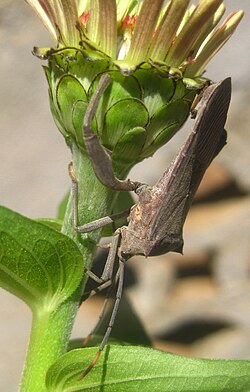
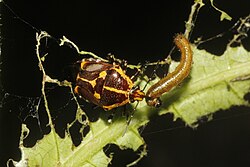
- Predators: Members of the Heteroptera, such as assassin bugs, are active hunters that prey on other insects.
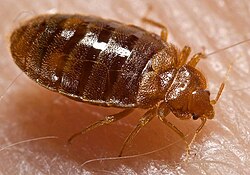
- Haematophagic Ectoparasites: Some species, like bed bugs, have evolved to feed on the blood of vertebrates.
Locomotion and Survival Strategies
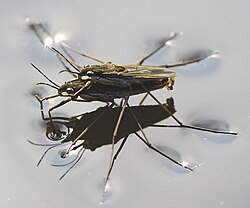
Hemipterans have developed remarkable ways to move and survive in their specific habitats. Some have mastered the art of aquatic life, using surface tension to "skate" across freshwater. Others have developed complex movement methods, such as Marangoni propulsion, to navigate water surfaces.
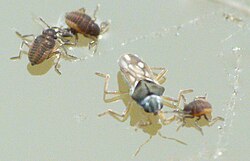
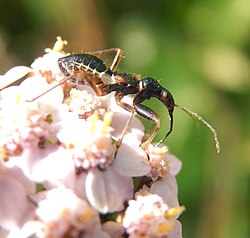
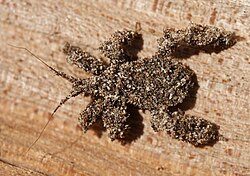
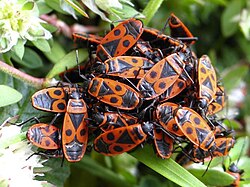
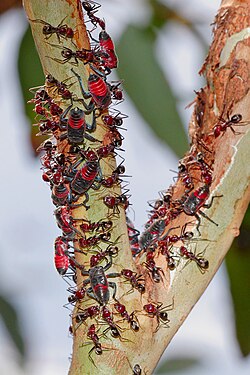
Defense is another area of high specialization. Some insects use aposematic coloration—bright, warning colors that signal to predators that they are unpalatable or dangerous. Others rely on camouflage, such as nymphs that coat themselves in sand grains to blend into their surroundings, or mimicry to look like more dangerous insects like ants.
Human Interaction: Pests, Products, and Food
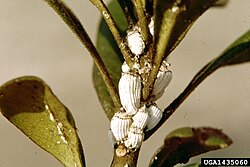
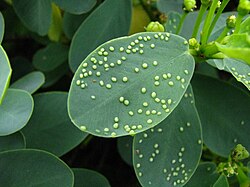
The relationship between humans and Hemiptera is complex. On one hand, many species are significant agricultural pests. Scale insects and aphids can devastate citrus crops or garden plants, often forming large colonies that drain plant energy.
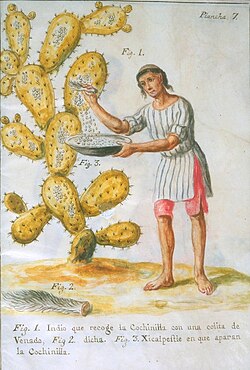
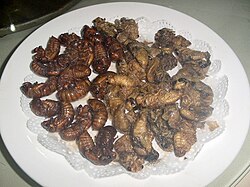
On the other hand, some Hemipterans have been utilized by humans for centuries. For example, cochineal scale insects have been collected for various purposes, and in certain cultures, insects like cicadas are consumed as part of traditional cuisine.
Unfortunately, some species are direct human parasites. Bed bugs are well-known for infesting human dwellings and feeding on blood, which can lead to significant discomfort and health concerns.
Additionally, some Hemipterans exist in symbiotic relationships. For instance, certain leafhoppers may be protected by ants, creating a mutually beneficial environment.
Frequently Asked Questions
What makes a "true bug" different from other insects?
While the term "bug" is often used colloquially for all insects, "true bugs" specifically refers to the order Hemiptera. They are distinguished by their unique piercing-sucking mouthparts.
Are all Hemiptera harmful to humans?
No. While some are pests (like aphids) or parasites (like bed bugs), many others are beneficial predators that help control other insect populations, or they play neutral roles in the ecosystem.
How do water bugs stay on top of the water?
Certain Hemipterans, such as pondskaters, are highly adapted to use surface tension to remain above the water surface without sinking.
What is aposematic coloration?
Aposematic coloration is a survival strategy where an insect uses bright, conspicuous colors to warn potential predators that it is toxic, distasteful, or otherwise dangerous to eat.
Can Hemiptera be used for pest control?
Yes. Because many Hemipterans are natural predators of other insects, they are often studied and used in biological pest control to manage agricultural pests naturally.