Heidi Simonis: A Trailblazing Career in German Politics
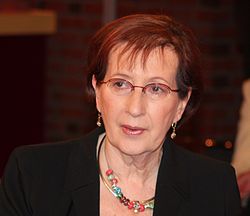
Heidi Simonis stands as a pivotal figure in German political history, most notably for breaking gender barriers in state governance. A dedicated member of the SPD (Social Democratic Party of Germany), her journey took her from the halls of the national parliament to the highest executive office in the state of Schleswig-Holstein.
Key Facts
- First Woman: The first woman in Germany to serve as a minister-president of a state.
- Bundestag Entry: Elected to the German Bundestag in 1976 as its youngest member at the time.
- State Leadership: Served as the minister-president of Schleswig-Holstein from 1993 to 2005.
- Humanitarian Work: Chaired the German Committee for UNICEF from 2005 to 2008.
Early Political Career and National Influence
Simonis began her formal political journey by joining the SPD in 1969. Her rise was rapid; by 1976, she was elected to the Bundestag (the federal parliament of Germany), representing the Rendsburg-Eckernförde district. At the time of her election, she held the distinction of being the youngest member of the parliament.
Leadership in Schleswig-Holstein
Simonis transitioned into state politics in 1988 when minister-president Björn Engholm appointed her as the minister of finance for Schleswig-Holstein. She further solidified her local standing by winning a seat in the state legislature during the 1992 elections.
A turning point occurred on May 19, 1993, following the resignation of Björn Engholm amid a scandal. Simonis was elected minister-president, making history as the first woman in Germany to reach this level of government. In her initial cabinet, she maintained continuity by retaining nearly all of her predecessor's ministers.
Navigating Electoral Challenges
Throughout her tenure, Simonis navigated various political climates. In the 1996 elections, despite the SPD's share dropping from 46.2% to 39.8%, she successfully formed a coalition government with the Greens. By the 2000 elections, the SPD's support rose to 43.1%, a result bolstered by the CDU's (Christian Democratic Union) donations scandal and the active campaigning of Chancellor Gerhard Schröder.
The 2005 Transition
The political tide shifted in 2005. Due to a poor economic climate, the SPD suffered a significant defeat, with support falling to 38.7%—the first time in nearly two decades that the party trailed the CDU in the state. On March 17, 2005, Simonis faced a deadlock in the Landtag (the state parliament). After four consecutive ballots, she failed to secure the absolute majority of 35 votes, receiving 34 votes in each round while her opponent, Peter Harry Carstensen of the CDU, also received 34 votes in the final rounds. Consequently, Simonis stepped down from her position.
Post-Political Life and UNICEF
After leaving state government, Simonis transitioned to the humanitarian sector, serving as the chairwoman of the German Committee for UNICEF from 2005 until February 2008. However, her tenure ended in resignation following a scandal involving donations to the organization.
| Year | Role/Event | Key Detail |
|---|---|---|
| 1969 | Joined SPD | Entry into party politics |
| 1976 | Bundestag Member | Youngest member of parliament |
| 1988 | Minister of Finance | Appointed in Schleswig-Holstein |
| 1993 | Minister-President | First woman to hold this rank in Germany |
| 2005 | Stepped Down | Following four inconclusive ballots |
| 2005-2008 | UNICEF Chairwoman | Led the German Committee for UNICEF |
Frequently Asked Questions
Why is Heidi Simonis historically significant in Germany?
She is historically significant for being the first woman in Germany to serve as a minister-president of a state.
How did Simonis first enter national politics?
She joined the SPD in 1969 and was elected to the German Bundestag in 1976, representing the Rendsburg-Eckernförde district.
What led to her departure as minister-president in 2005?
Following a decline in SPD support and a deadlock in the Landtag, she failed to achieve an absolute majority in four consecutive ballots, leading to her resignation.
What role did she play after her political career?
She served as the chairwoman of the German Committee for UNICEF from 2005 until February 2008.
Who was the minister-president before Heidi Simonis?
She succeeded Björn Engholm, who resigned due to a scandal in 1993.