Handysize Vessels: The Versatile Workhorses of Global Shipping
In the complex world of naval architecture, the term Handysize describes a specific class of smaller bulk carriers or oil tankers. These vessels serve as the flexible link in global trade, capable of reaching destinations that larger ships simply cannot access. While there is no single official definition regarding exact tonnages, they are generally recognized as vessels with a deadweight of up to 50,000 tonnes, though some industry definitions extend this span to 60,000 tonnes.
To better categorize these ships, the industry often distinguishes between those under 35,000 tonnes and those above that threshold, which are typically referred to as Handymax or Supramax.
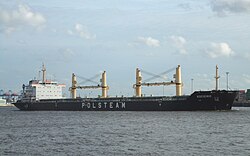
Key Facts
- Capacity: Generally up to 50,000 deadweight tonnes (DWT).
- Versatility: Able to enter smaller ports and handle a wide variety of cargo.
- Equipment: Most are "geared," meaning they possess their own cranes.
- Fleet Size: The most common bulk carrier size, with nearly 2,000 units in service.
- Total Tonnage: The Handysize fleet totals approximately 43 million tons.
Operational Advantages and Cargo Capabilities
The primary advantage of Handysize vessels is their accessibility. Their compact size allows them to enter smaller ports to collect and deliver cargoes. Furthermore, most of these ships are geared, meaning they are fitted with onboard cranes. This allows them to load and discharge cargo at ports that lack shoreside cranes or other specialized cargo handling systems.
Because of this flexibility, Handysize ships carry a more diverse range of goods than their larger counterparts. They frequently transport break bulk cargo—goods that must be loaded individually rather than in bulk—including:
- Steel products and metal ores
- Grain, phosphate, and cement
- Logs and woodchips
Technical Specifications and Construction
The current industry-standard specification for a Handysize bulker typically features a deadweight of approximately 32,000 metric tons on a summer draft of about 10 metres (33 ft). These vessels are generally designed with five cargo holds equipped with hydraulically operated hatch covers and four 30-metric ton cranes for efficient cargo handling.
Some specialized versions are fitted with stanchions, which are upright bars used to secure logs stacked on the deck. These specific vessels are commonly known as "handy loggers."
Global Manufacturing
Handysize bulkers are primarily constructed in shipyards across Asia, specifically in Japan, Korea, China, Vietnam, the Philippines, and India, although other nations maintain the capacity to build them.
Fleet Demographics
Despite a steady stream of new orders for these ships, the Handysize sector currently maintains the highest average age profile among the major bulk carrier sectors.
Handysize Vessel Summary
| Feature | Standard Specification |
|---|---|
| Typical Deadweight | Up to 50,000 tonnes (Standard: ~32,000 tonnes) |
| Summer Draft | Approximately 10 metres (33 ft) |
| Cargo Holds | 5 holds with hydraulic covers |
| Handling Equipment | 4 x 30 metric ton cranes |
| Primary Build Regions | Japan, Korea, China, Vietnam, Philippines, India |
Frequently Asked Questions
What does "geared" mean in the context of Handysize ships?
A geared vessel is one that is equipped with its own cargo-handling cranes, allowing it to operate independently of port infrastructure.
What is the difference between Handysize, Handymax, and Supramax?
While definitions vary, Handysize generally refers to ships up to 50,000 tonnes, while vessels exceeding 35,000 tonnes are often categorized as Handymax or Supramax.
What is a "handy logger"?
A handy logger is a Handysize vessel fitted with stanchions that allow logs to be securely stacked and transported on the ship's deck.
What types of cargo are typically carried by Handysize vessels?
They carry a wide variety of goods, including grain, steel products, cement, phosphate, metal ores, and woodchips.
Which countries are the main builders of these vessels?
The majority of Handysize bulkers are built in Asian shipyards, specifically in China, Japan, Korea, India, Vietnam, and the Philippines.