Ship Bow Design and Functionality
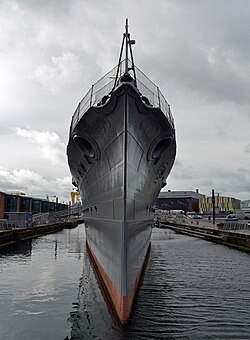
In naval architecture, the bow is the forward-most part of a ship or boat's hull. It is the point that leads the vessel as it moves forward through the water. While the bow defines the front, the opposite end of the vessel is known as the stern.
Often used interchangeably with the term prow, the bow is more than just a point of direction; it is a critical engineering component that determines how a vessel interacts with the water, affecting everything from fuel efficiency to safety in rough seas.
Key Facts
- The bow is the forward part of the hull; the prow specifically refers to the part above the waterline.
- The stem (or forestem) is the forward-most structural edge of the bow.
- Bow shapes are customized based on the vessel's intended speed, function, and the environment it navigates.
- Reserve buoyancy is provided by specific bow designs to prevent the ship from taking on too much water during pitching.
- The term "bow" originates from the Middle Dutch word boech.
The Function of the Bow
The primary purpose of a ship's bow is to allow the hull to pass through the water efficiently. The specific geometry of the bow is chosen to balance water resistance with the need to keep the deck dry.
Managing Water Resistance and Buoyancy
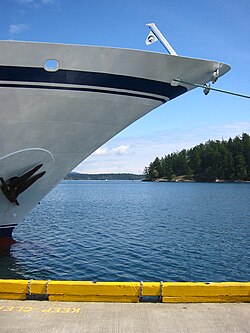
A well-designed bow reduces drag and blocks water from washing over the deck. In conditions where pitching (the up-and-down movement of the bow and stern) is likely, designers incorporate reserve buoyancy. A flared bow—characterized by a raked stem with topsides that curve outward—is particularly effective at reducing the amount of water shipped over the bow.
Design Variations by Vessel Type
The requirements for a bow vary wildly depending on the ship's mission:
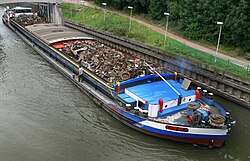
- Commercial Barges: Since inland waterway barges rarely encounter large waves, they often have a bluff bow and very little freeboard (the distance from the waterline to the upper deck).
- Military Vessels: Fast offshore ships require specialized bows to maintain speed and stability in heavy seas.
- Tankers and Slow Ships: These often utilize a fuller bow shape to maximize the internal volume of the ship relative to its length.
- Ice-breakers: These vessels feature reinforced bows specifically designed to crash through and break ice.
Anatomy and Types of Bows
The forward edge of the bow is called the stem. Historically, the stem was a metal or timber post that served as the joining point for the side plates or planks. While most modern ships have a straight stem, some traditional designs, such as Viking longships or Dutch "aak" barges, feature a curved prow.
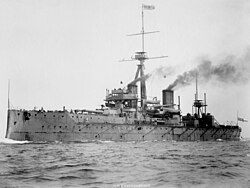
Depending on the vessel's needs, engineers may employ several different bow styles:
| Bow Type | Primary Characteristic |
|---|---|
| Straight-stem | A vertical or nearly vertical forward edge. |
| Plumb bow | A bow that drops vertically into the water. |
| Raked bow | A bow that slopes forward from the deck. |
| Flared bow | Topsides that curve outward to increase buoyancy. |
| Clipper bow | A forward-curving bow designed for speed and wave cutting. |
| Spoon bow | Available in high-chin or low-chin variations for specific hydrodynamics. |
Frequently Asked Questions
What is the difference between the bow and the prow?
While often used as synonyms, the bow refers to the entire forward part of the hull, whereas the prow specifically refers to the foremost part of the bow that sits above the waterline.
What is a flared bow and why is it used?
A flared bow has a raked stem and topsides that curve outward. This design increases reserve buoyancy, which helps prevent water from washing over the deck when the ship pitches in rough seas.
What is the "stem" of a ship?
The stem, or forestem, is the very forward part of the bow. In traditional shipbuilding, it was the central post to which the hull's side planks or plates were attached.
Why do barges have different bows than military ships?
Barges operate in calm inland waters and prioritize cargo volume, leading to fuller bow shapes and lower freeboard. Military ships operate in open oceans and require shapes that can handle heavy seas and high speeds.
How are ice-breaker bows different?
Ice-breakers have reinforced bows specifically engineered to withstand the impact and pressure of breaking through thick ice sheets.