Hananu Revolt: The Struggle Against the French Mandate in Northern Syria
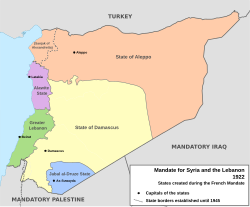
The Hananu Revolt, also known as the Aleppo Revolt or the Northern revolts, was a significant insurgency that swept through northern Syria between April 1920 and July 1921. Centered primarily in the western countryside of Aleppo, this uprising was a direct response to the establishment of the French Mandate of Syria, a colonial administration that sought to control the region following the collapse of the Ottoman Empire.
Led by Ibrahim Hananu, a former Ottoman military instructor, the revolt was not a single unified army but a network of allied insurgencies. These groups operated across four primary military zones: Jabal Harim, Jabal Qusayr, Jabal Zawiya, and Jabal Sahyun. The movement relied heavily on guerrilla warfare, targeting French infrastructure and military garrisons to challenge foreign rule.
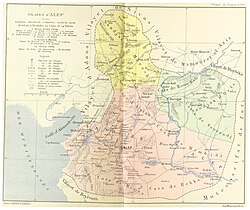
Key Facts
- Duration: April 1920 – July 1921 (with low-level insurgency continuing until August 1926).
- Primary Leader: Ibrahim Hananu.
- Core Objective: Opposition to the French Mandate of Syria.
- Key Allies: Turkish forces under Mustafa Kemal and the Alawite Revolt led by Saleh al-Ali.
- Outcome: French military victory, though it fueled long-term Syrian nationalism.
- Military Strength: Approximately 5,000 irregular rebels against roughly 20,000 French troops in the region.
The Path to Insurgency
Following the end of World War I in 1918, Allied Forces and the Sharifian army removed Ottoman control from Syria. Emir Faisal established a rudimentary government in Damascus, which extended its reach to Homs, Hama, and Aleppo. However, France claimed special interests in the region based on the Sykes-Picot agreement and moved to establish a mandate.
As British forces withdrew in December 1919, Faisal's government became vulnerable. To hinder French advances from the coast toward the interior, Faisal supported the organization of northern rebels. He entrusted Ibrahim Hananu and Subhi Barakat with transforming local uprisings into a coordinated revolt.
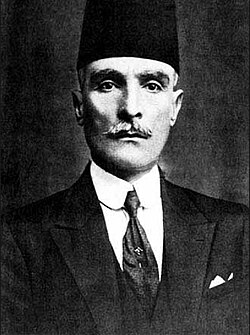
Phases of the Conflict
The First Phase and the Battle of Harim
The early stages of the revolt were characterized by opportunistic strikes. On April 18, 1920, Hananu launched an attack on the French garrison at Harim, taking advantage of French military diversions in Gaziantep. Starting with only 50 irregulars, his force quickly grew to 400 as local villages joined the cause. Hananu successfully unified various rebel groups and formed alliances with the semi-nomadic Mawali tribesmen.
However, the momentum shifted in July 1920 when French forces occupied Aleppo city and the Arab government in Damascus was dissolved. This stripped the rebels of their primary political backing.
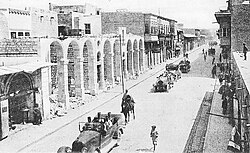
The Second Phase: Turkish Alliance and Escalation
The revolt was revitalized in November 1920 through a strategic alliance with Mustafa Kemal, the leader of Turkish forces in Anatolia. Kemal provided Hananu with arms, funds, and military advisers, as both parties shared a common enemy in the French military.
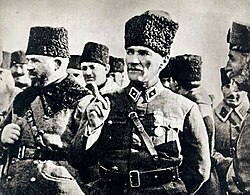
With this support, Hananu's forces grew to approximately 5,000 irregulars. They engaged in widespread sabotage of telegraph lines and railroads, disrupting French movements between Aleppo, Alexandretta, and Beirut. At its peak, Hananu established a quasi-state in the region between Aleppo and the Mediterranean.
Suppression and Final Engagements
The tide turned in the spring of 1921. Following diplomatic agreements between France and Turkey, Turkish military support for the rebels dissipated. High Commissioner Henri Gouraud reinforced the region with over 20,000 troops, leading to a series of rebel defeats. In July 1921, the French captured the final stronghold in Jabal Zawiya.
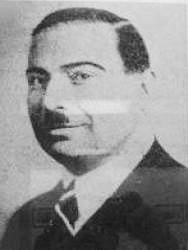
Hananu fled to Transjordan but was eventually arrested in Jerusalem and extradited back to Syria. Despite his capture, he was later acquitted of all charges in court.
Rebel Organization and Tactics
The insurgency was organized into ḥarakat al-′iṣābāt (movement of bands). Each 'iṣābā (band) consisted of 30 to 100 mujahidin (fighters) led by a ra'īs (commander), typically a local clan head or notable.
The rebels focused on guerrilla tactics: hit-and-run attacks, sabotage of key infrastructure, and the capture of small French detachments. In contrast, the French forces utilized superior numbers, organized columns, and aerial bombardments to break rebel resistance and punish supportive villages.
Legacy and Political Impact
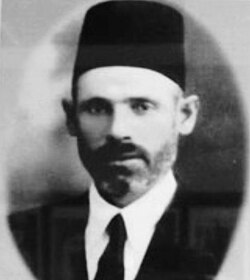
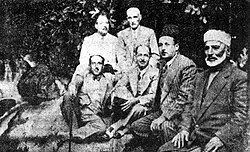
While the French achieved a military victory, the Hananu Revolt left a lasting political mark. It shifted the Muslim elite of Aleppo toward Arab nationalism and established Ibrahim Hananu as a national hero. This transition from armed struggle to political diplomacy led to the formation of the National Bloc in 1928, which advocated for Syrian independence through diplomatic means until 1946.
| Category | Details |
|---|---|
| Primary Belligerents | France (Army of the Levant) vs. Northern Syrian Rebel Groups |
| Key Military Zones | Jabal Harim, Jabal Qusayr, Jabal Zawiya, Jabal Sahyun |
| External Support | Turkey (Mustafa Kemal), Syria, Transjordan |
| Major Tactics | Guerrilla warfare, infrastructure sabotage, irregular bands |
| Long-term Result | Rise of the National Bloc and Syrian Arab nationalism |
Frequently Asked Questions
Who was Ibrahim Hananu?
Ibrahim Hananu was a former Ottoman military instructor and municipal official who became the primary leader of the insurgency against French rule in northern Syria from 1920 to 1921.
What was the role of Turkey in the revolt?
Mustafa Kemal and Turkish forces provided essential military aid, including arms, funding, and advisers, to Hananu's rebels to pressure the French during territorial negotiations in southern Anatolia.
How did the revolt end?
The revolt ended in July 1921 after French forces captured the stronghold of Jabal Zawiya and Turkish support ceased. Hananu was captured and extradited, though he was eventually acquitted.
Did the fighting stop completely in 1921?
No. While the main revolt was suppressed, low-level insurgencies continued. The last major military engagement involving these northern rebel remnants occurred on August 8, 1926, during the Great Syrian Revolt.
What was the National Bloc?
The National Bloc was a political organization founded in 1928 by leaders including Hananu. It shifted the strategy against French rule from armed insurgency to diplomatic negotiation.