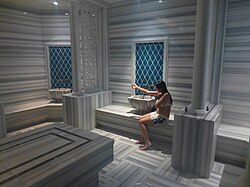
Hammam: The History and Architecture of Islamic Bathhouses
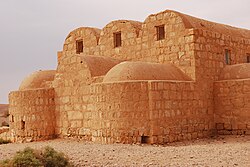
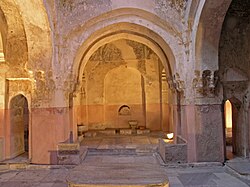
The hammam (Arabic: حمّام) is a traditional steam bath and public bathing facility central to the culture of the Islamic world. Often referred to by Westerners as a "Turkish bath," the hammam is more than just a place for hygiene; it is a civic and religious institution. Inherited from the model of Roman thermae, these bathhouses became essential features of urban life across the Middle East, North Africa, Central Asia, the Indian subcontinent, and Southeastern Europe.
In Islamic societies, the hammam served a dual purpose. Religiously, it provided a space for ritual ablutions (ceremonial washing), and civically, it ensured general hygiene in an era before private indoor plumbing. Beyond cleanliness, hammams functioned as vital social hubs, offering gender-segregated meeting places where men and women could gather and socialize.
Key Facts
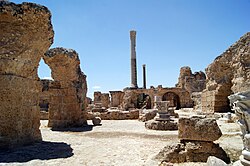
- Origins: Evolved from Greek and Roman bathhouse layouts.
- Core Purpose: Facilitates both religious ritual purity and general public hygiene.
- Standard Layout: Typically consists of a sequence of rooms: undressing, cold, warm, and hot.
- Heating Method: Uses furnaces to create steam and hot air channeled under floors via conduits.
- Bathing Style: Primarily uses running water for washing, adhering to Islamic requirements, though some regions (like Iran and Egypt) historically used immersion pools.
The Experience and Ritual of Bathing
A visit to a traditional hammam follows a specific progression designed to induce perspiration and deep cleansing. Visitors first enter an undressing area, where they retain a modesty garment or loincloth. They then move through a series of rooms that increase in temperature.
Once in the hot room, bathers are typically scrubbed with soap and vigorous rubbing by staff of the same gender. The process concludes with a final rinse in warm water. This differs from the ancient Roman or Greek tradition of immersing the body in standing water, as Islamic practice emphasizes the use of running water.
Architecture and Engineering
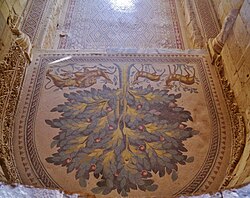
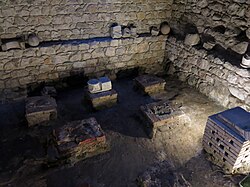
The architecture of the hammam is a testament to ancient engineering. To maintain high temperatures, these buildings utilized a hypocaust system—a method where furnaces heated the air and water, channeling the heat through conduits beneath the floors and sometimes through the walls.
The Standard Room Sequence
Most hammams follow a logical progression of temperature zones:
- Undressing Room: The entry point for changing and resting.
- Cold Room: A transitional space to acclimate the body.
- Warm Room: A space for gradual heating.
- Hot Room: The central, most humid area where the primary bathing and massage take place.
Regional Variations
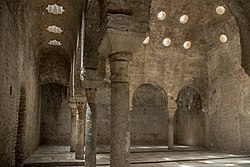
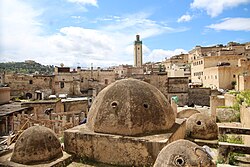
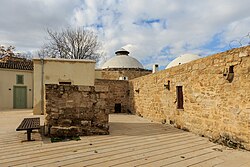
While the basic structure remained consistent, regional styles emerged. In the Maghreb and al-Andalus (Islamic Iberia), bathhouses often featured intricate vaulted ceilings and specific layouts. In Ottoman Turkey, many hammams were integrated into külliyes (religious and civic complexes) associated with mosques.
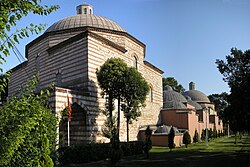
Regional Examples and Historical Sites
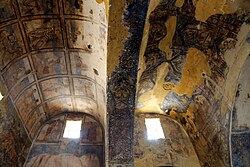
Turkey and the Ottoman Legacy
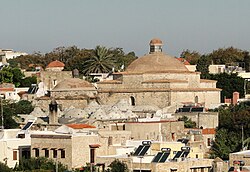
The Ottoman period saw the peak of hammam architecture, particularly in Bursa and Edirne. The legendary architect Mimar Sinan designed several masterpieces in the 16th century, including the Haseki Hürrem Sultan Hamam and the Süleymaniye Hammam. Turkey also utilized natural thermal springs, such as the Eski Kaplıca in Bursa.
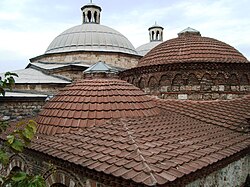
North Africa and Al-Andalus
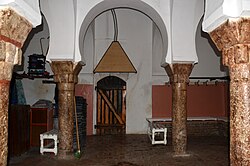
In Algeria, many Ottoman-era baths survive, such as Hammam Sidi Ramdan. In Spain and Portugal, the legacy of al-Andalus is visible in the remains of the Arab baths in cities like Granada and Valencia, characterized by their distinct domes and water systems.
![Hammam interior, showing water buckets and tilted floor (Baños del Almirante [es], Valencia)](/images/e5/09/e509d3b0b7203e09b6a8912fc7c13323958267c1b4b21d73a60c4a9313eb82e4.jpg)
Egypt and the Levant
Egypt has a long history of bathing, from Greek baths in Alexandria to Mamluk-era structures like the Sultan Inal Hammam (1456). Unlike some other regions, Egyptian hammams frequently featured hot water pools for immersion.
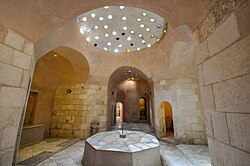
Other Regions
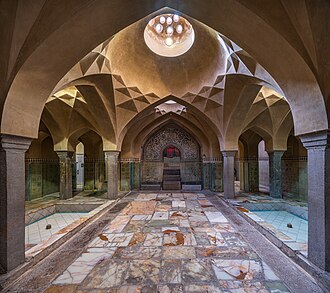
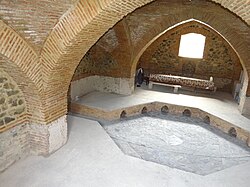
- Iran: Known for elaborate structures like the Sultan Amir Ahmad Bathhouse in Kashan.
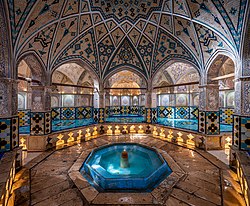
16th-century Sultan Amir Ahmad Bathhouse in Kashan, Iran. Part of it is now used as a teahouse. - Azerbaijan: Features unique underground structures like the Yeraltı Hammam in Sheki.
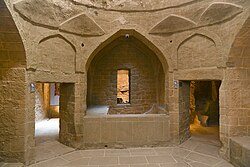
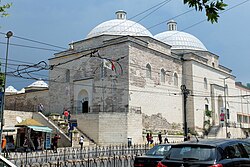
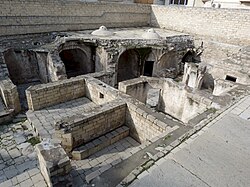
Baku's underground Yeraltı Hammam - Greece and Hungary: Ottoman rule left a lasting mark, with the Bey Hamam in Thessaloniki and the 16th-century baths of Budapest (such as the Rudas and Király baths) still standing.
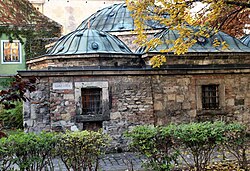
Király Baths building on Ganz Street, Budapest
Summary of Hammam Characteristics
| Region | Key Architectural Feature | Notable Example | Bathing Characteristic |
|---|---|---|---|
| Ottoman Turkey | Integration with Mosque complexes | Haseki Hürrem Sultan | High-domed steam rooms |
| Iran | Elaborate rooftop domes | Sultan Amir Ahmad | Historical use of immersion pools |
| Al-Andalus | Vaulted ceilings and mosaics | Bañuelo (Granada) | Strong Roman-influenced layout |
| Egypt | Mamluk and Fatimid styles | Sultan Inal Hammam | Frequent use of hot water pools |
Frequently Asked Questions
What is the difference between a hammam and a sauna?
While both use heat, a hammam is a steam bath that emphasizes humidity and the use of running water for cleansing, often involving a professional scrub. A sauna typically uses dry heat (though some are wet) and focuses more on sweating than ritual washing.
Why are hammams gender-segregated?
Hammams are segregated to adhere to Islamic modesty requirements, providing a private and safe social space for both men and women.
How was the heat generated in ancient hammams?
Heat was produced by furnaces that warmed water and air. This heat was then distributed through a hypocaust system, where conduits under the floors and inside the walls carried the hot air into the bathing rooms.
Are there still functioning hammams today?
Yes, many traditional hammams still operate in Turkey, Morocco, and other parts of the Islamic world. Some have been modernized for tourism, while others remain local community staples. In some European cities like Budapest, 16th-century Ottoman baths are still in use.
What is a peshtemal?
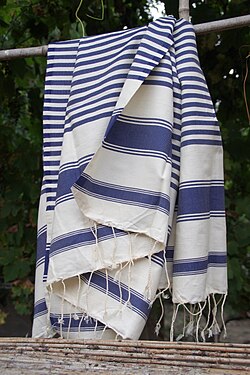
A peshtemal is a traditional thin, woven cotton towel used in hammams to maintain modesty while moving between the different temperature rooms.