Habitat and Habitat Types: The Foundations of Ecological Survival
In the study of ecology, a habitat is more than just a location; it is the specific array of resources and biotic factors—the living components of an environment—that support the survival and reproduction of a particular species. Essentially, a habitat is the physical manifestation of a species' ecological niche, which describes the functional role an organism plays within its ecosystem.
It is important to distinguish between a "habitat" and a "habitat-type." While a habitat is species-specific, a habitat-type refers to a broader environmental categorization based on geographical characteristics, such as climate and vegetation, which can support multiple different species.
Key Facts
- Habitat vs. Habitat-Type: A habitat is specific to one species, whereas a habitat-type describes a general environment (e.g., a rainforest) shared by many species.
- Generalists vs. Specialists: Habitat generalists can thrive in diverse conditions, while specialists require a very narrow set of environmental factors.
- Scale: Habitats can range from vast oceans to microscopic spaces, such as a single cell within a host's body.
- Deep Sea Extremes: Approximately 79% of the Earth's biosphere exists at depths greater than 1,000 meters.
- Chemosynthesis: In the absence of sunlight, deep-sea communities rely on microbes that convert chemicals like hydrogen sulfide into energy.
Environmental Factors Shaping Habitats
The suitability of a habitat is determined by a combination of physical and biotic factors. Physical factors include soil composition, moisture levels, temperature ranges, and light intensity. Biotic factors involve the availability of food sources and the presence or absence of predators.
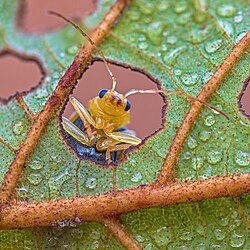
Depending on the species, a habitat may not be a traditional geographical area. For some, it may be the interior of a plant stem, a rotten log, or a clump of moss. Parasitic organisms, for instance, find their habitat within the body of a host, ranging from the digestive tract to a single cell.
Categorizing Habitat Types
Habitat types are categorized by their dominant environmental characteristics. These are generally split into terrestrial, freshwater, and marine systems.
Terrestrial Habitats
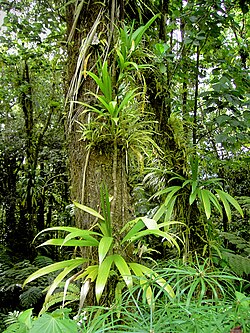
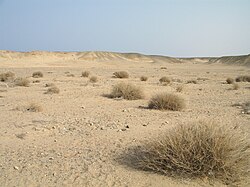
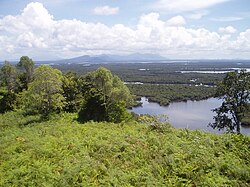
Land-based habitats vary wildly based on rainfall and temperature. These include arid regions like deserts, steppes, and savannas; forests ranging from boreal and temperate to tropical rainforests; and wetlands such as bogs, marshes, and fens.
Freshwater and Marine Habitats
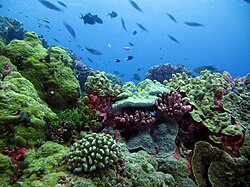
Freshwater habitats include rivers, lakes, and ponds. Marine habitats are more diverse, encompassing the intertidal zone, coral reefs, estuaries, and the open sea. The ocean is further divided into the photic zone (where light penetrates) and the aphotic zone (total darkness).
| Category | Examples | Key Characteristics |
|---|---|---|
| Arid | Desert, Steppe, Savanna | Low moisture, temperature extremes |
| Forest | Boreal, Tropical Rainforest, Cloud Forest | Dense vegetation, varying rainfall |
| Wetland | Bog, Marsh, Swamp, Vernal Pool | Saturated soil, aquatic-terrestrial transition |
| Marine | Coral Reef, Hydrothermal Vent, Abyssal Plain | Saltwater, varying pressure and light |
Extreme Habitats and Deep-Sea Adaptations
The vast majority of the ocean is inhospitable to humans. Below 200 meters, photosynthesis is impossible due to total darkness. Animals in these depths are either pelagic (swimming/drifting) or benthic (living on the seabed). To survive extreme pressure, these organisms use piezolytes—small organic molecules that keep proteins flexible—and unsaturated fats in their membranes to prevent solidification in the cold.
![Few creatures make the ice shelves of Antarctica their habitat, but water beneath the ice can provide habitat for multiple species. Animals such as penguins have adapted to live in very cold conditions.[1]](/images/af/d6/afd6cd5d5bf89e6e22c66405d84608b560f7ccd9f1fafa6ba5ae8e867f103354.jpg)
Hydrothermal Vents
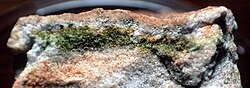
Discovered in 1977, hydrothermal vents occur where seawater is heated by magma and gushes forth at temperatures exceeding 340°C (640°F). These ecosystems rely on chemosynthesis, where bacteria and Archaea convert hydrogen sulfide or ammonia into organic molecules, supporting a diverse community of mollusks, crustaceans, and polychaete worms.
Habitat Change and Conservation
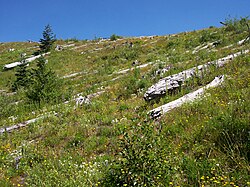
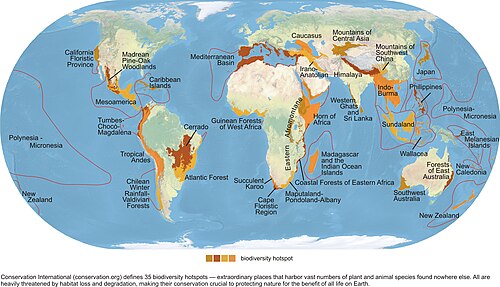
Habitats are subject to constant change, sometimes through natural succession—such as pioneer species returning to Mount St. Helens—and other times through human-driven destruction and fragmentation, where continuous habitats are broken into smaller, isolated patches.
Monotypic Habitats
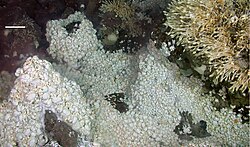
A monotypic habitat occurs when a single species forms a monoculture. While this may seem to lack biodiversity, some monotypic habitats, like those created by the exotic plant Hydrilla, can support rich invertebrate fauna. However, invasive species often create monotypic habitats that displace native flora and fauna, such as the yellow starthistle in California or zebra mussels in the Great Lakes.
Frequently Asked Questions
What is the difference between a habitat and an ecological niche?
A habitat is the physical place where an organism lives and the resources it uses. An ecological niche is the functional role the organism plays within that habitat, including its interactions with other species and its use of resources.
How do animals survive in the deep ocean without sunlight?
Deep-sea animals either rely on detritus drifting down from the surface or utilize chemosynthesis. Chemosynthesis allows microbes to produce energy from chemicals like hydrogen sulfide, which then forms the base of the food chain at hydrothermal vents.
What are habitat generalists and specialists?
Generalists are species that can survive in a wide variety of environmental conditions. Specialists are species that require a very specific, limited set of factors to survive, making them more vulnerable to habitat change.
What is a monotypic habitat?
A monotypic habitat is an area dominated by a single species that forms a monoculture. This can occur naturally or be caused by invasive species that monopolize nutrients or exude chemicals to prevent other species from growing.
How does habitat fragmentation affect wildlife?
Habitat fragmentation breaks large, continuous habitats into smaller, disconnected pieces. This can isolate populations, reduce genetic diversity, and make it harder for species to find food or mates.