Gynoecium: The Essential Female Reproductive Structure of Flowers
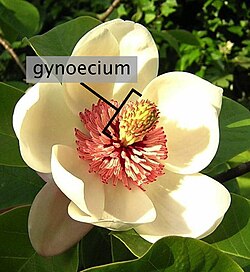
In the complex world of botany, the gynoecium serves as the heart of plant reproduction. Derived from the Ancient Greek words for "woman" and "house," the gynoecium is the innermost whorl of a flower. While it is often colloquially called the "female" part of the flower, its biological role is more nuanced: it produces megaspores, which develop into female gametophytes that ultimately produce egg cells.
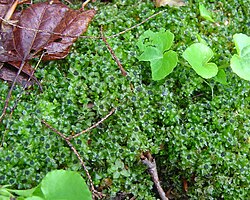
Beyond flowering plants, botanists also use the term to describe clusters of archegonia (female reproductive organs) in mosses, liverworts, and hornworts. In the context of angiosperms (flowering plants), the gynoecium is the structure responsible for producing ovules, which eventually develop into seeds and the surrounding fruit.
Key Facts
- The gynoecium is the innermost whorl of a flower.
- It consists of one or more pistils, which are made of one or more carpels.
- After fertilization, the gynoecium develops into the fruit.
- Flowers with a gynoecium but no stamens are called pistillate or carpellate.
- Flowers lacking a gynoecium are known as staminate.
Anatomy of the Pistil
A pistil is the functional unit of the gynoecium. While a gynoecium can contain multiple separate pistils, a single pistil typically comprises three distinct anatomical sections:
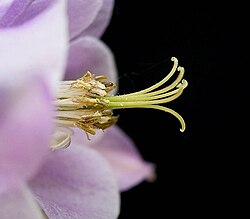
- Stigma: The apical (top) structure designed to receive pollen. It is often sticky or feathery to ensure successful pollen capture.
- Style: A pillar-like stalk that connects the stigma to the ovary. It acts as a conduit, allowing pollen tubes to grow downward. In some species, like lilies, the style is hollow; in others, like tulips, the stigma sits directly on the ovary without a distinct style.
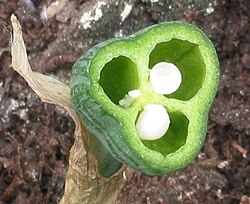
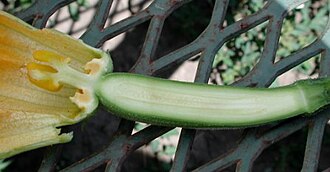
- Ovary: The enlarged basal portion of the pistil. This chamber contains the placentas—ridges of tissue that bear the ovules (integumented megasporangia).
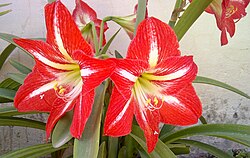
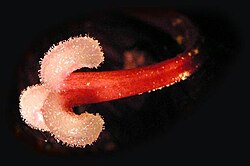
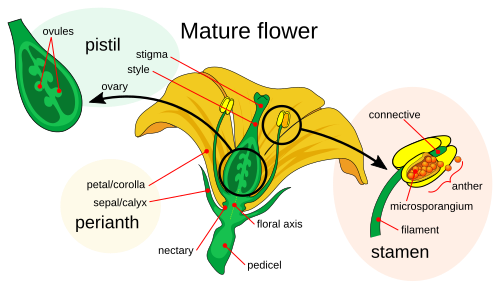
The chambers within the ovary where ovules develop are known as locules. The arrangement and attachment of these ovules are critical for plant identification and systematic research.
Understanding Carpels and Their Types
The carpel is the fundamental building block of the gynoecium. Botanically, a carpel is an appendage that encloses one or more ovules. These structures are thought to have evolved from modified, ovule-bearing leaves known as megasporophylls. Carpels vary wildly in scale, ranging from mere micrometers in some orchids to over 2.5 meters in length in certain tropical vines.
Classification of Gynoecia
Botanists classify the gynoecium based on how many carpels are present and whether they are fused:
- Monocarpous: A gynoecium consisting of a single carpel (unicarpellate).
- Apocarpous: A gynoecium with multiple, distinct, and unfused carpels.
- Syncarpous: A gynoecium where multiple carpels are fused into a single structure.

| Carpel Arrangement | Technical Term | Pistil Type | Common Examples |
|---|---|---|---|
| Single carpel | Monocarpous | Simple pistil | Avocado, Legumes |
| Multiple unfused carpels | Apocarpous | Simple pistils | Strawberry, Buttercup |
| Multiple fused carpels | Syncarpous | Compound pistil | Tulip, most common flowers |
Gynoecium Position and Placentation
The position of the gynoecium relative to other floral parts (sepals, petals, and stamens) is a vital taxonomic characteristic. This relationship is often defined by the presence or absence of a hypanthium (a floral tube).
Floral Arrangements
- Hypogynous: The gynoecium is positioned above the attachment points of other parts. These are often described as having a superior ovary.
- Epigynous: The other floral parts are attached to the hypanthium at the top of the ovary, making the ovary appear inferior. Examples include orchids and asters.
- Perigynous: An intermediate state where the hypanthium surrounds the ovary but is not fused to it, often resulting in a "half-inferior" ovary, common in the rose family.

Placentation Patterns
Placentation refers to how the ovules are attached to the ovary wall. Common patterns include:
- Parietal: Ovules are attached to the inner walls of the ovary.
- Axile: In a divided ovary, ovules are attached to the central axis where the partitions (septa) meet.
- Free Central: Ovules are attached to a central column in a single, undivided chamber.
- Basal/Apical: A single ovule is attached to either the base or the top of the locule.
Frequently Asked Questions
What is the difference between a pistil and a carpel?
A carpel is the individual reproductive unit (the modified leaf structure). A pistil is the entire structure seen in the flower, which may consist of a single carpel or several carpels fused together.
Why is the gynoecium called the "female" part?
It is called female because it gives rise to the female gametophytes. However, in strict biological terms, only the gametophytes have sexes, while the sporophytes (the plant itself) do not.
What happens to the gynoecium after fertilization?
Once fertilization occurs, the gynoecium undergoes significant changes to develop into a fruit. This fruit serves to protect the developing seeds and often assists in their dispersal.
What are staminate and pistillate flowers?
A pistillate flower is one that possesses a gynoecium but lacks stamens. Conversely, a staminate flower possesses stamens but lacks a gynoecium.
What is a syncarpous gynoecium?
A syncarpous gynoecium is one where multiple carpels have fused together to form a single, unified structure, often resulting in a compound ovary.